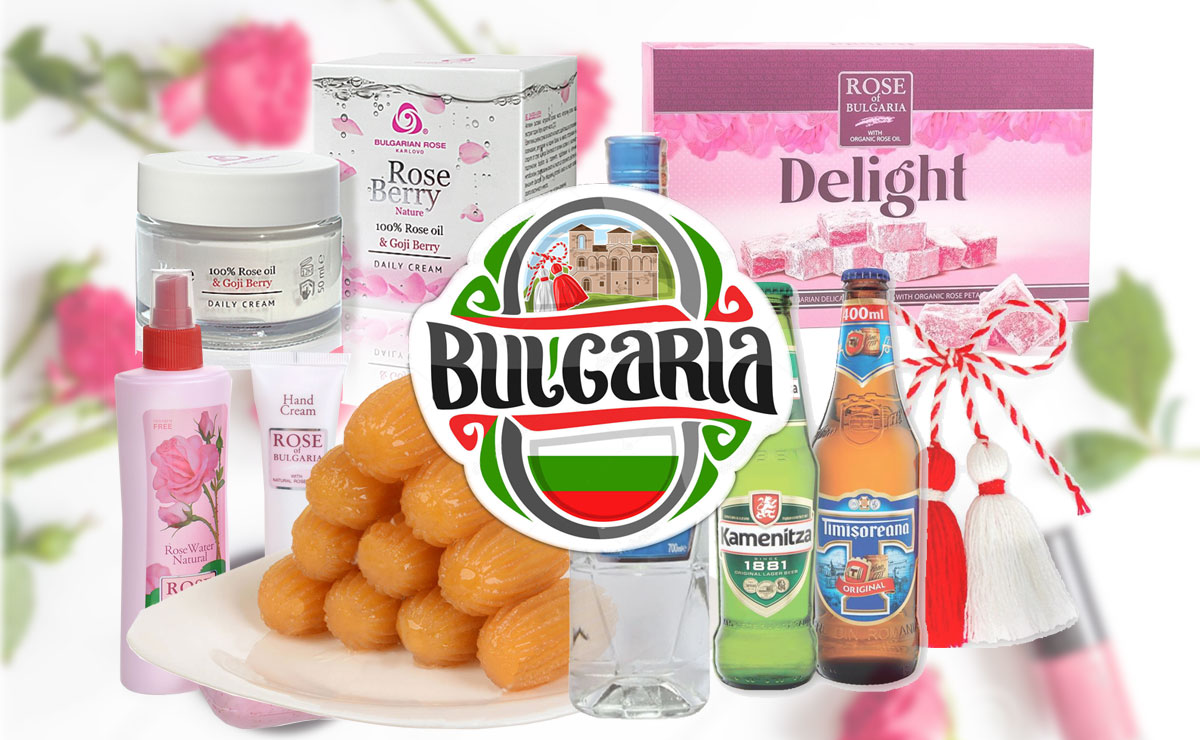
Standard magnets and keychains are unlikely to surprise anyone these days, especially when brought back from a country like Bulgaria. After all, those who have never been there want to experience the atmosphere of the country as fully as possible, while those who have visited will want to relive and remember the unforgettable impressions Bulgaria has to offer. That is why it is worth giving some thought to choosing souvenirs in this sunny country. Bring back something genuinely interesting or useful, and find something special for each friend: something tasty, traditional, or unusual.
When choosing the best gifts for your family and friends, you can look at prices in local shops and reviews from the many tourists who visit Bulgaria. Among the wide range of options, the most popular souvenirs are drinks, tableware, cosmetics, and food products.
We hope our article, complete with photos and prices for most of the ideas, will help you make your choice.
Contents:
Souvenirs for Women
Rose Cosmetics
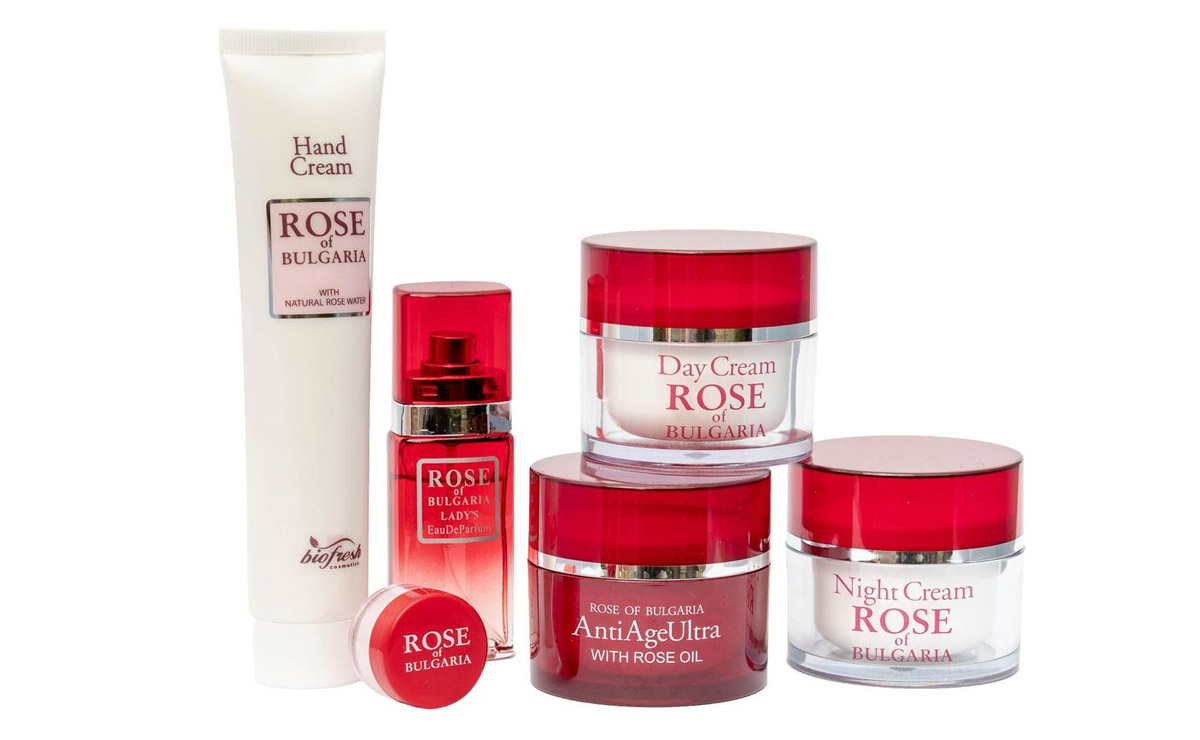
Rose is not only the first thing that comes to mind when Bulgaria is mentioned, but also one of the country’s national symbols. Rose-based ingredients are added to various cosmetic products designed to preserve youthful skin and enhance the beauty of the face and body.
Rose-based products are widely used in Bulgaria itself, so counterfeit products can sometimes be found. Experienced travelers recommend buying these special little bottles for your loved ones in dedicated cosmetics shops or pharmacies.
It is not for nothing that rose oil is called “liquid gold”, as it is used everywhere. Lip balm, soap, creams, and lotions make good gifts. They cost up to €7, while pure rose essence will cost considerably more, with the price reaching up to €13 per ml.
Lavender Aromatic Oils as an Alternative to Rose Oil
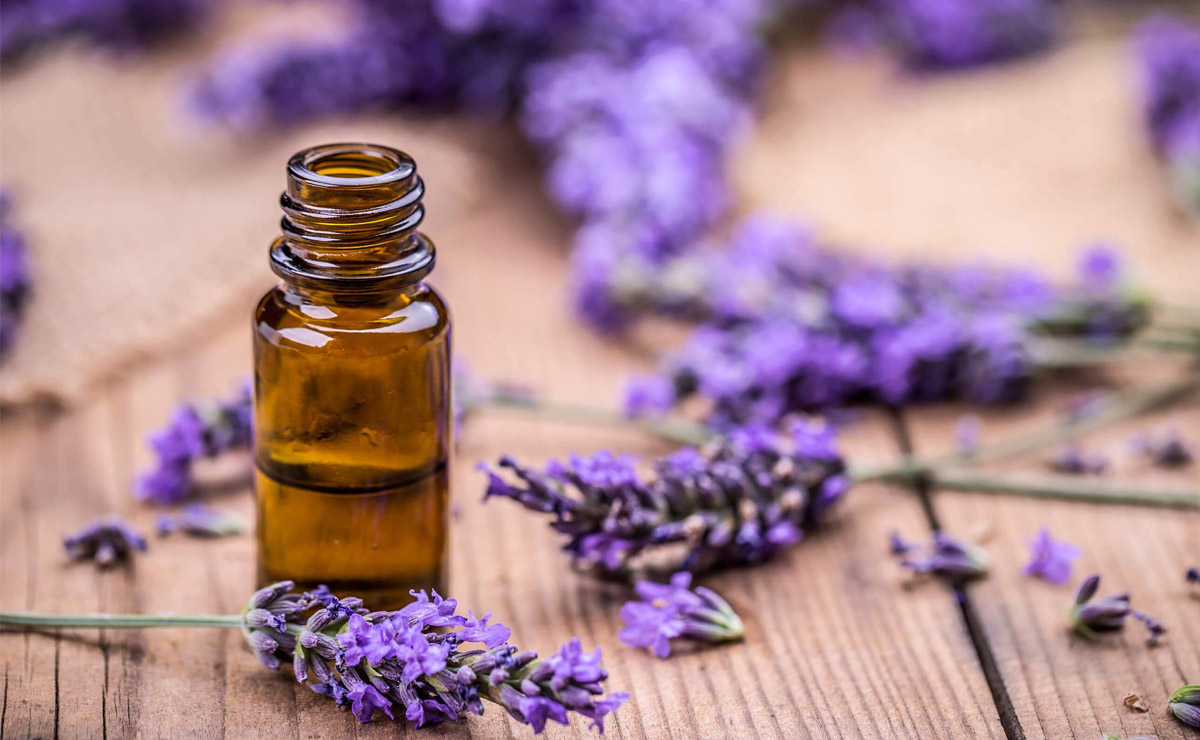
Not everyone likes the smell of roses, while fragrant lavender is considered a classic. Small sachets infused with lavender oil, scented candles, and bottles of oil can be found in many resort towns across Bulgaria. There are plenty of lavender fields here, comparable in number only to those in Provence, and prices for these products vary.
Wine
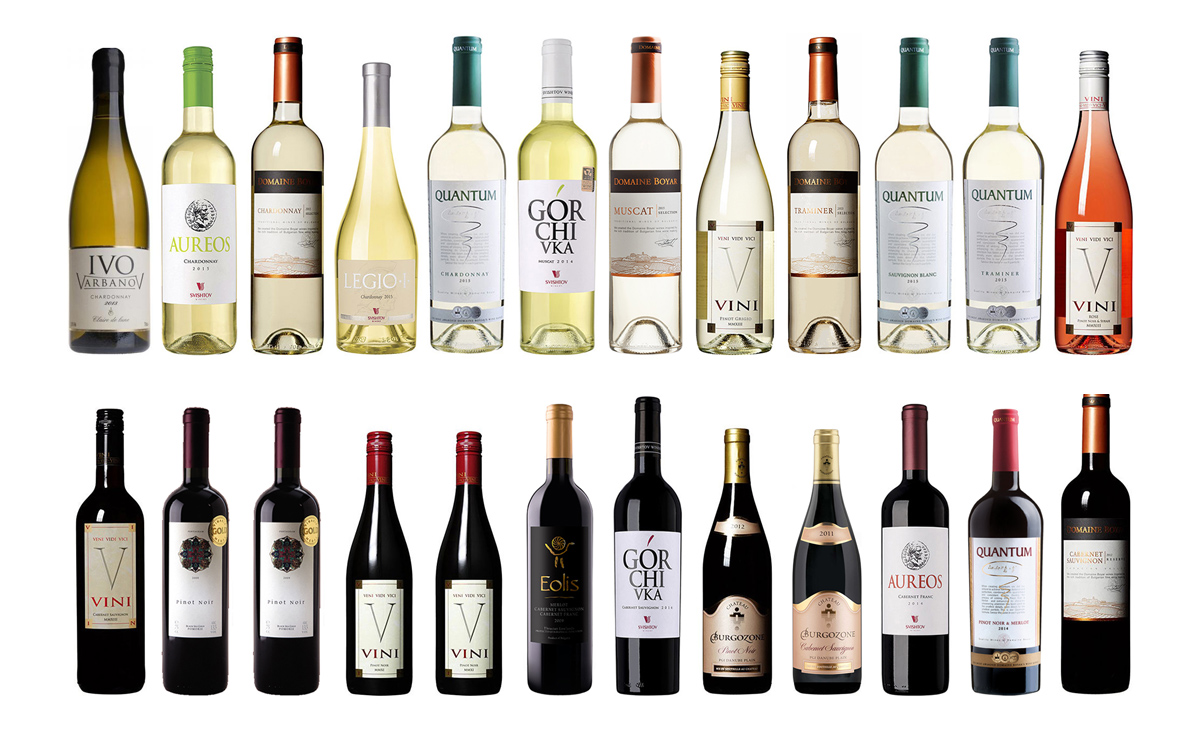
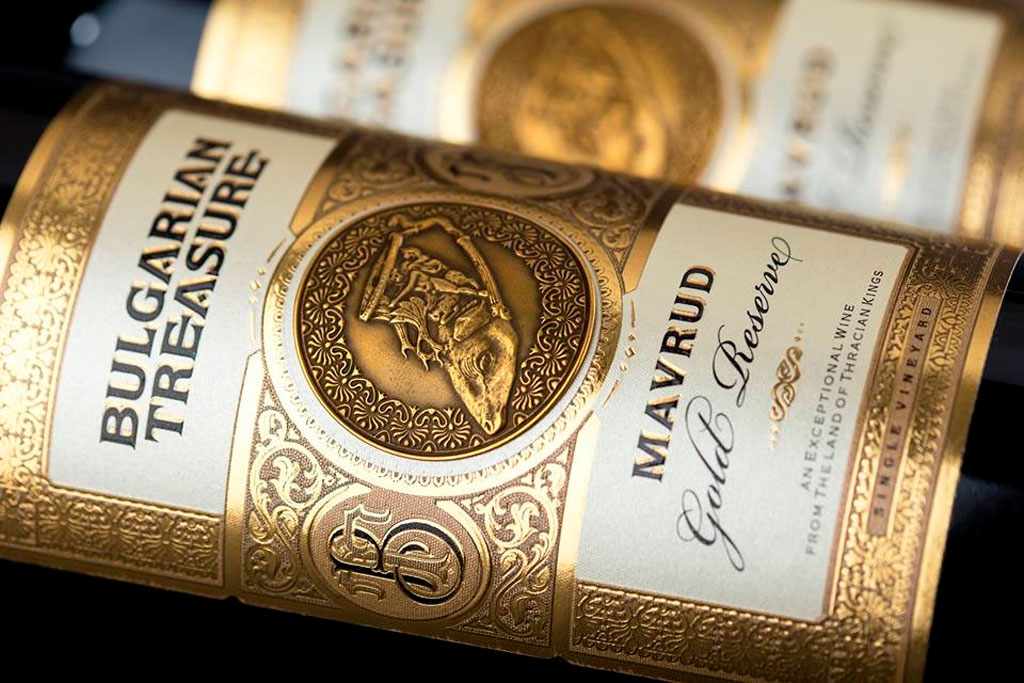
Bulgaria is one of the largest wine producers in Europe. You will find plenty of wine in shops, as well as sold by the liter. Keep in mind that Bulgarians mainly produce dry wines from both white and red grape varieties. Semi-sweet and sweet wines are unlikely to be easy to find. Prices start at €4 per bottle, but it is better to look for wines costing €6 or more. Wine sold by the liter is usually offered for tasting before purchase and costs €5–10 per liter, but it is not suitable for long-term storage.
Filigree Jewelry
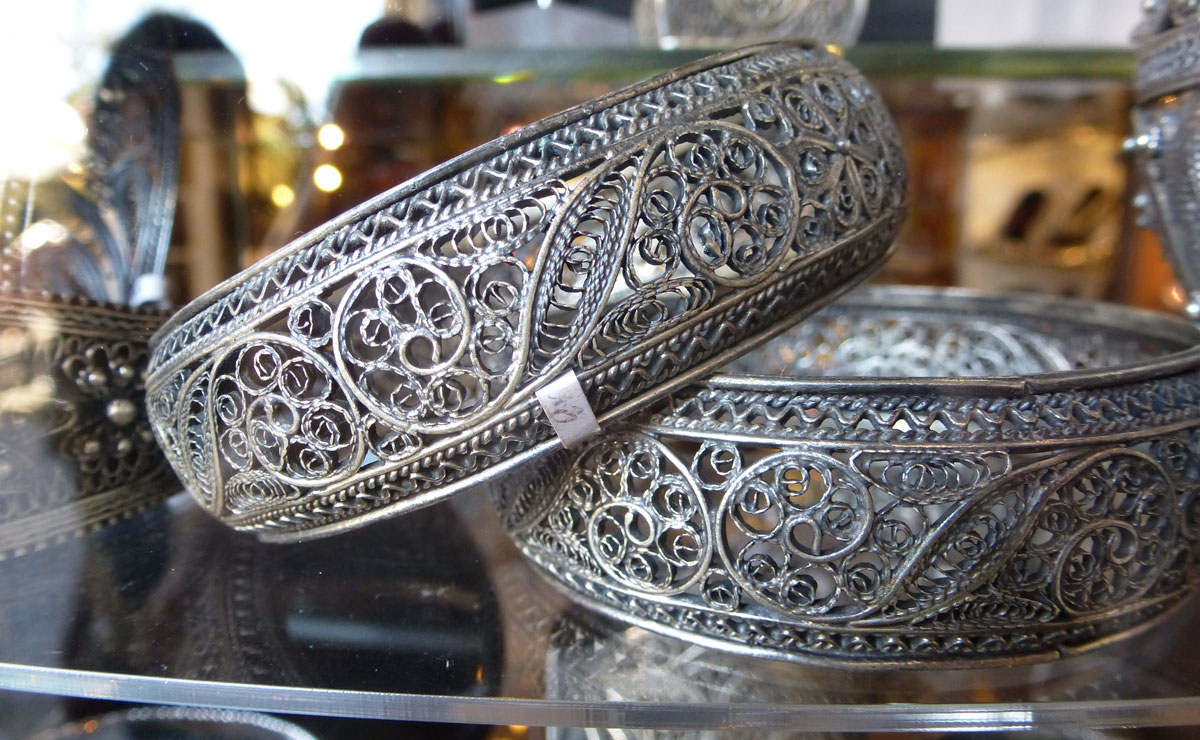
In Bulgaria, people have learned to make jewelry from almost any material. For example, copper items can make a good gift from the country. A craftsman can make a piece according to the customer’s design or from their own prepared patterns.
Silver jewelry is also a popular souvenir from this sunny country. Various earrings and pendants start at €10. They are sold in practically every resort town. Gold jewelry is also available, but to avoid counterfeits, it is better to visit specialized jewelry shops.
Souvenirs for Men
Rakia – the Main Choice of Strong Alcohol in Bulgaria
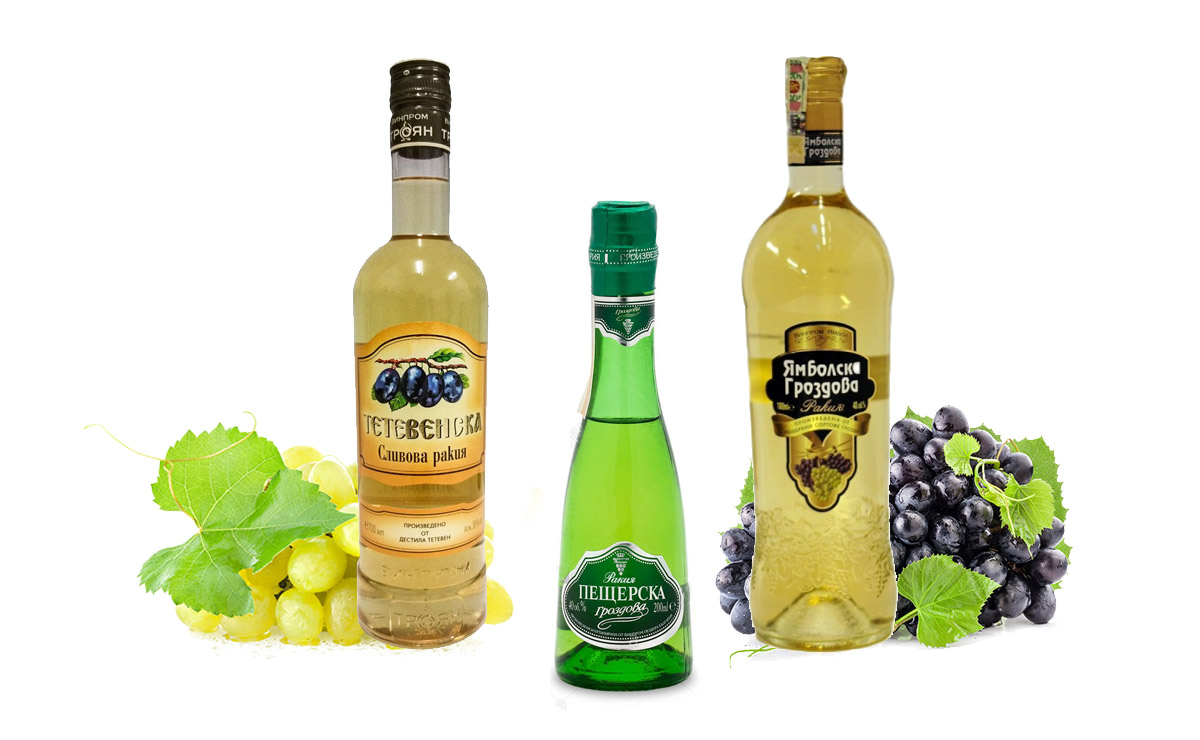
This is a strong alcoholic drink, around 40% ABV, made using a distillation method similar to brandy, while some people may find its taste reminiscent of homemade moonshine. It is made from fruit juice, most commonly grape and pear juice, as well as plums, apricots, melons, and even figs. The strength of the drink does not overpower its flavor, and rakia remains a pleasant and smooth drink.
Alcohol can be bought in local shops or directly at a distillery, where special tours with tastings are organized. This means you can try a particular variety before buying it. Such a souvenir costs around €5, while a bottle of an exclusive drink from a private shop will cost more.
Rakia Glasses
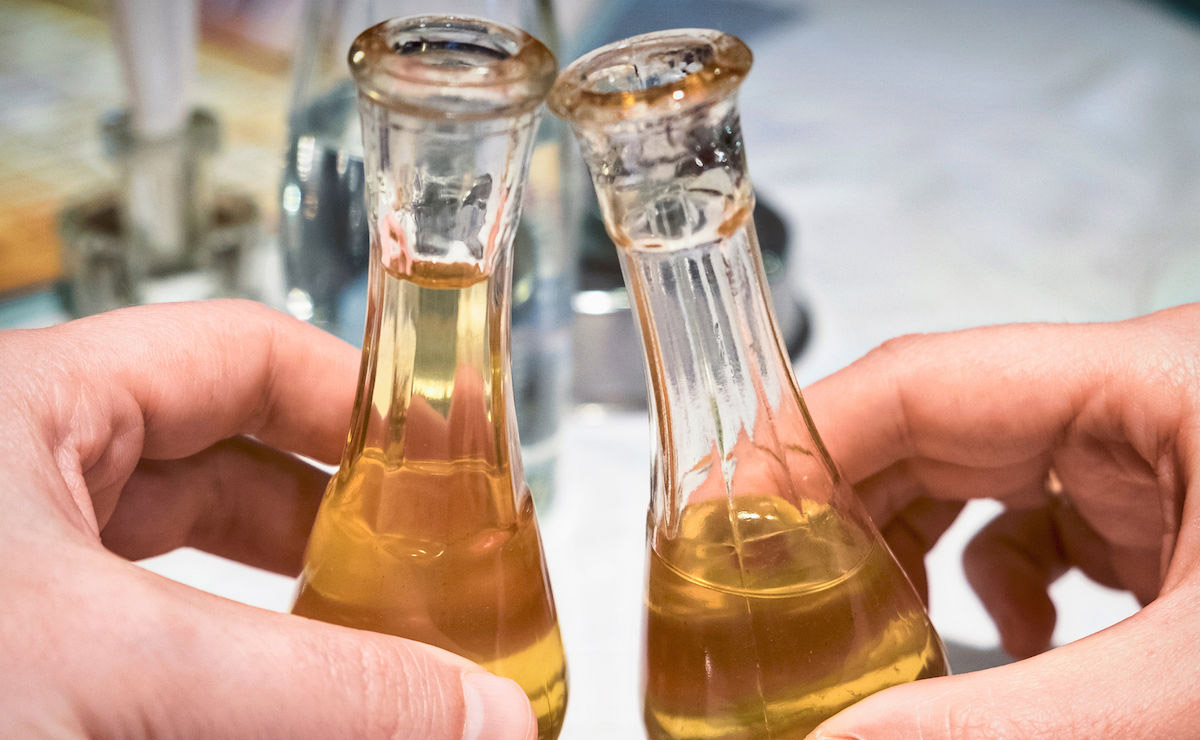
A set of small glasses can be bought either as a separate souvenir or together with a bottle of aged rakia. Traditionally, the drink is served in small glass glasses of around 50 ml, while special guests and family members are offered the drink in small ceramic vessels resembling bowls. Homemade rakia is usually stronger, reaching up to 60% ABV, and is meant to be sipped slowly.
Mastika or the Bulgarian Equivalent of Turkish Raki
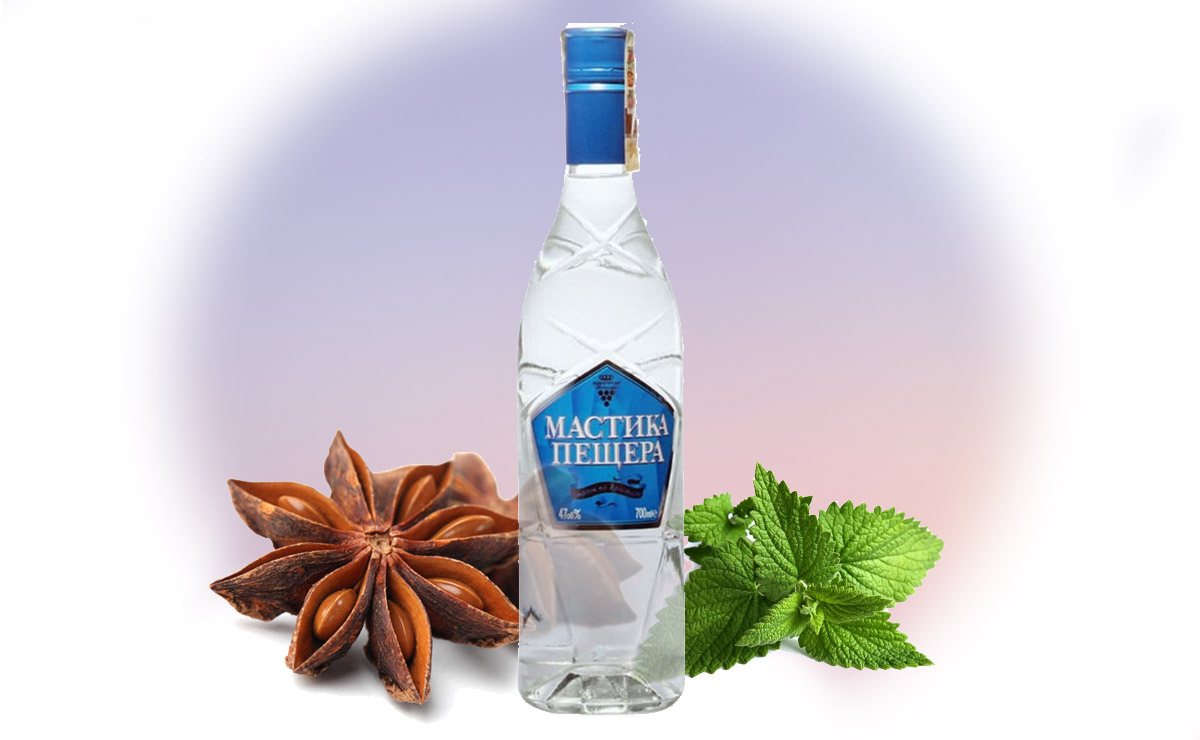
This drink is for those who prefer something stronger and hotter, with an alcohol content of up to 47%. Experienced restaurateurs and winemakers compare Mastika with raki because of its distinctive anise flavor, as this spice is the basis of the drink.
The drink is sold in large grocery stores and souvenir shops. The Mastika bottle itself is also worth a closer look and makes an excellent gift for friends. A small bottle costs around €5.
Beer
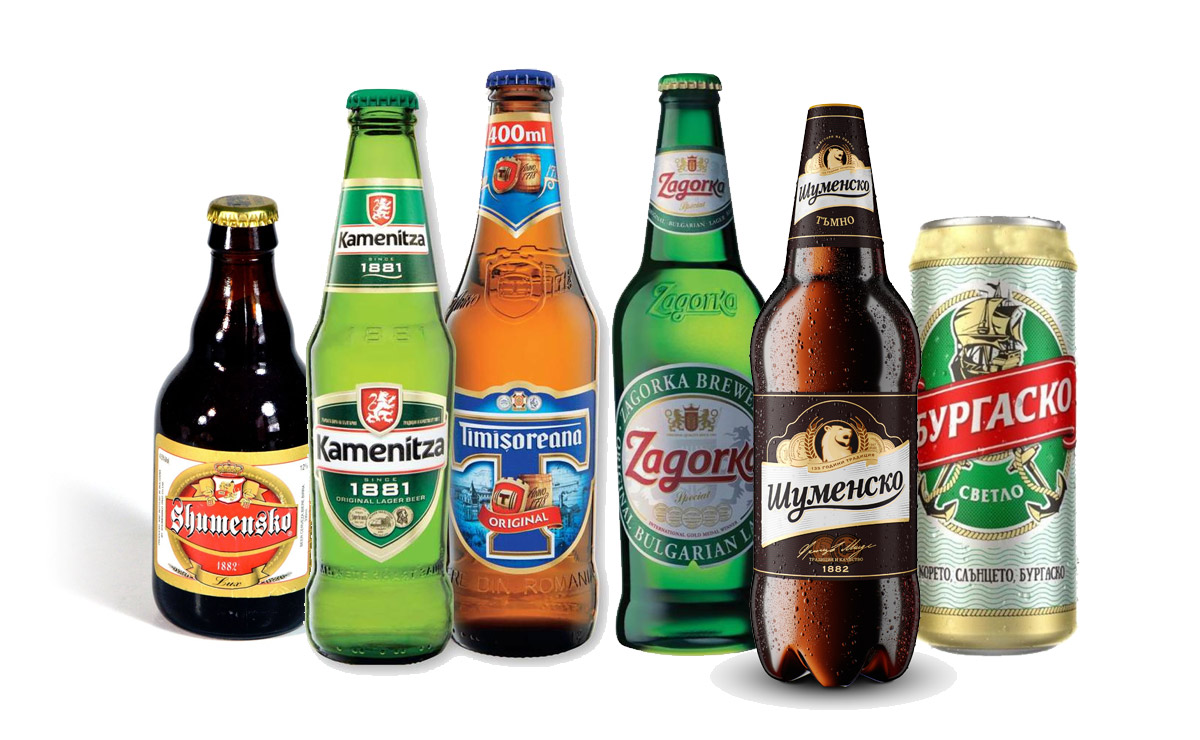
Those who prefer milder drinks may enjoy Bulgarian beer, which is in no way inferior in taste to foreign varieties. Famous beers from Burgas and beer from the city of Shumen, which has since been acquired by a well-known brand, have earned recognition from brewers around the world and received major awards in their field. In general, to choose your favorite beer, try them all – Kamenitza, Zagorka, Shumensko, Pirinsko, Burgasko, and Astika.
Most beer produced in Bulgaria is lager. A glass bottle or aluminum can of this popular drink usually costs €0.5–0.9.
Sweets for Children
Nougat or Lokum
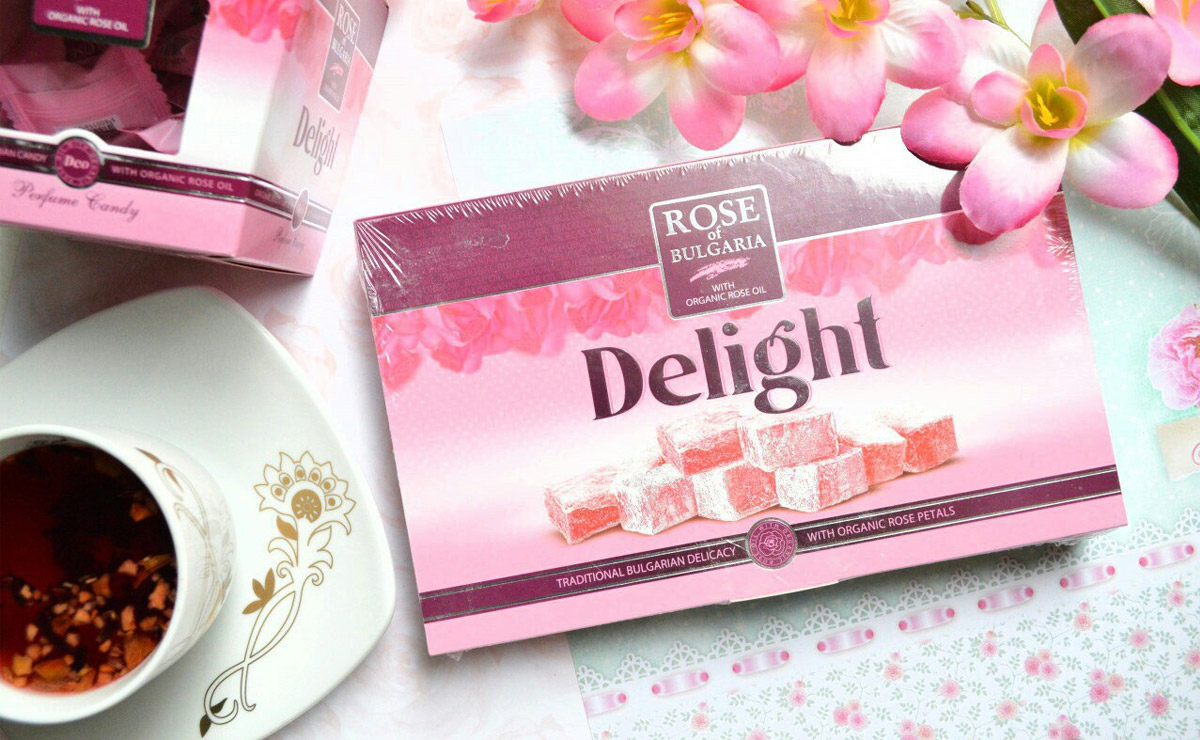
While cosmetics are traditionally brought home from abroad for women, children are better off getting plenty of sweets. Tasty treats are sold by weight at Bulgarian markets, with a piece of lokum costing around €0.5. In the land of roses, lokum and nougat often contain rose petals, and sweets with nuts are also available.
Handmade Candies
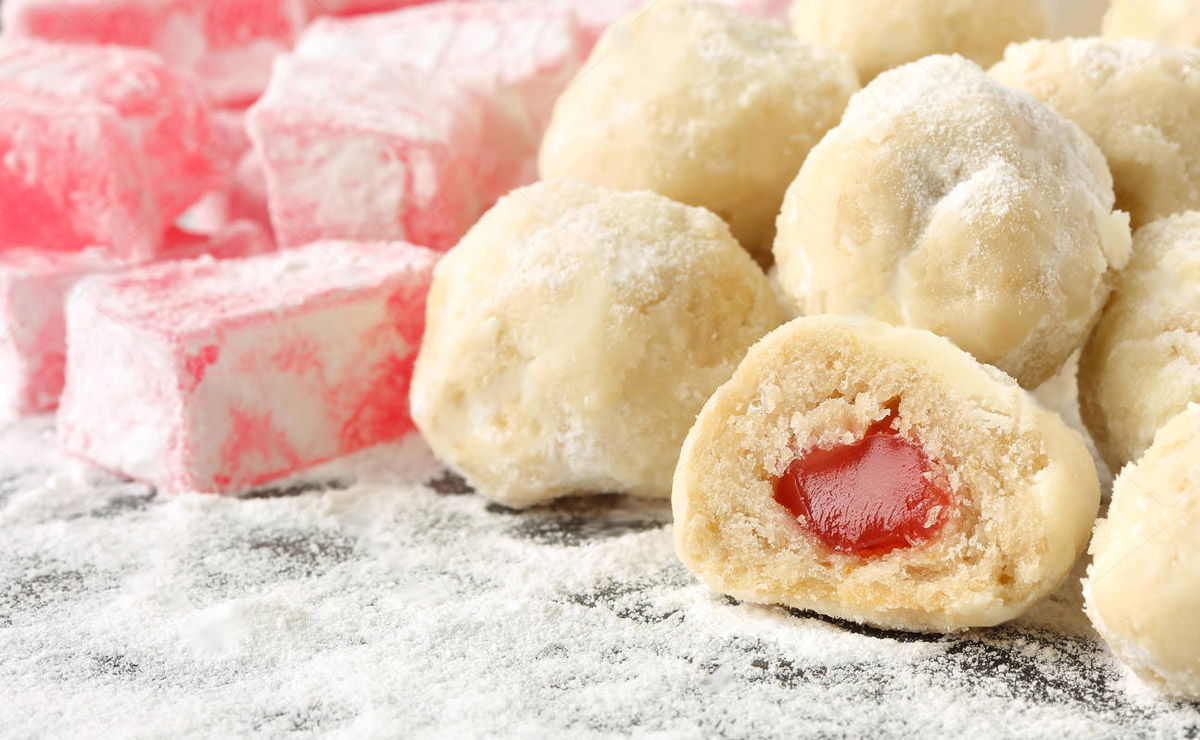
While lokum is sold by weight at markets, gift boxes of candies can often be found even in souvenir shops. The boxes contain not only candies, but also fruit pastila and halva. Bulgarian sweets are highly valued by tourists, and a gift box usually starts at around €0.5.
Rose Oil Lollipops
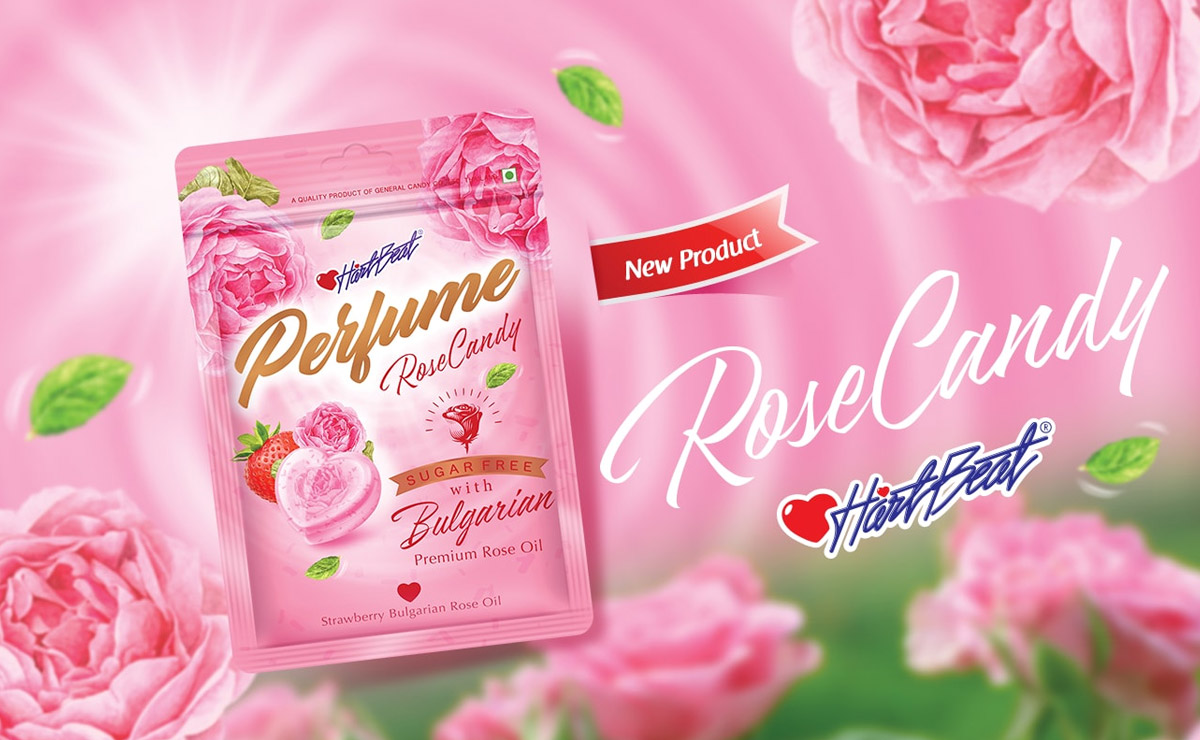
Not quite a sweet and not quite a cosmetic. Still, lollipops containing rose oil are said to be used as a deodorant. Once inside the body, they are believed to spread a pleasant aroma throughout it. Some tourists are not entirely convinced by this property of the candies, but they are happy to buy them for their loved ones as an unusual souvenir.
One hundred grams of this product costs around €1, and it is better to buy these lollipops in cosmetics shops.
Martenitsi
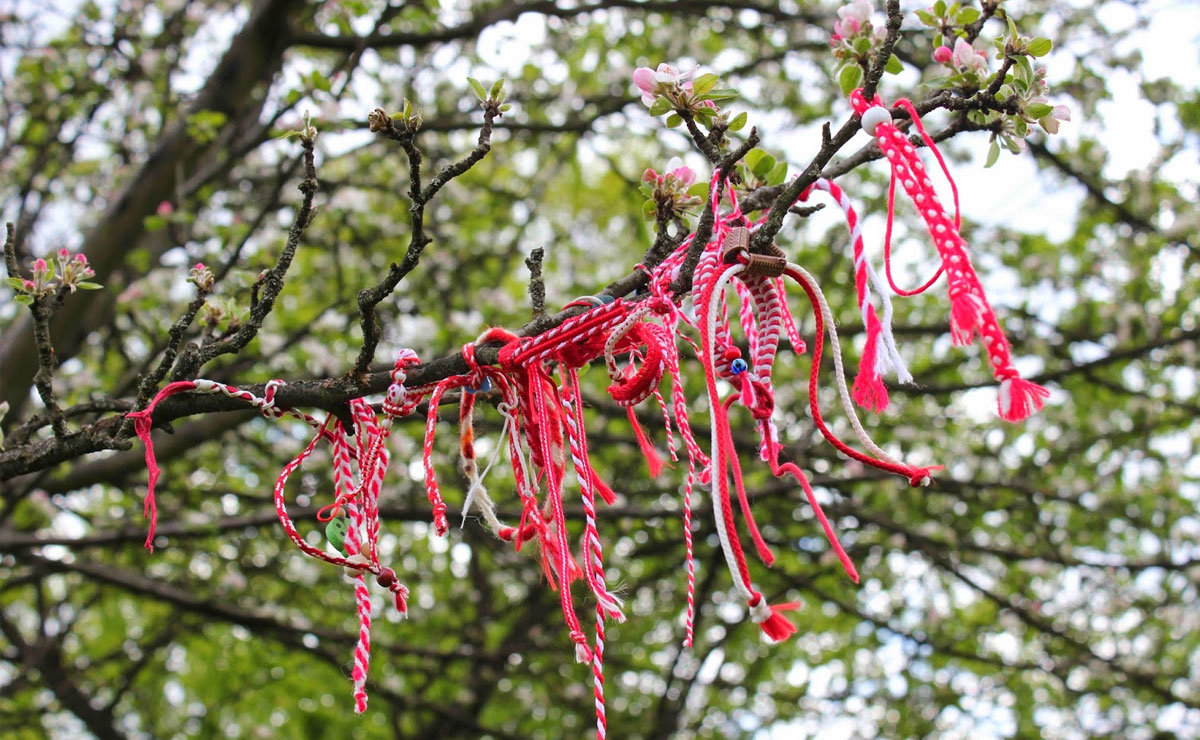
They make an excellent souvenir for children. These are special amulets in the form of small martenitsa dolls. Local legends are also associated with these dolls. It is believed that wearing the amulet at the beginning of March helps protect against evil and illness. After some time, the martenitsi are removed and tied to the branches of flowering trees.
Original Edible Souvenirs
Sharena Sol Spice Blend
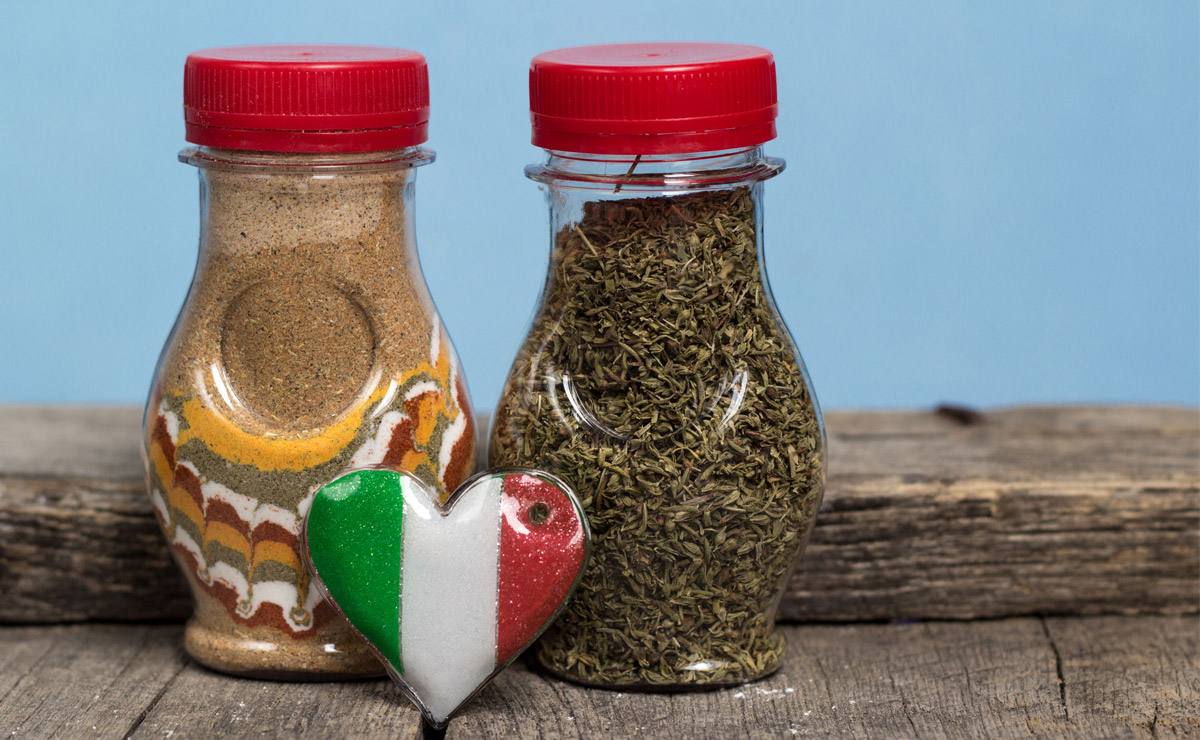
The name of this seasoning translates as “colorful salt”. It is a type of Bulgarian spice blend made from salt with the addition of paprika, thyme, savory, and fenugreek. For gifts, the spice blend is packaged in attractive jars and sold in souvenir shops as a traditional Bulgarian food product. For yourself, buy it in packets at a market or supermarket. This aromatic seasoning can be used with all kinds of dishes instead of the usual salt and pepper.
Sirene Cheese
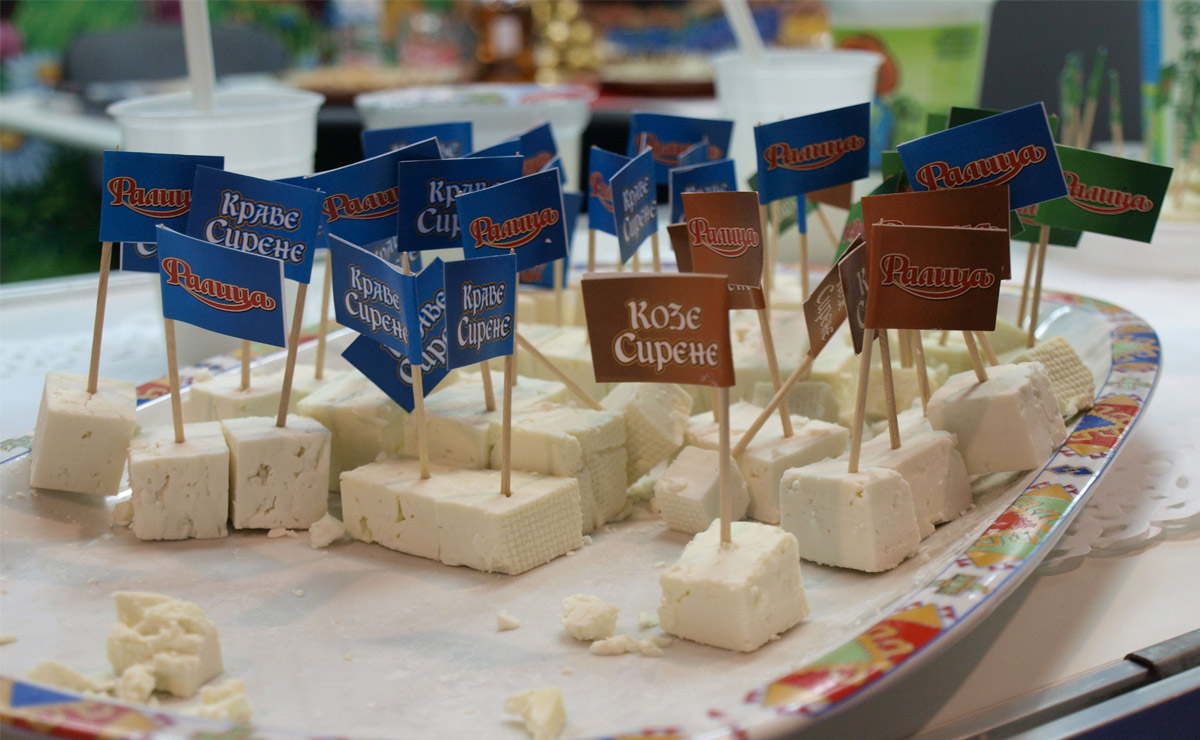
A type of brined cheese made from goat’s milk using special techniques. It has a salty yet pleasant and unusual taste. The freshest product is best bought at a market. However, under local regulations, this type of cheese cannot be taken out of the country, so people usually buy vacuum-packed cheese or tins of it in supermarkets for family and friends. The price is €4–8 per kilogram.
Tulumbichki
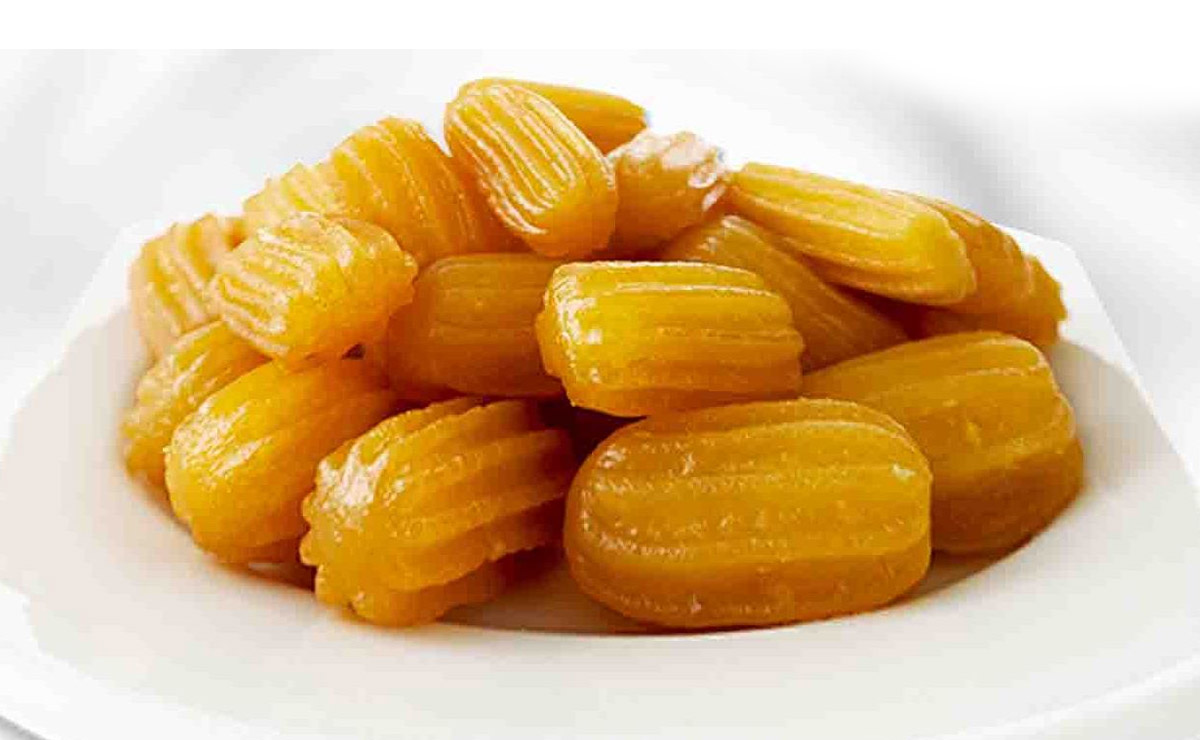
To experience the delights of Bulgarian cuisine, buy your loved ones one of the country’s traditional desserts – tulumbichki. They are tubes of dough soaked in syrup. Very sweet and delicious, almost cloying. This dessert is mainly prepared in restaurants, but it can also be found from home cooks. The simplest version of tulumbichki can be found in the refrigerated dessert sections of supermarkets.
Rose Petal Jam
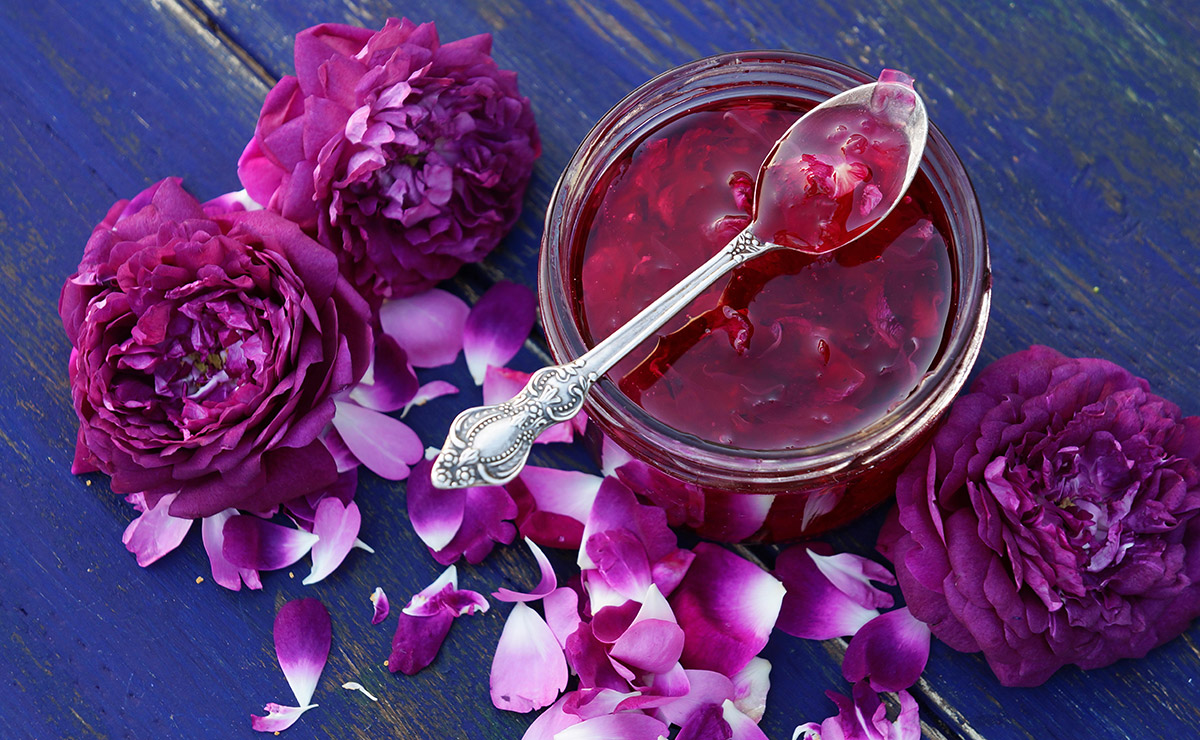
This product should not be considered merely a sweet treat, as the jam is also sometimes used for medicinal purposes, for example, for colds or to help with a cough. A souvenir jar of rose jam costs around €3. To save money, it is better to buy it in supermarkets. Rose jam is produced in large quantities in Bulgaria, as befits the country’s main symbol, so shops often offer it at a discount. For gourmets, try serving rose jam with cheese for an unusual combination of flavors.
Lukanka Sausage
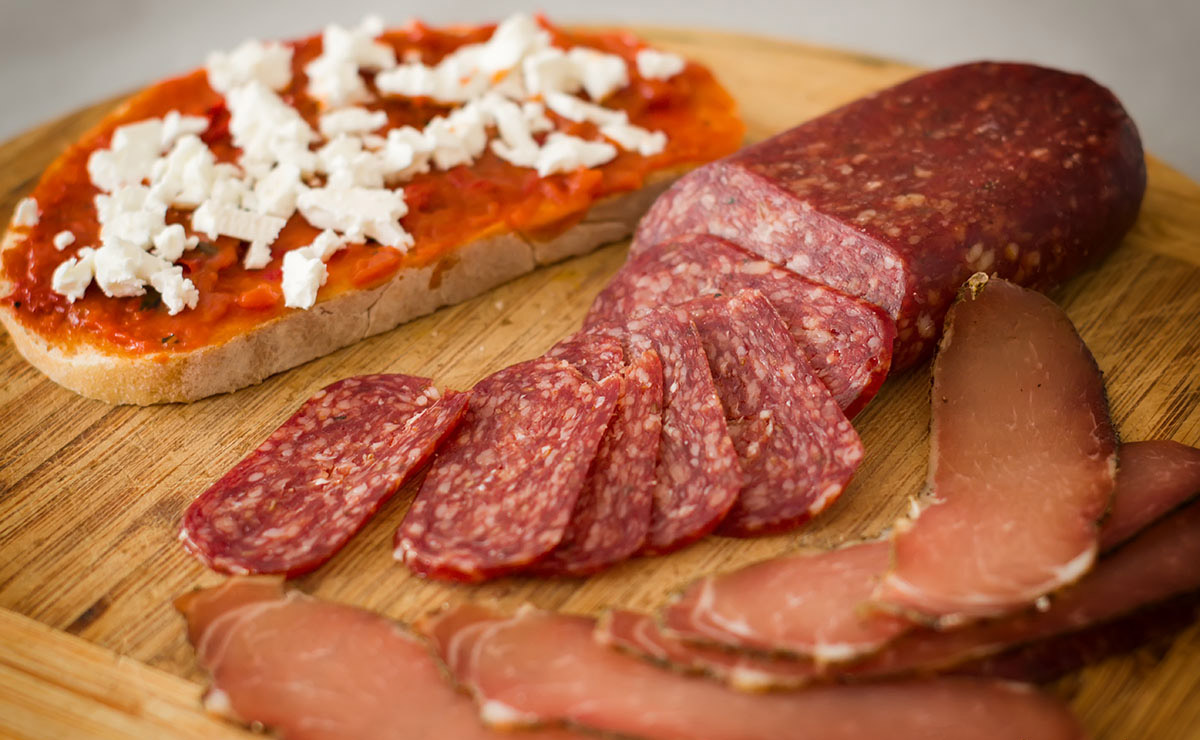
Since all kinds of spices are particularly common in Bulgaria, they are added to almost everything, and cured sausages are no exception. This recipe gives the sausage a spicy and aromatic flavor. Lukanka is one of the most common and beloved types of sausage in Bulgaria. Its distinctive feature is the noble mold that develops on the surface. The recipe varies considerably from one Bulgarian city to another. Some producers use only pork, while others add beef.
More Gift Ideas
Tableware
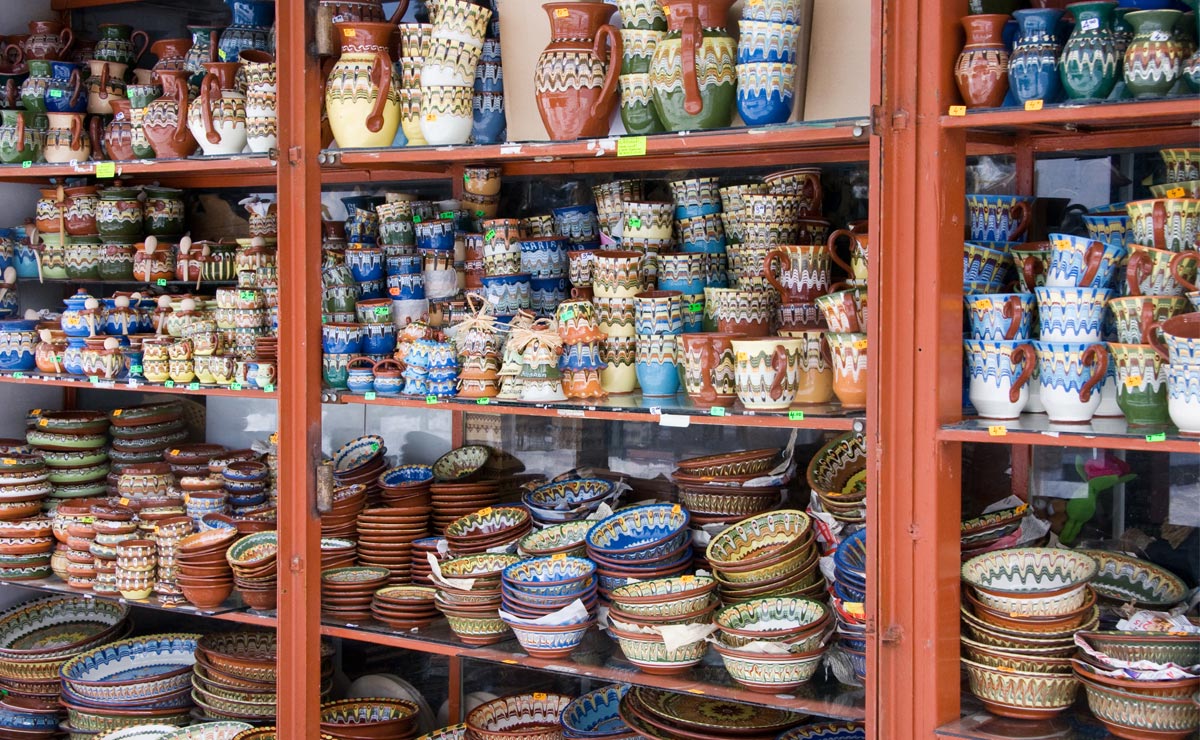
Traditional Bulgarian cuisine offers souvenirs other than food products. You can also bring home tableware, such as a ceramic frying pan called “Sach” or clay vessels made from Troyan pottery. Ceramic pots for the oven are very sturdy, with thick walls, which makes dishes prepared in them even tastier. Such items cost up to €100, but tableware of this quality is genuinely worth the price.
Traditional Clothing
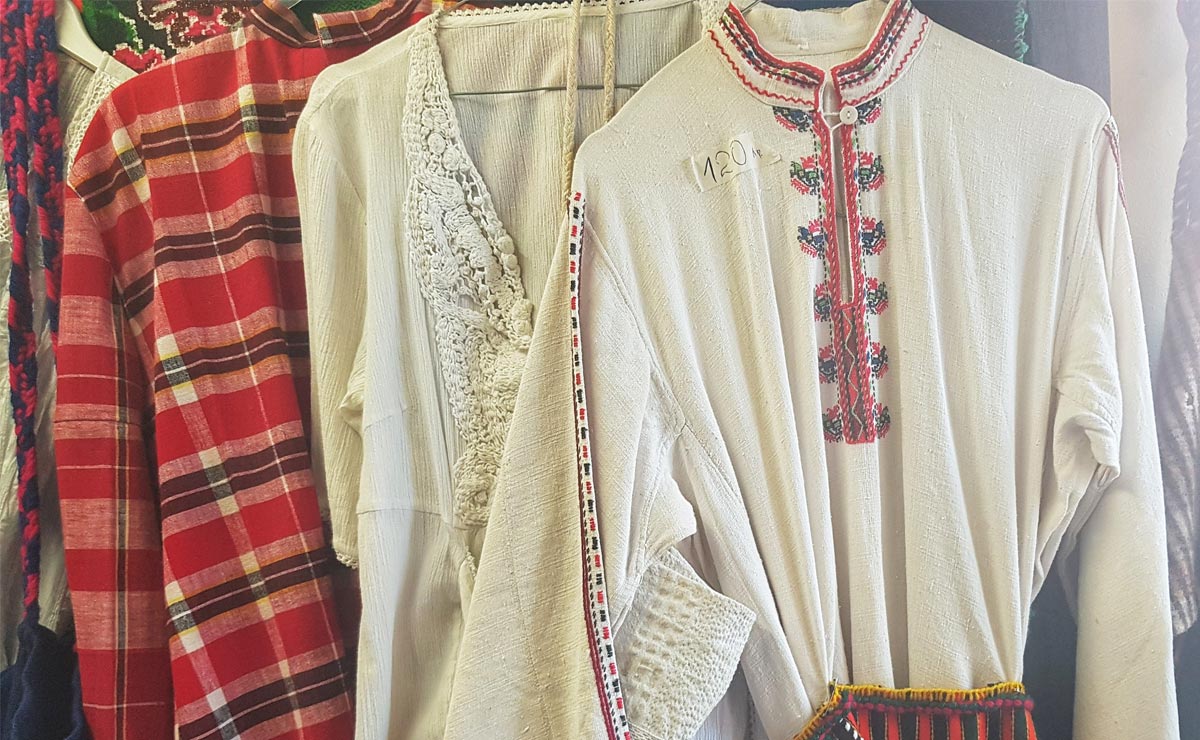
To capture the Bulgarian spirit and the full richness of local traditions, you can buy a sumkan as a gift, a traditional embroidered dress, or a saya, consisting of a skirt and blouse for women. For men, Bulgaria offers chernodreshna and belodreshna, traditional costumes distinguished by color, as well as footwear called “tsarvuli”.
In Bulgaria, embroidery is used not only on clothing but also on bags. A traditional torba makes a good gift for a woman. Cosmetic bags, phone cases, and key holders with beautiful embroidered patterns are also worth considering. Traditional clothing is not a cheap souvenir. Costumes start at €150 and can sometimes cost more than €500.
Textiles (Tablecloths, Placemats)
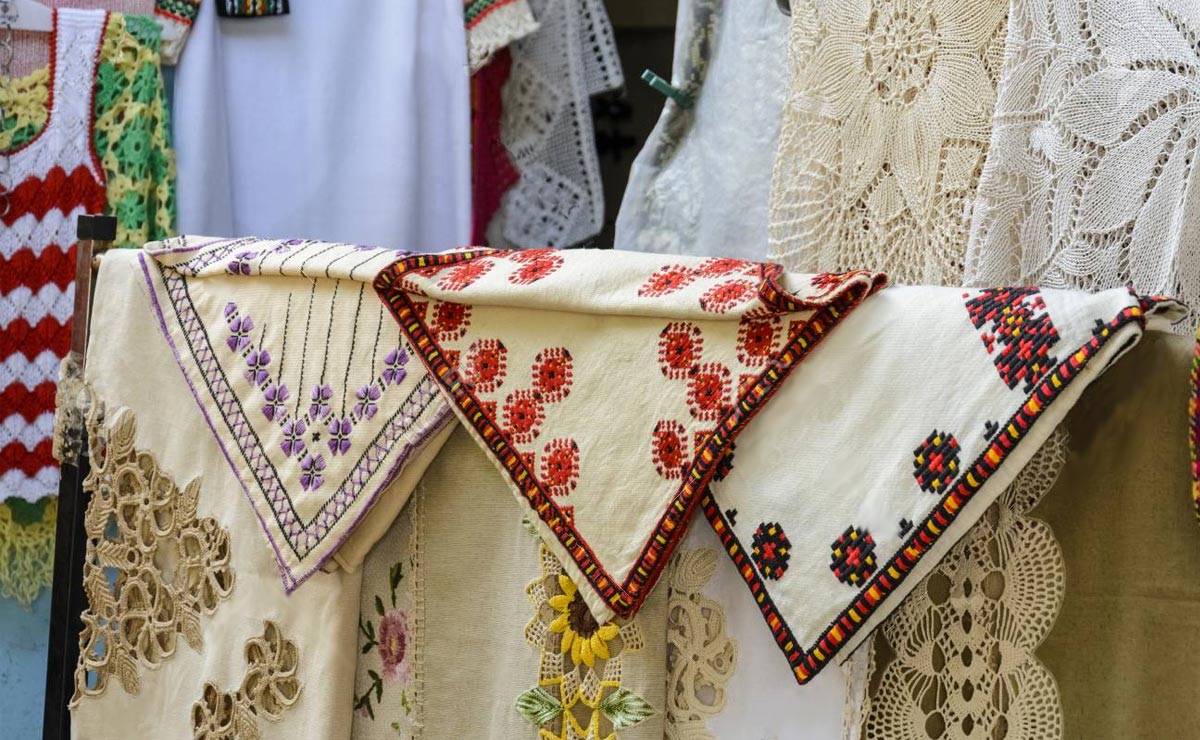
Souvenirs are often bought not only for family and friends, but also for the home. In Bulgaria, embroidered towels and tablecloths are commonly used for this purpose. They are mainly made of linen. You can find such products from local artisans or at markets. Souvenir shops in most resort towns also offer a wide selection. Such a gift for country-style interiors or lovers of old-fashioned things will cost more than €8.
Wooden Kitchenware
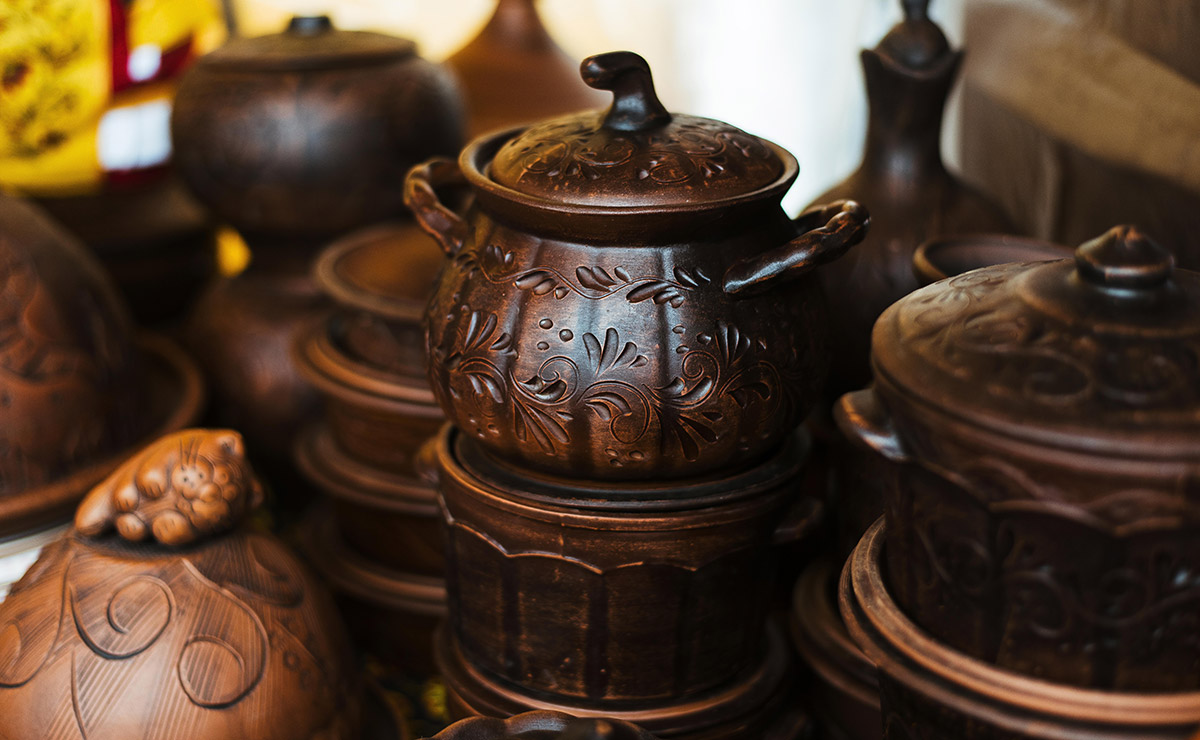
Ceramics are not the only popular traditional items in Bulgaria. Wooden dishes and kitchen utensils are also widely available. These can include shallow bowls for serving meat or corn and peppers, as well as specialized small barrels for wine. Wooden tableware is also sold in sets, for example with glasses or a tray. You can also find wooden beer jugs and plates of various shapes for sweets or fruit.
Every item has a distinctive pattern created using a special technique. The design is carved, then burned into the wood and finished by hand. It is better to buy such gifts from local artisans rather than factories, as this will usually cost less. These craftsmen mainly live in villages, so you will have to travel a little farther from the capital and resort towns.
Hand-Painted Icons
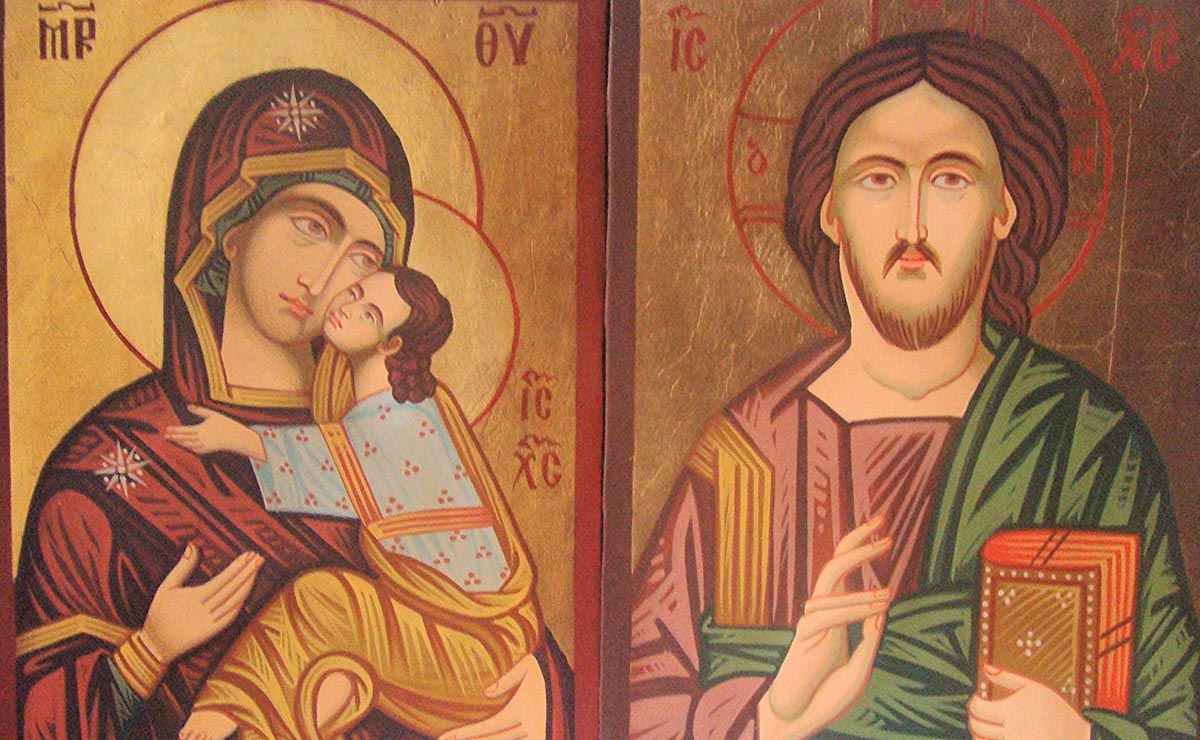
These are not simply religious gifts but genuine works of art, as each icon is created by craftsmen using natural materials. Icons are painted on simple wooden boards made of cypress or linden. A base layer of glue, alabaster, or plaster is then applied. Only after that does the artist begin painting the image. The face is painted using only natural pigments, for example from egg yolk. Such gifts are not cheap, costing from 50 to 250 leva. A less expensive option is a printed icon in a wooden frame.
Paintings and Portraits
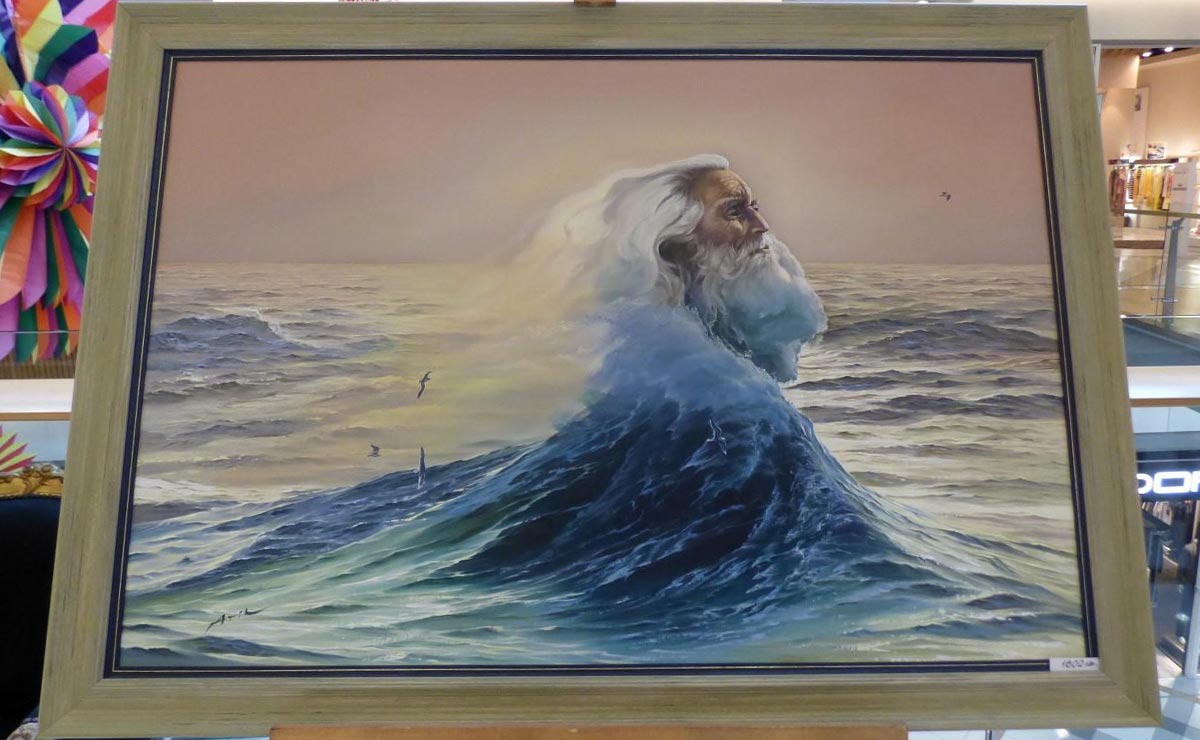
Paintings and portraits are best reserved for people who are especially close to you, as these gifts are not cheap. Bulgarian paintings are created using various techniques, including ceramic paintings depicting bright red poppies or sunflowers. As for traditional painting, such a gift will certainly be personal. Local artists create genuine masterpieces featuring Bulgarian landscapes.
Along the waterfronts of Bulgarian resorts, you will meet excellent artists. They can paint either from life or from a photograph that you leave with them during the day and collect as a finished portrait in the evening.
Magnets, Keychains, Postcards, Stamps
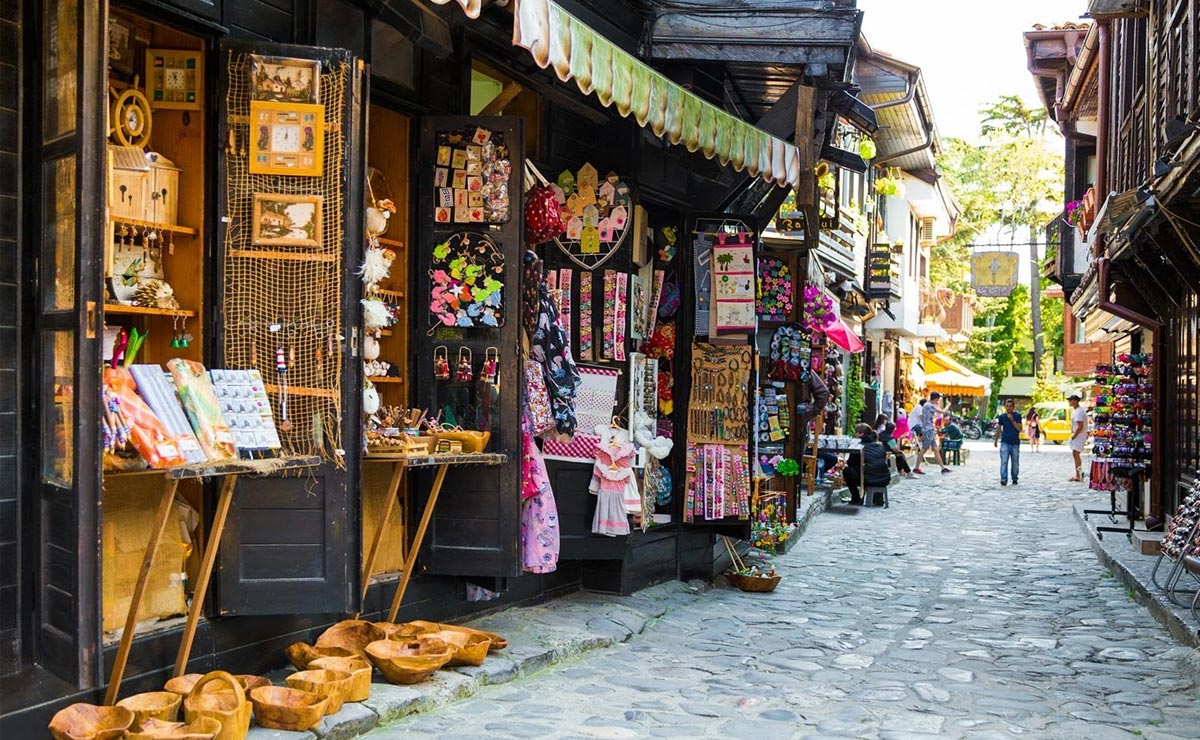
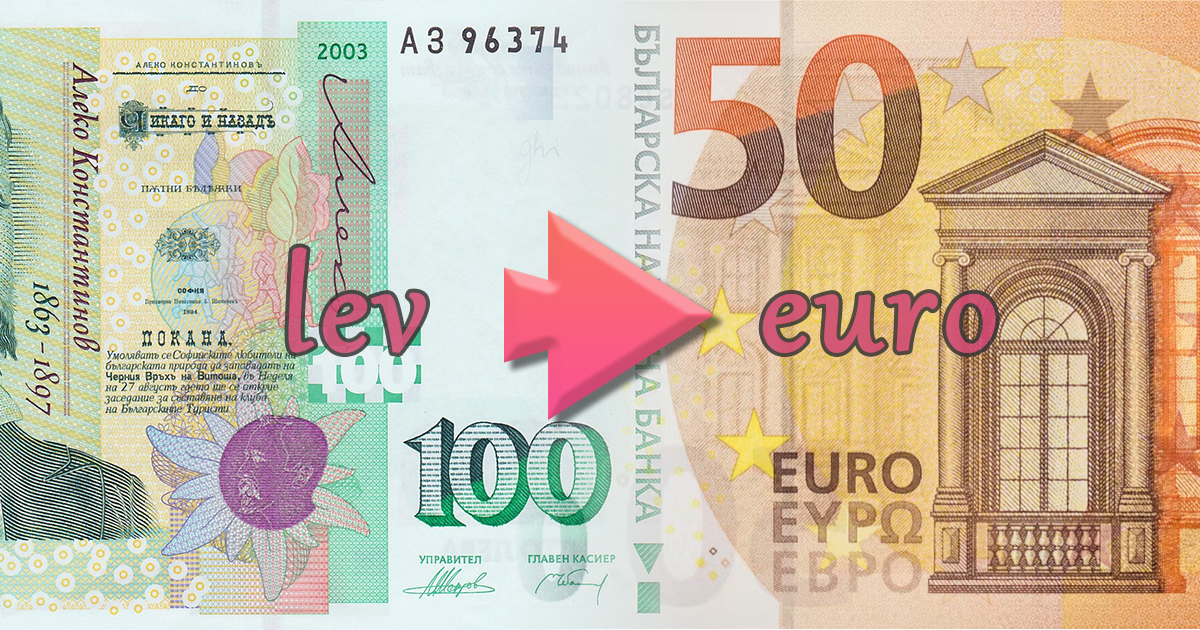
Magnets, plates, and keychains are sold everywhere in tourist areas of Bulgaria. Postcards, stamps, and mugs for colleagues and acquaintances are available in souvenir shops from one lev. Such souvenirs can be made of ceramic or leather and feature the country’s main attractions, names, Bulgarian sayings, and landscapes. Beach towels can also be included in this category of gifts, since Bulgaria is, after all, a sunny coastal country and the swimming season is very much alive and well.
Bulgarian Medicines and Teas
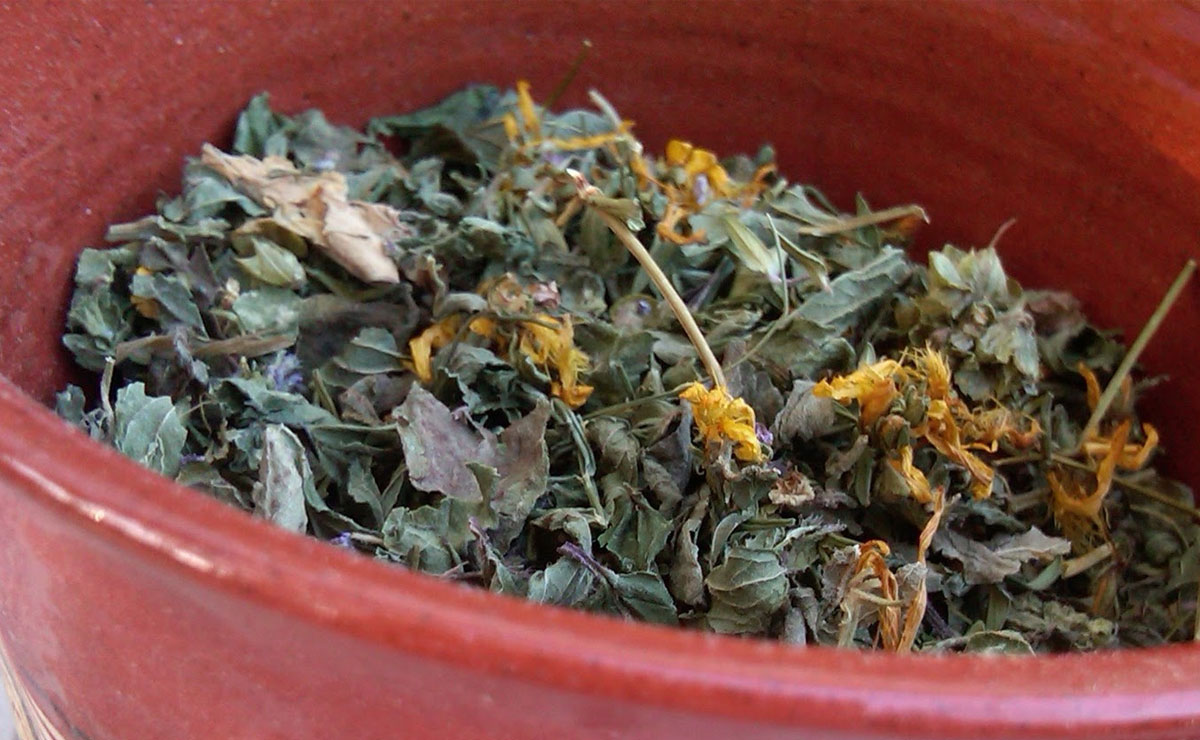
The soil in Bulgaria is fertile, and a large number of medicinal herbs grow here. They are later processed into herbal teas. You can buy these herbal drinks in almost any souvenir shop.
Locals call these teas “Bilkov” teas. They drink them not only to quench their thirst but also for medicinal purposes. These drinks have a pleasant taste, making them a good alternative to the usual black tea.
Recommendations
For those traveling around Bulgaria for an extended period and having more time to choose gifts for family and friends, there are several more options. Honey, traditional masks, food products, and handmade items are created by different artisans and vary from one region to another. If you shop in large shopping centers, you will only save money in August, when the sales season begins.
Buying souvenirs at the airport, in a last-minute attempt to catch the departing train, carries a high risk of paying far more than the actual value of authentic products.
At the same time, you should be aware of the rules for taking souvenirs out of the country. For example, exporting icons of artistic value to other countries can be quite difficult. It is better to clarify all the details in advance so that you can bring home the very best for your loved ones with pleasure and without unnecessary problems.
Where to Buy Souvenirs
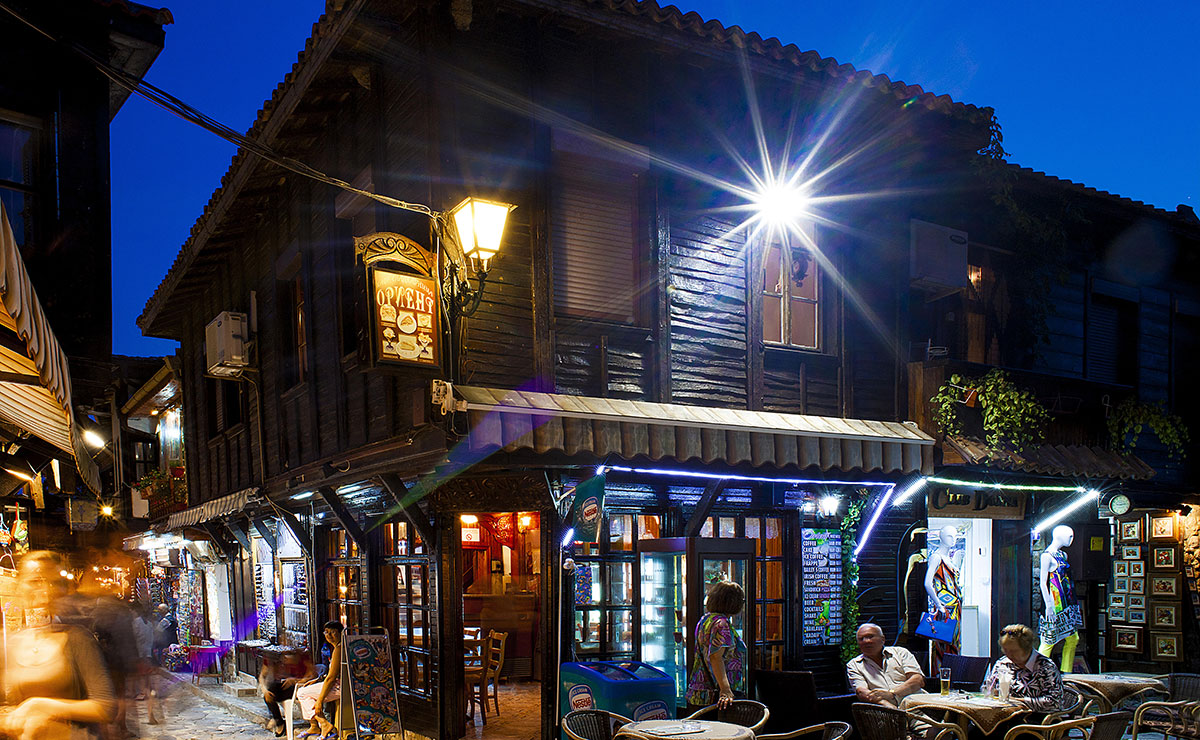
Bulgaria is fully geared toward tourists in summer, so you should not have any particular difficulty finding most of the souvenirs described above. Keep in mind that the highest prices, apart from airports, are found along the waterfronts of resort towns. The farther you go from the sea, the lower the prices. This applies not only to souvenir shops but also to supermarkets.
The largest selection of traditional souvenirs can be found in the old towns of Nessebar and Sozopol, on the central streets of Sofia, Burgas, Varna, and other major cities.
Food products, especially those that need to be refrigerated, are best bought in supermarkets, of which there are plenty at Bulgaria’s resorts. Look out for supermarkets such as Lidl, Zora, and Janet.
Short Video Overview of Souvenirs from Bulgaria