
A trip from Bulgaria to North Macedonia is a good option for a weekend getaway or a short Balkan itinerary. You can travel from Sofia to Skopje by bus or car. Ohrid is better suited to a longer trip, as it lies in another part of the country and takes additional time to reach. If you wish, you can also visit other countries from Bulgaria.
The main questions when planning your trip are how many days to set aside and how to divide your time between the cities. A weekend is enough for Skopje alone, while 3-4 days is a better choice if you want to visit both Skopje and Ohrid. Below, you’ll find practical information about transport, ticket prices, rail connections, and day trips.
Contents
- How to Get from Bulgaria to North Macedonia
- Sofia to Skopje Bus: Timetable and Prices
- Is There a Train from Sofia to Skopje?
- Sofia to Skopje by Car
- Can You Visit Skopje on a Day Trip?
- How to Get from Sofia to Ohrid
- Skopje or Ohrid: Which Should You Choose?
- Documents and Border Crossing
- A 2-4 Day Itinerary in North Macedonia
- All Places Mentioned in the Article on One Map
How to Get from Bulgaria to North Macedonia
The main route from Bulgaria to Skopje, the capital of North Macedonia, runs through Sofia. If you’re travelling independently, you can take an intercity bus or drive. There is currently no direct rail connection between the two capitals.
The best transport option depends on how long you plan to stay. Taking the bus means you don’t have to drive or arrange vehicle documents for crossing the border. Having your own car or renting one gives you more flexibility, especially if you want to visit Ohrid, Matka Canyon, or smaller towns along the way as well as Skopje.
- Bus: A practical option for travelling from Sofia to Skopje without a car. One-way tickets start at around €26.
- Car: Convenient for a trip with several stops, but you’ll need to check the rules for taking the vehicle abroad and crossing the border.
- Organised tour: A practical way to explore Skopje in one day without arranging transport yourself.
- Train: There is no direct train service between Sofia and Skopje at present.
If you’re only planning to visit the capital, there’s no need to create a complicated itinerary covering the whole country. Decide how long you have first, then consider whether Ohrid is worth adding to the trip.
Sofia to Skopje Bus: Timetable and Prices



The bus is the main option for independent travel from Sofia to Skopje. Services depart from Sofia Central Bus Station. The station’s timetable lists operators including Kaleia and Matpu-96.
The Sofia Central Bus Station timetable lists the following departures:
Operator |
Departure from Sofia |
One-way fare |
|---|---|---|
Kaleia |
07:00 |
€25.50 |
Kaleia |
17:30 |
€25.50 |
Matpu-96 |
16:00 |
€25.56 |
Journey times depend on the service and how long border control takes. Allow around 5-6 hours rather than relying on a fixed arrival time.
A one-way ticket costs about €26, making a return journey approximately €51-52 per person. These figures are indicative standard fares and do not include additional expenses or possible price changes.
Buses from Sofia to Skopje depart from Sofia Central Bus Station. Make sure you select the correct departure point when planning your journey, as the city has separate transport facilities. You can buy tickets through the operator’s website or check service availability on the Sofia Central Bus Station website.
Is There a Train from Sofia to Skopje?
There is currently no direct passenger train between Sofia and Skopje. Rail connectivity between Bulgaria and North Macedonia remains an infrastructure project. In March 2026, Bulgaria’s Ministry of Transport announced plans to complete the cross-border railway connection by 2030.
If a rail service becomes available, it could offer an alternative to travelling by road. For now, however, you cannot plan your journey around a direct train timetable.
Sofia to Skopje by Car
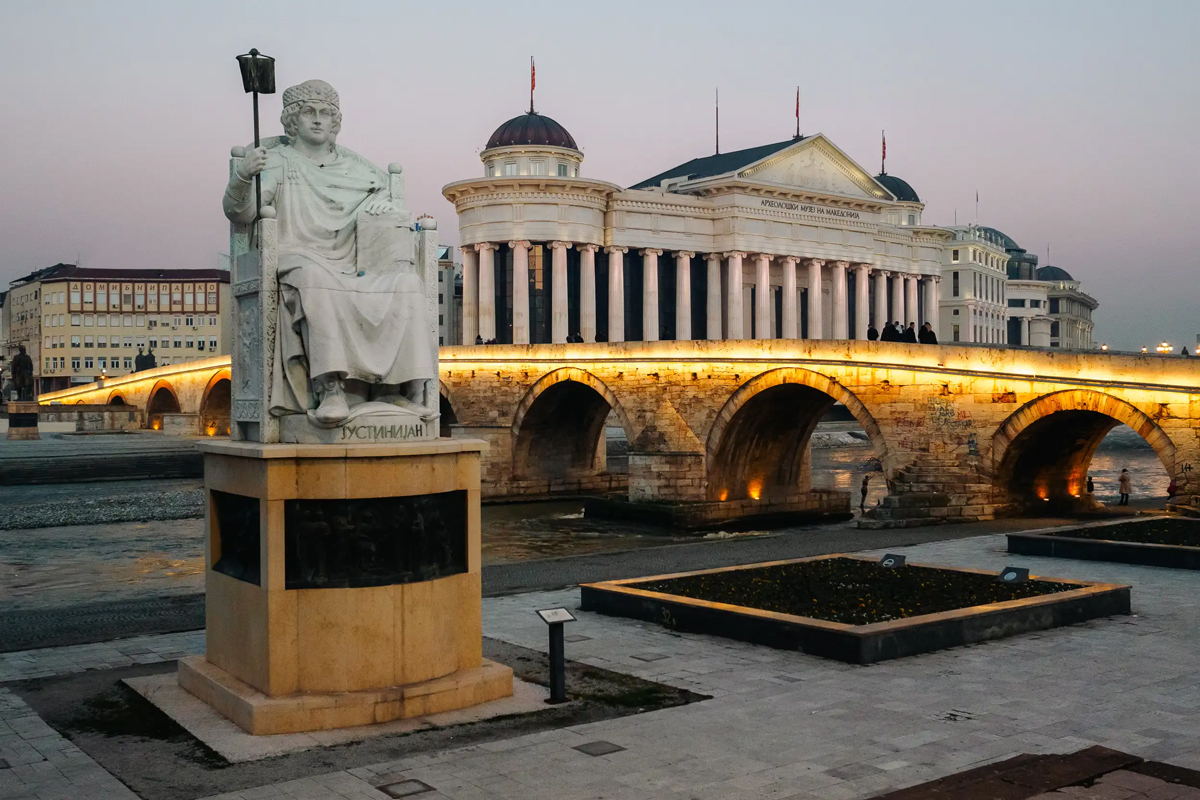
Driving is a good option if you want to plan your own stops and avoid relying on intercity bus timetables. The route from Sofia to Skopje passes through western Bulgaria and the Gyueshevo-Deve Bair border crossing.
By car, you can combine a visit to North Macedonia’s capital with other destinations in the country. For example, you could stop at Matka Canyon before continuing to Lake Ohrid. However, a trip covering both Skopje and Ohrid is best planned over at least several days, as long drives leave less time to explore each city.
If you’re using a rental car, obtain permission from the rental company to cross the border before setting off. Make sure the insurance and vehicle documents are valid outside Bulgaria. Rental companies may have different rules for travel to North Macedonia.
If you’re driving your own car, bring your driving licence, vehicle registration documents, and valid insurance coverage for your destination. Requirements may vary depending on where the car is registered and the terms of your insurance policy.
Can You Visit Skopje on a Day Trip?
Yes, a day trip from Sofia to Skopje is possible, but travelling by bus does not always work well for this purpose. The journey takes up a substantial part of the day, and the return timetable may leave you with little time to explore the city.
For a trip without an overnight stay, an organised tour from Sofia is more convenient. Group tours lasting around 12 hours are available, including transport and visits to Skopje’s main attractions. Prices start at approximately €95 per person, although the final cost depends on the operator, group size, and services included.
With just one day in Skopje, it’s best to focus on the historic centre. You can explore the Old Bazaar, see the Stone Bridge and Macedonia Square, and visit Kale Fortress. If your tour also includes Matka Canyon, you’ll have less time to spend in the city itself.
If you’re travelling independently by bus, an overnight stay is a better option. You won’t have to plan your sightseeing around the return departure, and you can enjoy an evening in North Macedonia’s capital.
How to Get from Sofia to Ohrid
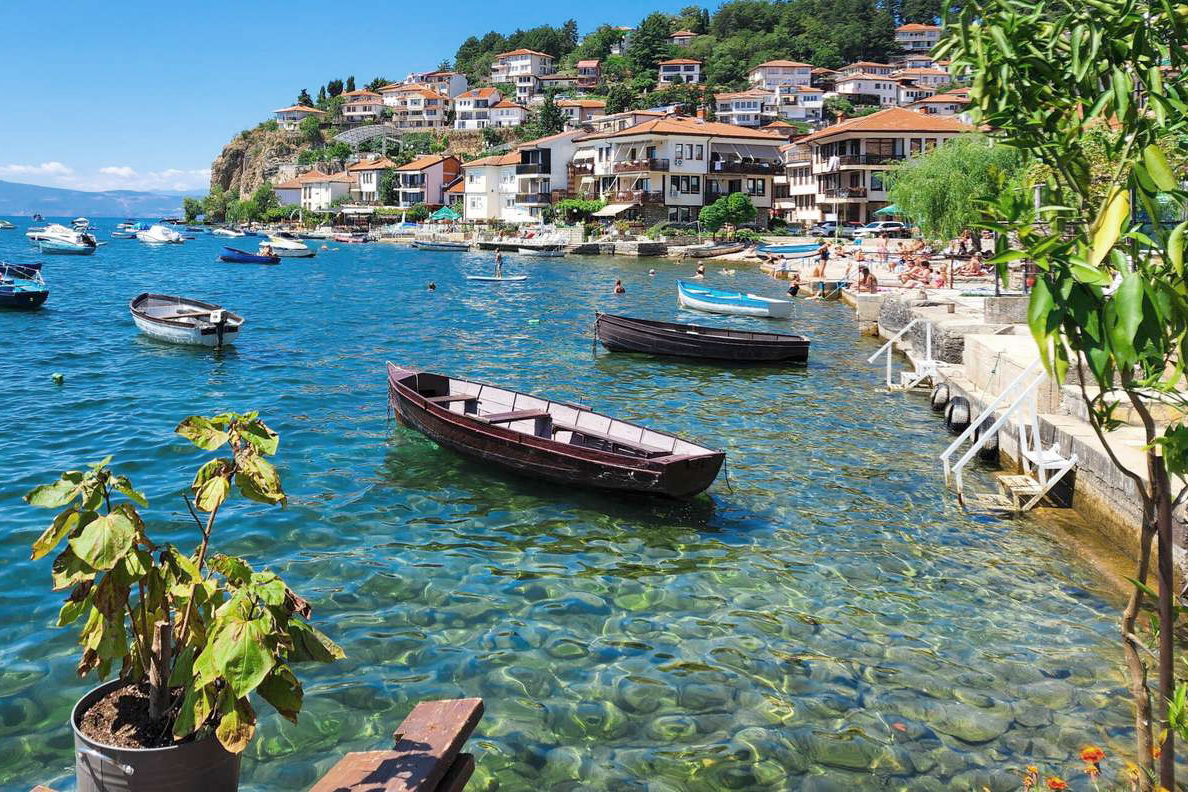
Ohrid lies in the southwest of North Macedonia, on the shores of the lake of the same name. Getting there from Sofia is more complicated than travelling to Skopje. A direct bus should not be treated as a guaranteed option, so the journey is often planned via the country’s capital.
A practical route is to take a bus from Sofia to Skopje, then catch a separate bus to Ohrid. Intercity buses to Ohrid depart from Skopje’s main bus station. The second leg takes around 3 hours, but the total journey time depends on your connection and the timetables.
If you’re travelling by bus, avoid booking tickets with only a short gap between your arrival in Skopje and departure for Ohrid. A border delay or late arrival could cause you to miss the connecting bus. Allow extra time for the transfer and consider spending a night in Skopje if the available connections are inconvenient.
Driving allows you to visit both cities on the same trip. However, set aside at least one full day to explore Ohrid properly. The journey from Sofia and the drive via Skopje leave too little time for a relaxed visit if you’re trying to fit everything into a single-day excursion.
Skopje or Ohrid: Which Should You Choose?
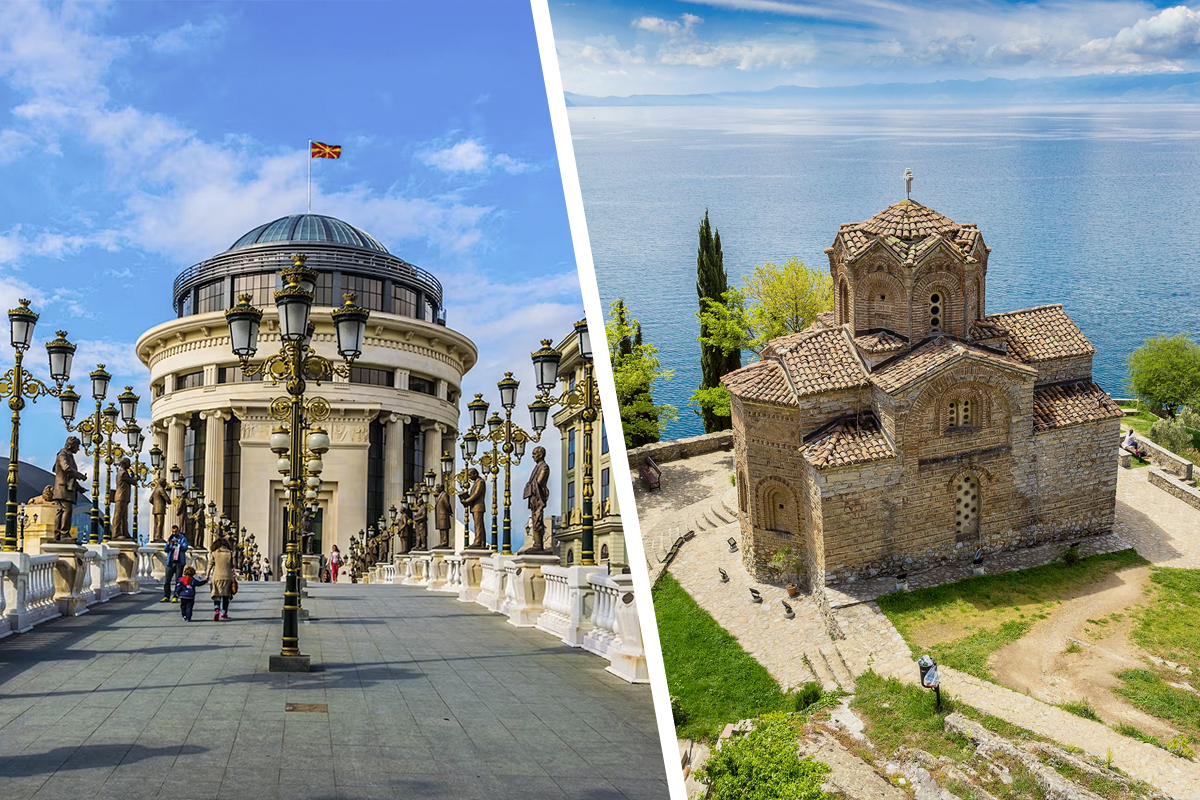
Skopje and Ohrid suit different types of trips. Skopje is a good choice if you’re interested in a modern capital, a historic centre, and urban life in North Macedonia. Ohrid appeals to visitors looking for an old town, a lake, churches, and time by the water.
If you have only one or two days, Skopje is the more practical choice. The journey from Sofia is shorter and simpler, and the capital’s main sights are easy to explore on foot. Ohrid is better for a more relaxed trip, especially if you want to stroll along the lake and enjoy the surroundings without rushing.
With 3-4 days, you can visit both destinations. A sensible plan is to spend the first part of the trip in Skopje, then travel to Ohrid and stay for one or two nights. This way, you won’t have to return to Sofia immediately after exploring the capital.
Documents and Border Crossing
North Macedonia is not part of the European Union or the Schengen Area, so travelling there from Bulgaria involves international border control. Entry requirements depend on your citizenship and residence status in Bulgaria. For more information, see our guide Travel Documents from Bulgaria: Turkey, Greece, Romania and North Macedonia.
EU citizens can enter North Macedonia with a valid national identity card. Requirements for non-EU citizens vary depending on their nationality, travel document, and whether they hold a residence permit or visa.
Before travelling, consult the official information provided by the Ministry of Foreign Affairs of North Macedonia and the Bulgarian Ministry of Foreign Affairs. This is particularly important if you live in Bulgaria but hold a passport from another country.
If you’re travelling by car, border control also involves checking the vehicle documents, not just the passengers’ travel documents. If you’re renting a car, arrange permission to take it abroad in advance and make sure your insurance covers North Macedonia.
A 2-4 Day Itinerary in North Macedonia
The length of your trip determines whether it’s practical to include both cities. For a short break, don’t try to cover the entire country: the journey between Skopje and Ohrid takes several hours, so frequent transfers leave less time for exploring.
2 days: Skopje
On the first day, travel from Sofia to Skopje, check into your accommodation, and explore the city centre. Make time for the Old Bazaar, the Stone Bridge, and Macedonia Square. On the second day, visit Kale Fortress or spend a few hours at Matka Canyon before returning to Bulgaria or staying another night. Detailed itinerary:
3 days: Skopje and Ohrid
Spend the first day in Skopje, then leave for Ohrid the following morning. After arriving, explore the old town and lakeside promenade. Set aside the third day for the lake, historic churches, and viewpoints, then return to Skopje or continue along a route you’ve planned in advance.
4 days: A More Relaxed Trip
With four days, you can spend two days in Skopje and two in Ohrid. This itinerary works well if you’re travelling by car or if the intercity bus timetables are convenient. It gives you time to explore beyond the city centre and discover the area around Lake Ohrid.
If you’re travelling from Sofia by bus, allow enough time for the journey and any transfers. Four days is a more comfortable option for visiting both cities than trying to fit everything into a single weekend.
Conclusion: Which Route Should You Choose?
For your first trip from Bulgaria to North Macedonia, Skopje is the simplest choice. The bus journey takes up a large part of the day once border control is taken into account. If you want to visit Ohrid as well, allow at least three days, or preferably four.
An organised day trip is a good option if you want to visit Skopje without arranging transport yourself. For a trip with overnight stays and several destinations, driving or combining intercity buses is more convenient.