Bulgaria in winter is about more than a ski holiday. In December, Sofia lights up for Christmas, festive markets appear in city squares, and historic towns invite visitors to explore their old streets and museums. Towards the end of the year, travellers come for the New Year atmosphere, while January is a good time to combine city sightseeing with trips to mineral pools and mountain attractions.
Sofia is the main starting point for a winter trip. Spend a few days exploring its Christmas markets and museums, then head to Plovdiv or take a trip to the thermal springs. This guide covers what to see in Bulgaria in winter, where to find festive events, and how to plan a trip for December or January.
Contents
Bulgaria in winter: is it worth visiting?
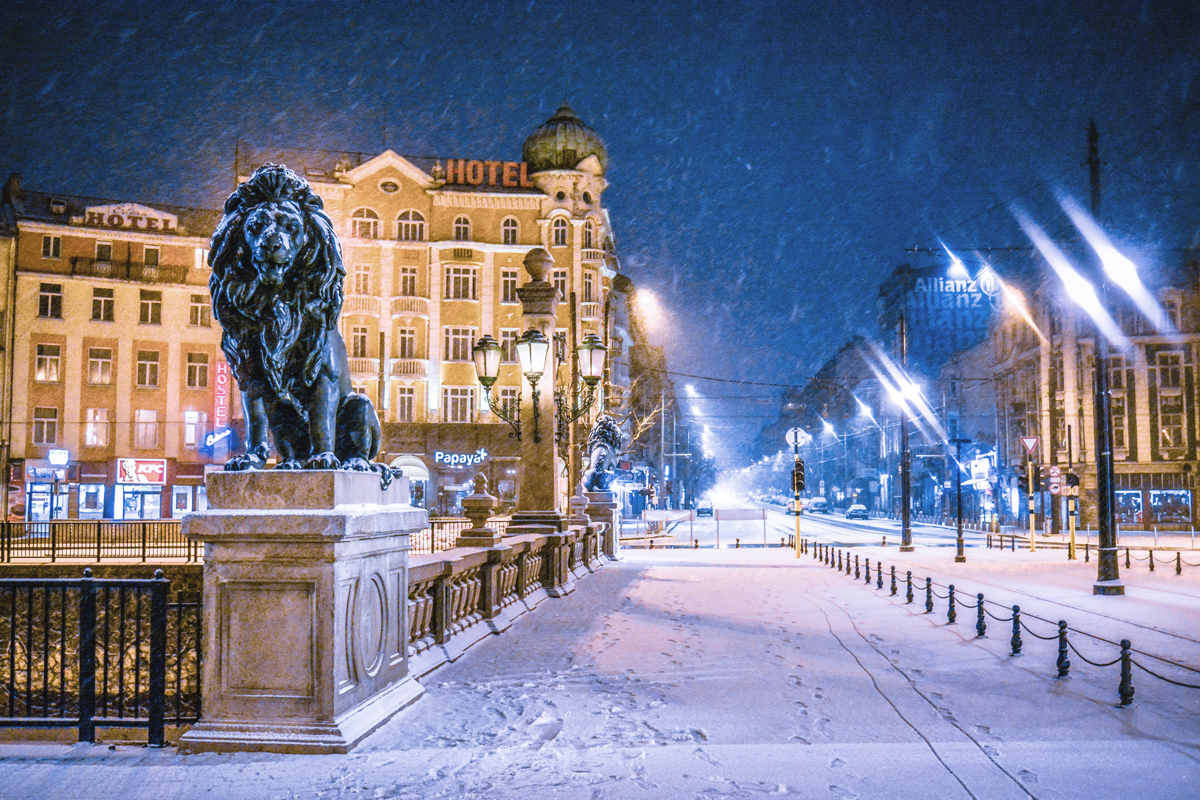
Bulgaria in winter offers a mix of city culture, festive events and natural attractions. Sofia is ideal for a short break with museums, cafés and Christmas markets. Plovdiv draws visitors with its Old Town, ancient landmarks and charming streets. If you want a break from city life, you can add mineral pools or a trip to the mountains to your itinerary.
December is particularly appealing thanks to Christmas decorations and seasonal events. In January, the festive atmosphere gradually gives way to the usual pace of city life, leaving more time for museums, walks and trips around the country. Keep in mind that 1 January, 24 December, 25 December and 26 December are official public holidays, so some museums, shops and public institutions close or operate on adjusted schedules.
Bulgaria in winter is a good choice if you want to combine several experiences in one trip:
- Explore Sofia’s Christmas markets and festively decorated streets;
- celebrate New Year in the capital or spend the holidays at a hotel;
- discover Plovdiv’s historic centre and ancient landmarks;
- visit thermal pools and spa complexes;
- plan a multi-city trip without changing hotels every day.
If winter sports are the main reason for your trip, take a look at our guide to ski resorts in Bulgaria: prices, slopes and how to get there. For a trip focused on cities and festive events, it is easier to start in Sofia and add one or two excursions elsewhere in the country.
Sofia in winter: what to see
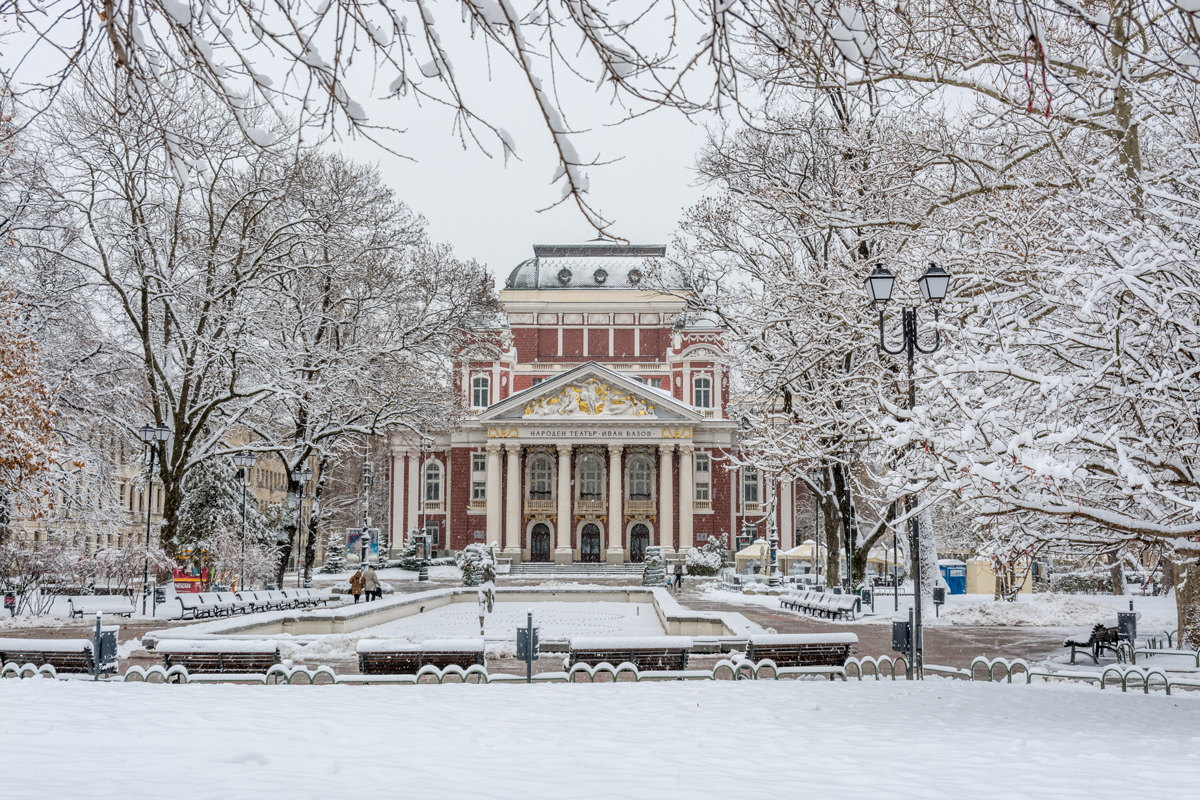


Sofia in December combines everyday city life with Christmas decorations, seasonal markets and concerts. Most of the central sights are close enough together to explore on foot. In winter, it is worth alternating outdoor walks with visits to museums, cafés and historic buildings.
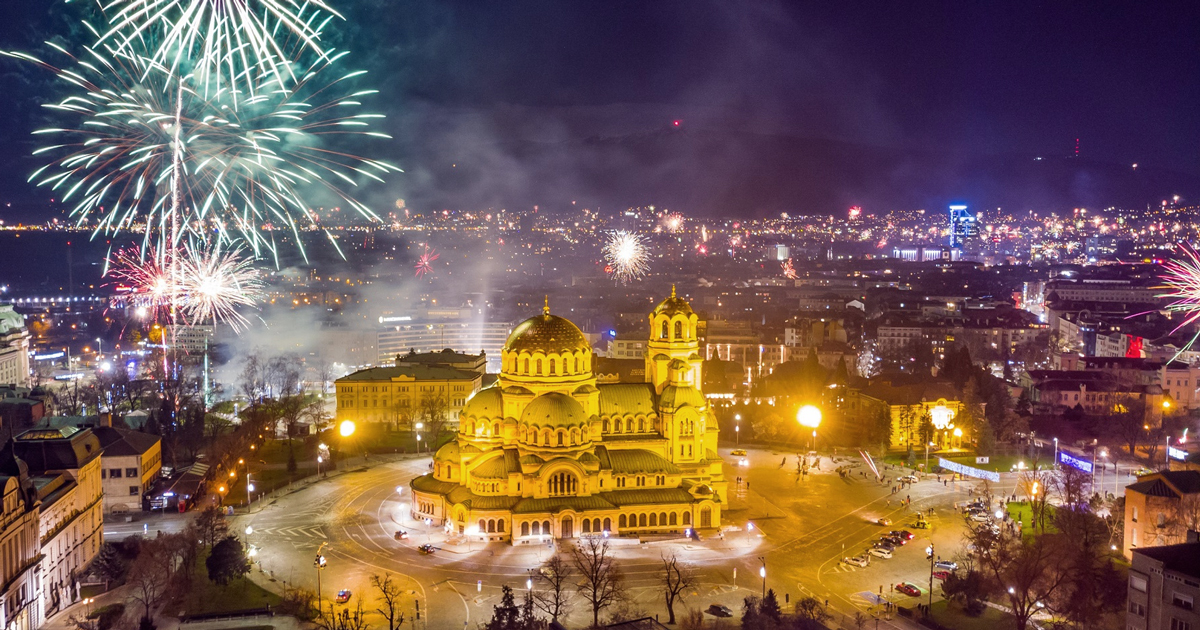
Start with Alexander Nevsky Cathedral. Nearby, you will find the square around the Church of St Sophia, the National Gallery and other landmarks in the historic centre. From there, walk along Tsar Osvoboditel Boulevard towards the Ivan Vazov National Theatre, with the City Garden just in front.
Vitosha Boulevard is a good place for a stroll, shopping or a break at a café. When the weather is fine, you can continue exploring the central streets on foot. On a cold or rainy day, set aside time for a museum. For example, the National Museum of Natural History at the Bulgarian Academy of Sciences is open daily from 10:00 to 18:00, except on designated public holidays. An adult ticket costs €6.50. You can also browse the best tours in Sofia and choose one that suits your interests.
One full day is enough for a first visit to Sofia. If you want to visit several museums, explore the centre at a relaxed pace and stop at Christmas markets, allow two days. In December, bear in mind that some cultural venues operate reduced hours on 24 and 31 December, while many close on 25 December and 1 January.
Christmas markets in Sofia
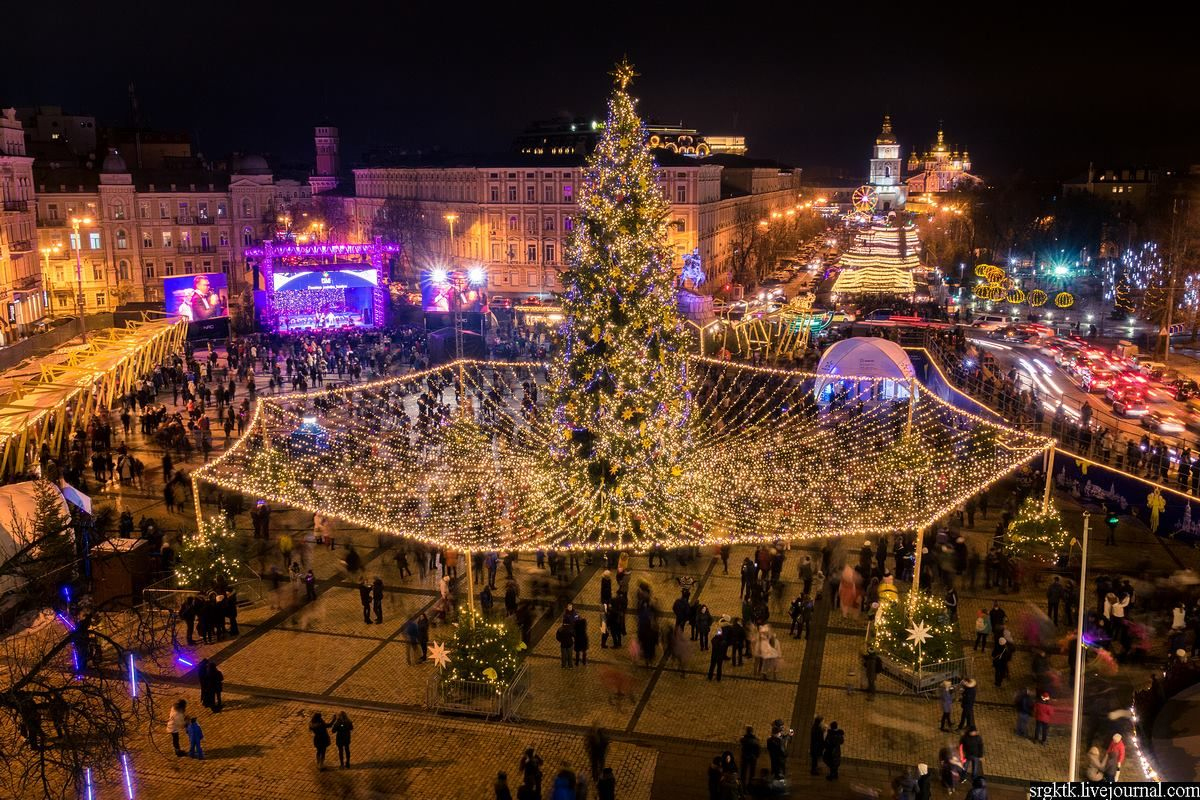
Sofia does not have just one Christmas market. Festive venues are set up in different parts of the city, with the best-known including the German Christmas Market in the City Garden and Sofia Christmas Fest in the park in front of the National Palace of Culture (NDK).
The German Christmas Market is in the city centre, next to the Ivan Vazov National Theatre. Stalls typically sell handmade gifts, decorations and seasonal treats. It is an easy stop on a walk through historic Sofia and can be combined with visits to Alexander Nevsky Cathedral, the City Garden and Vitosha Boulevard.
Sofia Christmas Fest takes place in the park in front of NDK. Organisers set up festive stalls, food areas, concerts and activities for children. Some editions have also featured fairground rides and ice-related attractions. Entry to the festival is free, but food, drinks and certain activities cost extra. In 2026, Sofia Christmas Fest will open on November 20 and run until December 28.
The best time to visit Sofia’s Christmas markets is towards the evening, when the lights come on and the festive decorations look particularly atmospheric. You can visit both main venues in one evening, travelling between the City Garden and NDK on foot or by public transport.
New Year in Bulgaria
You can spend New Year in Bulgaria in Sofia, book a festive dinner at a restaurant or stay at a hotel offering an entertainment programme. One advantage of celebrating in the capital is that you can spend the day sightseeing and head out for festive events in the evening. The exact programme varies from year to year, with city concerts, public celebrations and special offers from restaurants and hotels usually announced closer to December.
If you are planning to spend New Year’s Eve in Sofia, decide on the type of celebration you prefer. Staying in the city centre is convenient if you want to welcome midnight in a public square. For a festive dinner, look for a restaurant with a confirmed programme. If you prefer a quieter evening, choose a hotel where the New Year’s Eve celebration is included in the accommodation package.
When choosing festive accommodation, pay attention to a few details:
- whether dinner and entertainment are included in the room rate;
- whether special arrangements are available for children;
- how transfers are organised after midnight;
- which dates the special rate covers and how many nights you must book;
- whether you can cancel without a fee.
 Christmas in Bulgaria is celebrated on 25 December, while Christmas Eve falls on 24 December. New Year’s Day, 1 January, is an official public holiday. Shops, museums and transport services may follow different schedules on these dates, so plan your main sightseeing activities for the surrounding days. It is also worth confirming the arrangements at your chosen restaurant if you want a Christmas dinner.
Festive events are not limited to New Year’s Eve. Sofia’s seasonal programme usually begins in November and includes markets, concerts and family activities over several weeks. A trip in early December is therefore a good choice if Christmas markets are your main priority, while dates closer to 31 December are better suited to travellers planning a New Year’s Eve celebration.
Plovdiv in winter and at Christmas
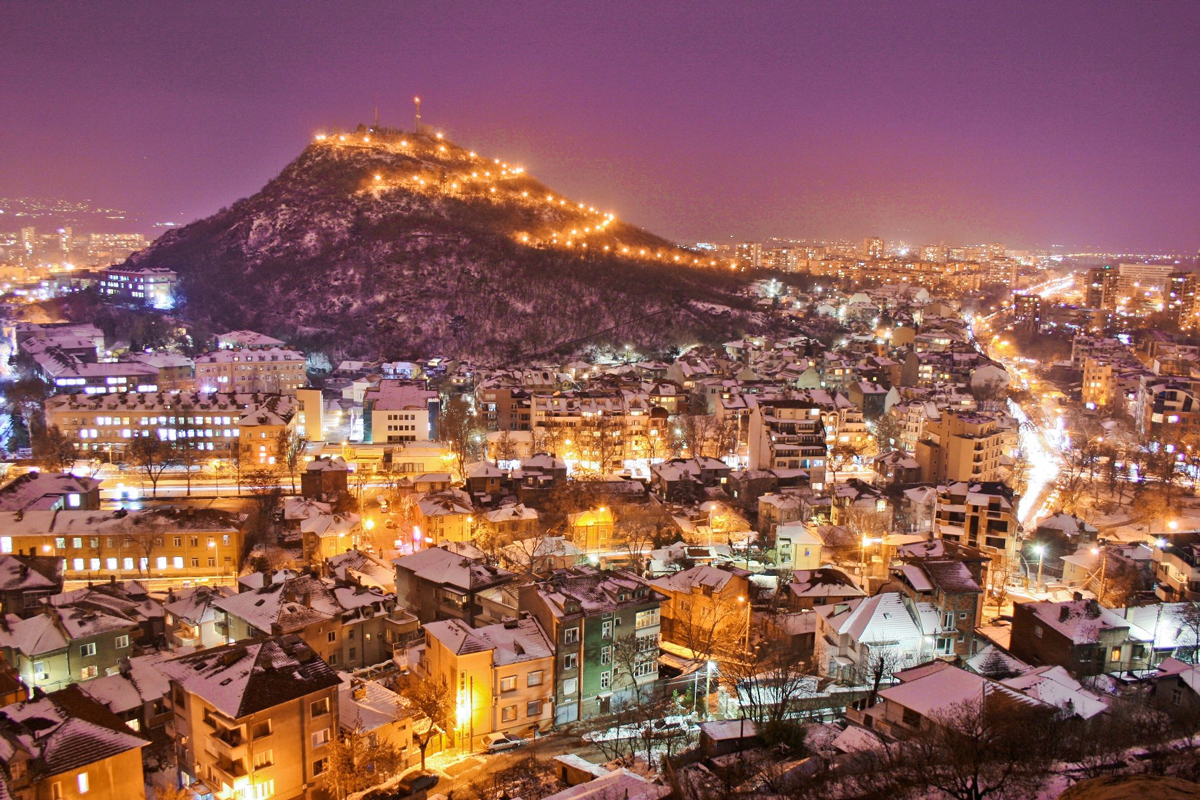
Plovdiv is a good choice for a day trip from Sofia or a stay of one or two nights. Its main attraction is the Old Town, with cobbled streets, historic houses and panoramic views. You can easily spend several hours here, moving between architectural landmarks, small museums and cafés.
Plovdiv’s centre preserves several ancient landmarks, including the Roman Stadium. Some historic sites can be seen while walking around the city, while museums and certain archaeological attractions charge an entrance fee. According to the published ticket prices, admission to individual tourist sites costs €3.58 for adults, while a combined ticket for five sites costs €10.74. The Bishop’s Basilica of Philippopolis has a separate admission fee.
In December, the city hosts the Christmas in Plovdiv programme. During the 2025/2026 season, the Christmas market in Central Square ran from 28 November to 4 January. Visitors could browse festive stalls, try seasonal treats, enjoy the decorations and attend family-friendly events.
If you are visiting Plovdiv for its Christmas atmosphere, explore the Old Town during the day and head to the festive area in the centre in the evening. This combines historic sights with seasonal events. If museums are a priority, plan your route in advance: some venues have individual opening hours and may close for a lunch break.
Thermal pools and spas in winter
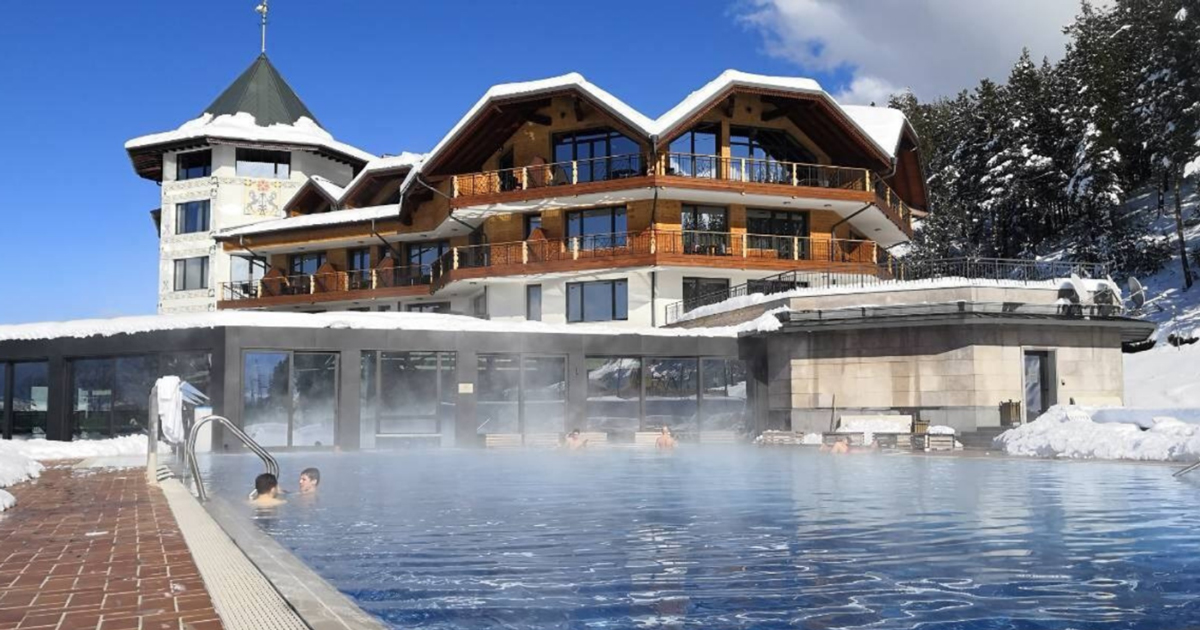
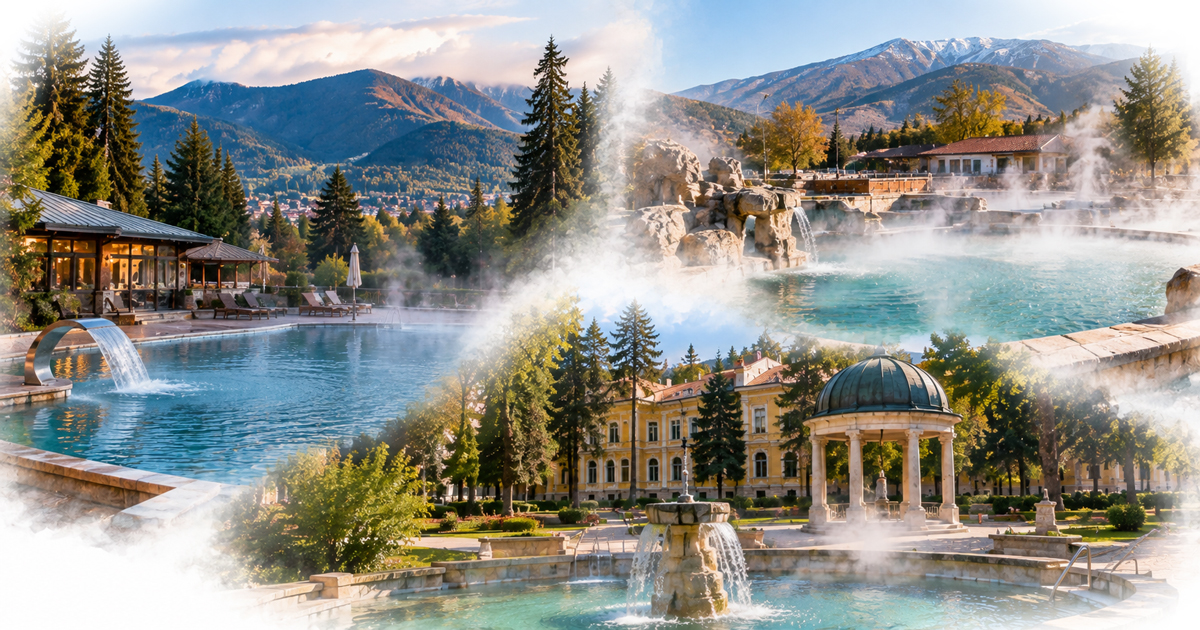
Thermal pools are one way to add variety to a winter trip to Bulgaria. After exploring Sofia or Plovdiv, spend a few hours in a mineral pool, visit a spa complex or plan a separate trip to a thermal resort. This is particularly appealing in cold weather, when you want to alternate sightseeing with time indoors or in a heated outdoor pool.
If you plan to include thermal baths in your New Year itinerary, first decide where you will stay and how much time you want to spend travelling. A pool near Sofia is easier to fit into a short city break, while a thermal resort with an overnight stay is better suited to a more relaxed holiday. When choosing a complex, distinguish between public mineral pools, hotel spa areas and accommodation packages: access conditions and prices differ.
Weather, transport and practical tips
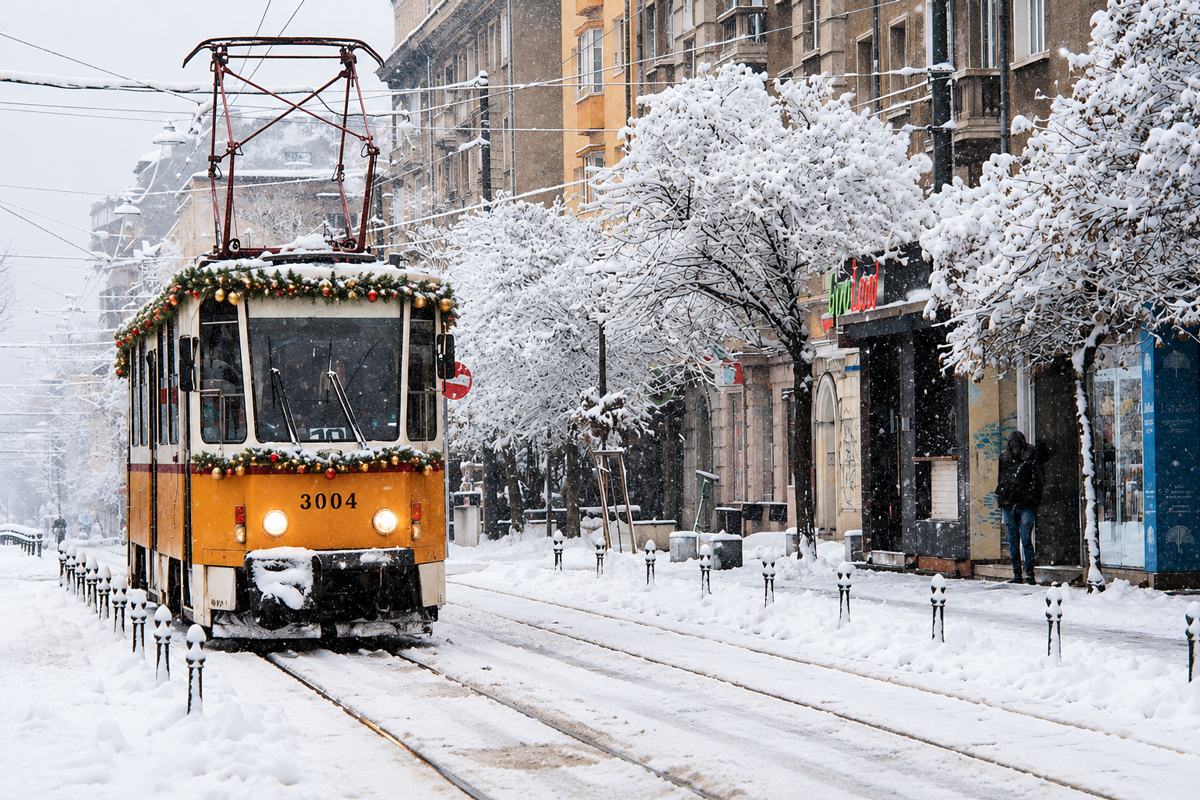
Winter weather in Bulgaria varies by region and altitude. Sofia and Plovdiv can experience cold days, rain, snow and icy pavements, so bring warm layers and shoes with good grip for walks through historic streets. Conditions in the mountains can be very different from those in the cities, and snow and winter road conditions should be taken into account when travelling to higher-altitude areas.
The metro and surface public transport are convenient ways to get around Sofia. The metro station at Airport Terminal 2 connects to the city centre on Line M4, with a direct ride to Serdika station. For more details on fares and ways to travel from the airport to the centre, see our guide to getting from Sofia Airport to the city centre by metro, bus or taxi.
For trips around the country, decide on your main mode of transport in advance. Trains and buses run between Sofia and Plovdiv, but journey times and fares depend on the service and travel date. If you plan to visit several cities over a short period, compare public transport times with the option of hiring a car. For mountain trips in winter, road conditions and suitable tyres are particularly important.
If you want to combine winter sightseeing with shopping, set aside some time for Sofia’s shopping centres. They are a practical option on a cold or rainy day when you would rather spend less time outdoors. Our guide to shopping in Bulgaria: malls, shops, outlets and prices covers the main options.
A 3-5 day winter itinerary for Bulgaria
For a first winter trip, Sofia works well as a base, with Plovdiv added as a day trip or overnight stop. This itinerary avoids the need to change hotels every day while combining Christmas markets, historic sights and the option of visiting thermal pools.
A 3-day itinerary
You may find the three-day itinerary a little too packed, and you would be right. For most people, this trip will be quite demanding. The activities are arranged so that you can adapt the itinerary to suit your preferences: remove some stops, replace others, and create your own ideal plan.
If you prefer a more relaxed itinerary, you can replace the third day with a visit to the mineral pools near Sofia or a spa complex. There is a separate one-day itinerary for the thermal baths on the page.
A 5-day itinerary
- Day 1 – Sofia. Explore the central streets and main sights.
- Day 2 – museums and Christmas markets. Choose a cultural attraction and spend the evening at a festive market if it is open.
- Day 3 – Plovdiv. Walk through the Old Town, visit ancient landmarks and explore seasonal events in the city centre.
- Day 4 – thermal baths and mineral pools. Choose a complex based on its distance from your accommodation and whether it accepts visitors without an overnight booking.
- Day 5 – a free day in Sofia. Make time for shopping, cafés, additional museums or a relaxed walk before departure.
If the main purpose of your trip is to celebrate New Year in Bulgaria, plan your dates around New Year’s Eve and the events available. For Christmas markets, visit in December before they close for the season. If cities, museums and thermal baths matter more, January is also a good time to travel, with an itinerary that does not depend on specific festivals.
Bulgaria in winter lets you combine several kinds of experience in one trip: festive Sofia, historic Plovdiv, museums and mineral pools. For a short break, choose one main city and one additional excursion. With five days, you can add a thermal spa visit and some time for shopping.