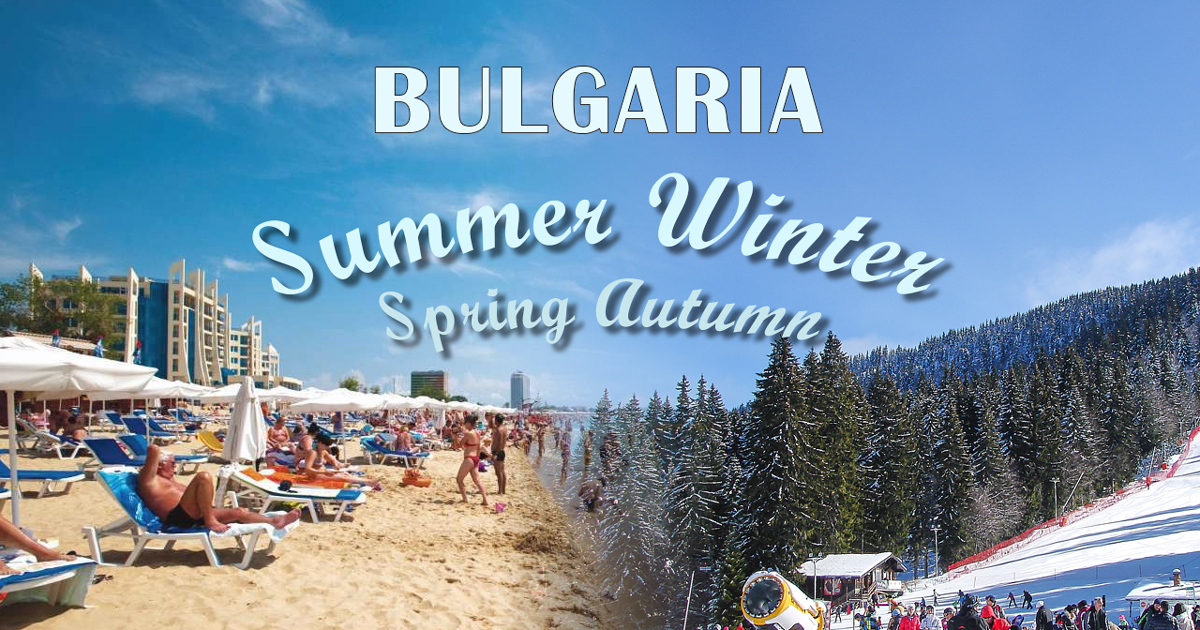
Bulgaria offers different kinds of holidays throughout the year: people come for the Black Sea in summer, city breaks and nature trails in spring and autumn, and ski resorts in winter. However, the best time to visit Bulgaria depends not only on the month, but also on the region and what you want to do.
The weather on the coast, in Sofia, Plovdiv and the mountains can vary considerably. While it may already be warm on the beaches, snow can still cover the mountains. Conversely, at the height of summer, sea breezes help moderate the heat on the coast, while daytime temperatures can be higher inland.
To choose the right dates, decide what matters most: swimming in the sea, sightseeing, hiking, winter sports or experiencing local traditions. Below is an overview of Bulgaria’s climate, seasonal travel advice and a month-by-month calendar to help you plan your trip.
When Is the Best Time to Visit Bulgaria?
There is no single answer to the question of when to visit Bulgaria. Weather that is ideal for the beach may not be comfortable for long sightseeing days, and hiking conditions differ from those needed for skiing. Plan around your preferred activities and the region you want to explore.
- For a beach holiday: The main swimming season on the Black Sea falls in summer. July and August suit travellers who like warm water and hot weather. You can also enjoy a seaside holiday in June and September, but air and water temperatures vary from year to year.
- For sightseeing and city walks: Spring and early autumn are often more comfortable than the summer heat. It is a pleasant time to explore old neighbourhoods, museums, monasteries and archaeological sites.
- For hiking and outdoor activities: Late spring, summer and early autumn suit many routes in the foothills and mid-mountain areas. Conditions on high-altitude trails depend on elevation, snow cover and trail conditions.
- For skiing: Ski trips are usually planned for the winter months. Whether you can ski depends on the resort’s elevation, snow conditions and lift operations, so the calendar alone cannot guarantee good snow.
- For flowers and festivals: Spring and early summer are good times to discover Bulgaria’s landscapes and traditions. The Rose Festival in Kazanlak, for example, is linked to the blooming of oil-bearing roses and usually reaches its peak in early June.
If your holiday dates are already set, use the calendar below to compare the months and find a period that suits your preferred activities.
Bulgaria Weather by Month
The Bulgaria weather calendar lets you compare conditions throughout the year at a glance. Select a month to find out about air and sea temperatures, rainfall, regional differences and what to expect from a holiday at that time.
The activity filters highlight months that are generally suitable for particular pursuits. Treat them as a guide rather than a weather guarantee: conditions change from year to year, especially in the mountains and at the beginning or end of the tourist season.
Highlighting is a guideline, not a guarantee of weather or event dates. Cards show average monthly values for the Black Sea coast.
Bulgaria Weather in January
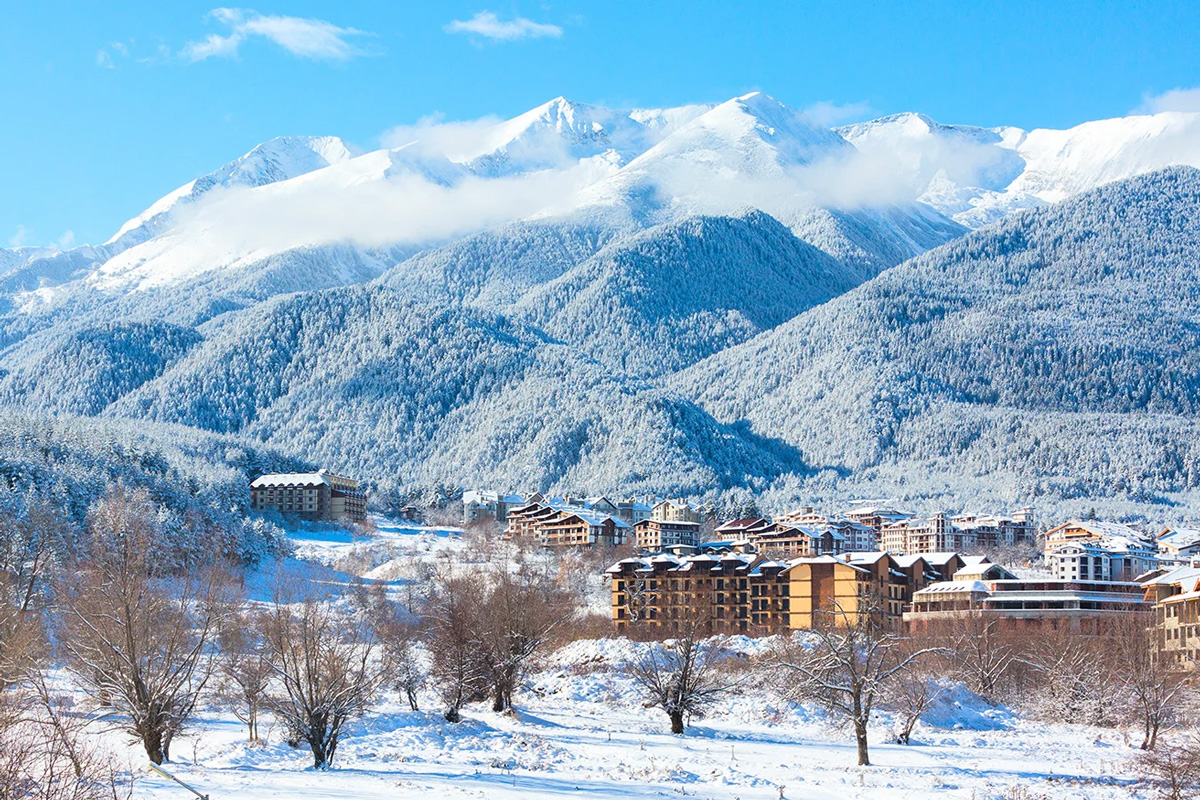
January is one of the main months for a winter holiday in Bulgaria. On the Black Sea coast, the average monthly air temperature is around +1 °C, while the sea is about +4 °C. In Sofia, the average temperature is around 0 °C, and overnight frost is common. Conditions in the mountains are more suitable for winter sports, particularly at higher elevations, although snow cover and open runs vary with the weather.
Ski season: slopes and resorts
If skiing or snowboarding is the main purpose of your trip, January is usually a better choice than December: the winter season is well underway, and resorts are operating as usual when snow conditions allow. Popular destinations include the ski resorts of Bansko in the Pirin Mountains, Borovets in the Rila Mountains and Pamporovo in the Rhodopes. The best choice depends on your ability, the length of the runs, the facilities and whether you plan to spend all your time on the slopes or take sightseeing trips as well.
Before booking, check the current piste conditions, lift operations and forecast for your dates. Even in midwinter, the weather can restrict skiing on some runs, and conditions in town can be very different from those on the peaks.
Combining skiing with thermal relaxation
After a day on the slopes, a warm pool or spa area can be a welcome change. For this combination, choose a resort with its own wellness facilities or accommodation near mineral springs. Around Bansko, you could also consider nearby thermal destinations such as Dobrinishte and the village of Banya. When choosing accommodation, take travel time to both the lifts and thermal pools into account.
For a January trip, pack winter clothing, gloves and shoes with good grip. If you are travelling without your own gear, you can rent ski equipment locally; there are plenty of rental shops. If you plan to combine skiing with thermal treatments, bear in mind that some facilities admit guests in timed sessions or require advance booking.
Bulgaria Weather in February
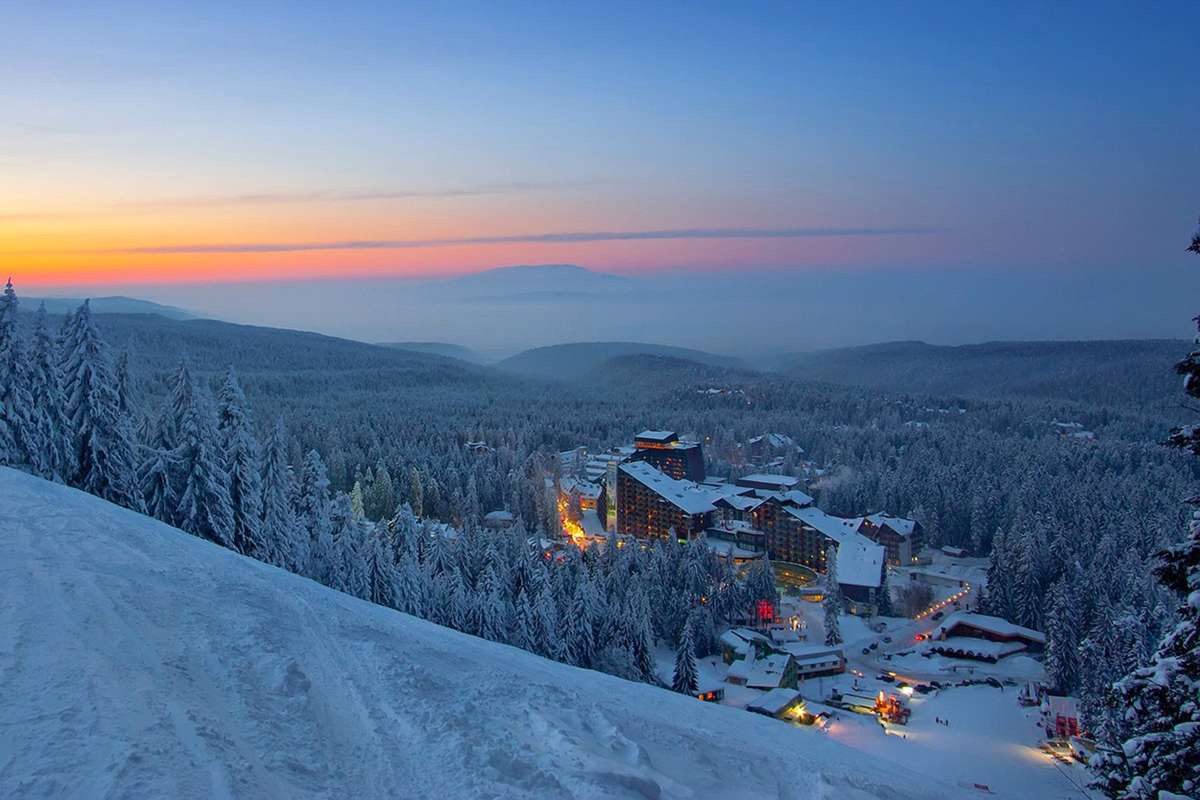
Winter continues in February, making it a good month for both skiing and wellness breaks. On the Black Sea coast, the average monthly air temperature is around +2.5 °C, while the sea remains cold at about +5.5 °C. Sofia’s average temperature is close to +1 °C, and winter conditions persist in the mountains. Lowland areas can become milder towards the end of the month, but that does not mean spring has arrived on the ski slopes.
Skiing and snowboarding
February is a good time to visit Bansko, Borovets or Pamporovo. You can spend most of your holiday skiing, then switch to relaxing at your hotel, taking a walk or visiting a spa on days when visibility or weather conditions are poor. Before travelling, check the latest information on pistes and lifts: temperatures in the nearest town do not reflect snow conditions at altitude.
Also consider how busy the resorts may be. Accommodation and services can be in especially high demand during school holidays and popular festive periods, so it is best to arrange lodging and equipment in advance. Beginners should look for a resort with suitable learner slopes and the option of booking an instructor.
Balneotherapy and recovery breaks
February is also worth considering if you do not ski but want a restful break focused on wellbeing. Bulgaria has a well-established balneotherapy and spa sector: resorts use mineral waters, while specialist centres offer treatments, massages and programmes supervised by professionals. Options include Velingrad, Sapareva Banya and Hisarya, as well as Pavel Banya and Sandanski.
Depending on the facilities available, a wellness break may include mineral-water pools, water treatments, massage and therapeutic exercise.
Before travelling in February, decide what matters most: active days on the slopes, a quiet stay at a thermal hotel, or a combination of the two. If you want both, choose accommodation conveniently located between the ski area and the wellness facilities.
Bulgaria Weather in March
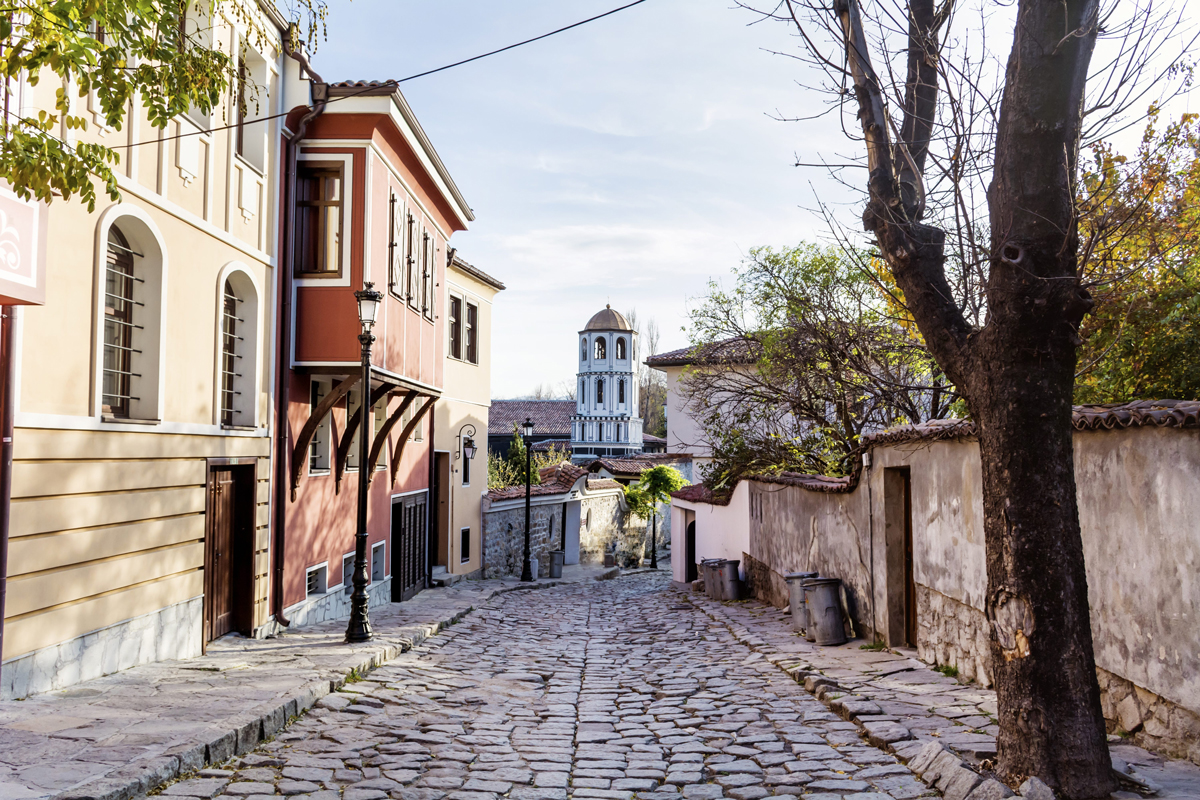
March weather in Bulgaria still has a wintry feel. Days grow warmer and longer, and the first signs of spring appear in the cities. Cold nights, wind and rain are still common, however, while winter conditions persist in the mountains.
Sofia’s average temperature in March is around +6 °C, with about 47 mm of rainfall for the month. On the Black Sea coast, the average monthly air temperature is approximately +5 °C, while the sea remains cold at around +7 °C. These figures describe monthly averages, not daytime highs: sunny days can feel much warmer, but sharp cold spells are also possible.
Where to go in March
March is a good time to explore cities and cultural attractions without the summer crowds. In Sofia, combine a walk around the centre with visits to museums and churches. In Plovdiv, explore the Old Town, the ancient theatre and the cobbled lanes, but try to choose a day without rain or strong winds for longer walks.
The coast is already pleasant for seaside strolls, but it is too early to count on a beach holiday. The water is too cold for swimming, and many seasonal businesses in resort towns are not yet operating on their summer schedules. March is a good option if you want to see coastal towns without the summer bustle.
Winter lasts longer in the mountains. The ski season may still be underway at high-altitude resorts, although slope conditions depend on snow cover and the weather. March is not suitable for every hiking route: snow, ice and muddy trails can persist at higher elevations.
What to consider when planning your trip
In March, dress in layers. A warm jacket, sweater and shoes suitable for wet streets are useful even when the forecast looks sunny. If you are travelling around the country, have a backup plan for rainy days, such as a museum or an indoor attraction.
March is a transitional month, best suited to city breaks, cultural routes and late-season skiing in the mountains.
Bulgaria Weather in April
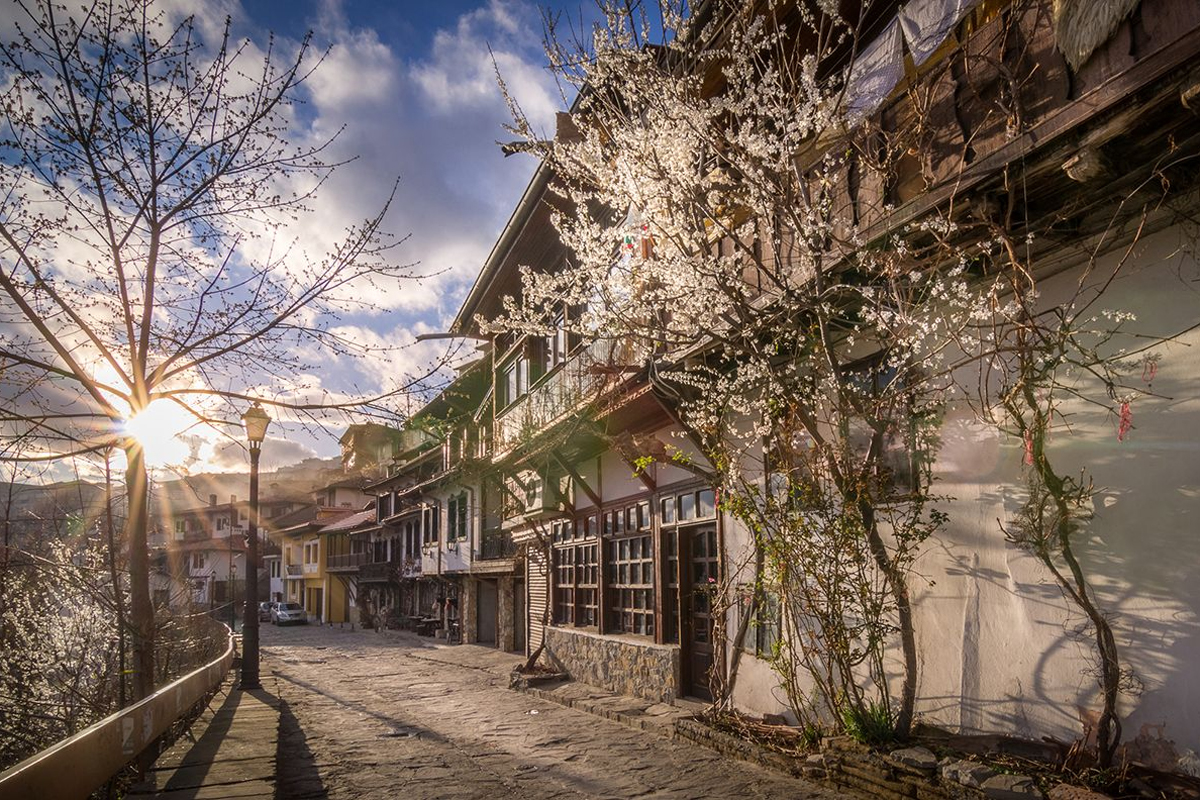
April brings more settled spring warmth, although the weather can still change from one day to the next. Trees blossom in the cities, parks turn green, and winter cold is less of a barrier to walks and trips around the country. April showers and chilly evenings are still part of the season, so do not pack only lightweight clothing.
Sofia’s average temperature in April is around +11 °C, and monthly rainfall is about 53 mm. On the Black Sea coast, the average monthly air temperature is close to +10 °C and the sea temperature is around +9 °C. It can feel pleasantly warm in the sunshine during the day.
A good time for cities and sightseeing
April is well suited to visiting Plovdiv, Sofia, Veliko Tarnovo and other historic cities. Spring greenery makes walks through parks and old neighbourhoods especially pleasant, while moderate temperatures are good for exploring archaeological sites and monasteries. If cultural attractions are the main reason for your trip, April is often more comfortable than the hot summer months.
The Black Sea coast gradually comes to life, but the beach season has not yet begun. The sea is still cold, though it is a good time for waterfront walks, visits to the old towns of Nessebar and Sozopol, and exploring coastal landscapes.
Snow can remain at higher elevations in the mountains, and trail conditions may be difficult. Low-level routes and walks in the foothills are a better choice than high-altitude hikes, where snow, water and mud can make progress harder.
Blossoms and spring trips
April is a good month to experience Bulgaria in spring, as gardens, parks and rural landscapes come back to life. Flowering times vary by region and weather: spring arrives earlier in warmer areas and later in the mountains. For nature trips, choose your destination rather than relying on the calendar alone.
For an April trip, bring a waterproof jacket, comfortable shoes and several layers. It may be warm during the day, but temperatures drop quickly after sunset. If your itinerary includes both the coast and the mountains, pack for the significant differences in weather.
Bulgaria Weather in May
May is one of the most pleasant months to explore Bulgaria outside the beach season. The countryside turns greener, days grow noticeably longer, and warm weather is ideal for walks, sightseeing and trips into nature. May is not guaranteed to be dry, though: spring rain remains part of the climate, especially inland and in the mountains.
Sofia’s average monthly temperature in May is around +15 °C, with rainfall reaching about 71 mm. On the Black Sea coast, the monthly average air temperature is about +16 °C and the sea is around +15 °C. The beaches can feel summery in the sunshine, but many people still find the water cool. Daytime temperatures in Plovdiv and the southern regions usually feel warmer than in the capital, while the mountains remain cooler.
For sightseeing, walks and outdoor activities
May is a good time to visit historic cities, monasteries, archaeological sites and natural attractions. In Plovdiv, explore the Old Town and ancient landmarks; in Sofia, combine a city itinerary with a trip to the foothills of Vitosha. For outdoor routes, wear shoes with good grip, as trails can remain wet after rain.
May opens up more hiking opportunities, but trail conditions depend on elevation. The foothills and lower trails are often comfortable, while snow can remain on high-altitude sections of the Rila and Pirin mountains. Plan demanding routes around the elevation, length of the hike and mountain forecast, not just the weather in the nearest town.
Rose blossom and local traditions
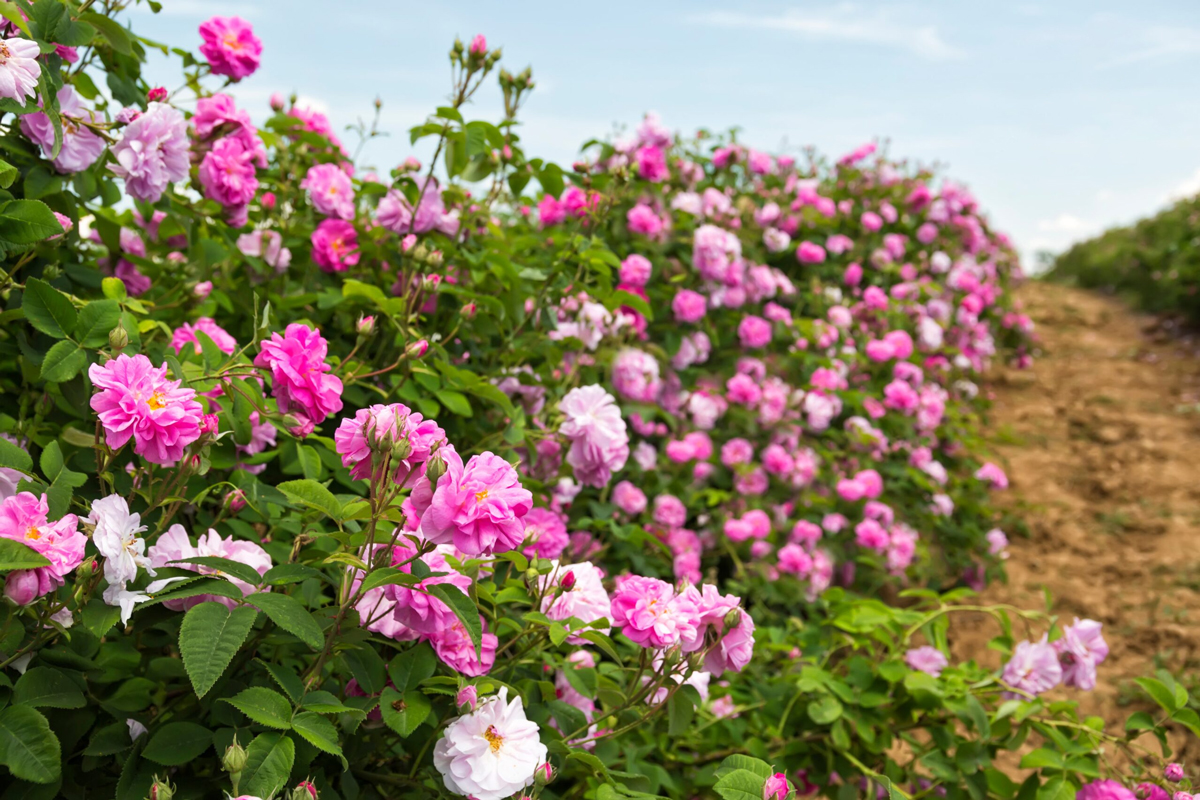
Late spring is a time when a trip to Bulgaria may coincide with the blooming of roses in the Valley of Roses. The area around Kazanlak is known for growing oil-bearing roses and its rose-picking traditions. The Rose Festival usually takes place in early June, so May is good for a spring visit to the region, but it does not guarantee that you will catch the main festival events.
If seeing rose fields in bloom is your main goal, bear in mind that flowering dates depend on the weather. More information about the tradition and festival is available from Bulgaria’s Ministry of Tourism.
Is May a good time to visit the seaside?
May is suitable for coastal walks, visits to Nessebar and Sozopol, drives along the shore and outdoor relaxation. It is less suitable for anyone hoping to swim every day. On a sunny day, the air may already feel like summer, but the sea warms up more slowly.
For a May trip, pack lightweight clothes for daytime, closed-toe shoes and a jacket for cool evenings and rain. This combination works for both city visits and short trips into the countryside.
Bulgaria Weather in June
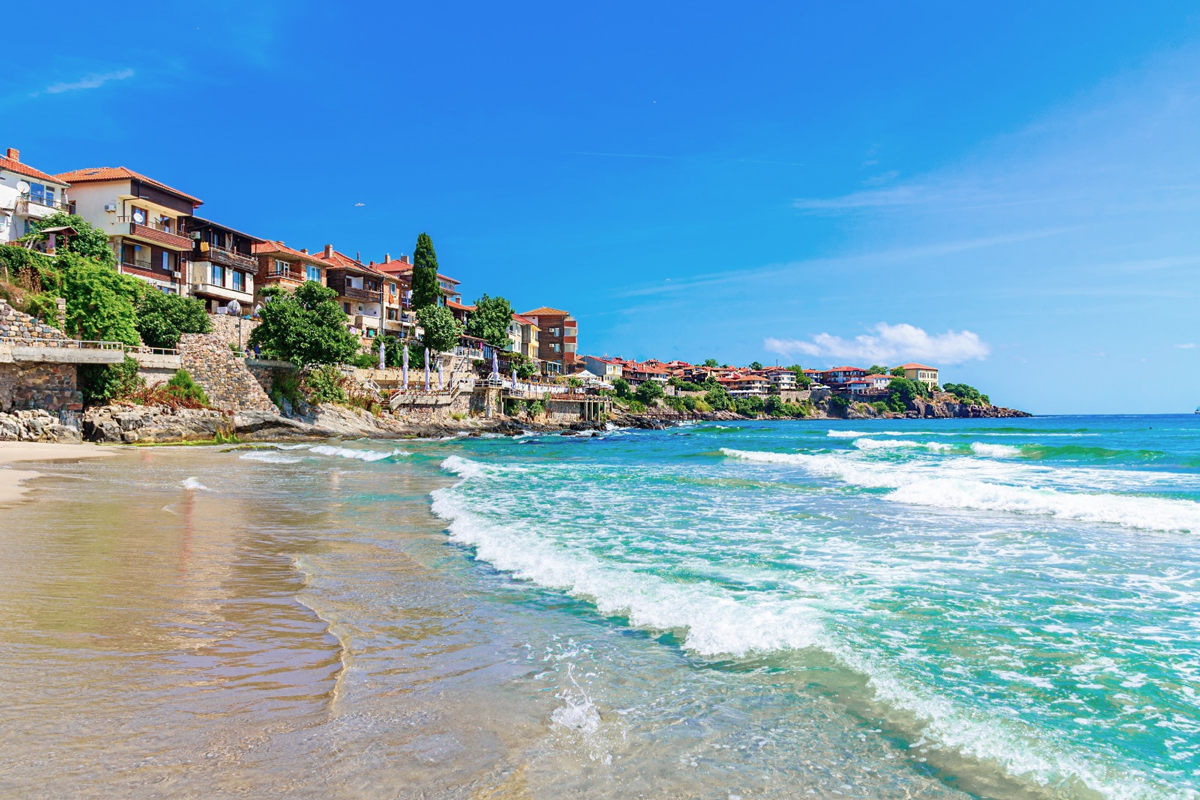
June marks the start of summer in Bulgaria. The Black Sea coast becomes warm enough for a stay on sandy beaches, cities welcome more visitors, and long daylight hours make it easy to combine the sea with sightseeing and nature trips. Early summer is still different from the July heat, however: the weather can change, and rain and thunderstorms are more common inland.
On the coast, the average monthly air temperature is around +20 °C and the sea is about +22 °C. Sofia’s average temperature in June reaches +19 °C, with around 78 mm of rainfall for the month. Plovdiv is usually hotter during the day than the capital, while the mountains remain cooler. The same June day can therefore feel like beach weather on the coast and quite chilly on a high-altitude trail.
Is June a good time for a beach holiday?
Yes. June is already suitable for a beach holiday, especially in the second half of the month. The sea gradually warms up, seasonal businesses open at the resorts, and beach facilities begin operating on their summer schedules. Early in the month, the water may feel cool to people who prefer a very warm sea. If you are travelling with young children or enjoy long swims, take your own comfort with water temperature into account.
On the northern coast, around Varna and Golden Sands, you can combine the beach with city walks and trips to nearby natural attractions. Further south, around Burgas, Sozopol and Nessebar, add historic neighbourhoods and coastal walks to your seaside break. Weather can differ along the coast, and wind and cloud cover affect how warm it feels.
Where to go in June besides the beach
June is a good time for sightseeing around Bulgaria. Sofia and Plovdiv are warm enough for long walks, and early summer is usually more comfortable for city routes than the height of the July heat. Visit ancient monuments, old neighbourhoods, monasteries and archaeological sites, then spend the evening at an outdoor café.
Nature lovers can explore the foothills and many routes in the Rila, Pirin and Rhodope mountains. Snow may still linger on high ground in early summer, and thunderstorms often develop in the mountains during the afternoon. Choose a hike that matches your ability, start early and check the mountain forecast rather than relying only on temperatures in the nearest town.
The well-known Rose Festival in Kazanlak also takes place in early June. The dates of the main events change from year to year, and the flowering period depends on the weather. If you are travelling for the festival, check that year’s programme rather than relying only on the usual flowering dates.
What to pack
For a June trip, bring summer clothes, a hat, sun protection and a light jacket for the evening. If you plan to visit the mountains, add sturdy shoes and a rain jacket. June is already a good month to build a holiday around the sea, but combining beaches, sightseeing and nature often makes the trip more varied than staying at a resort throughout.
Bulgaria Weather in July
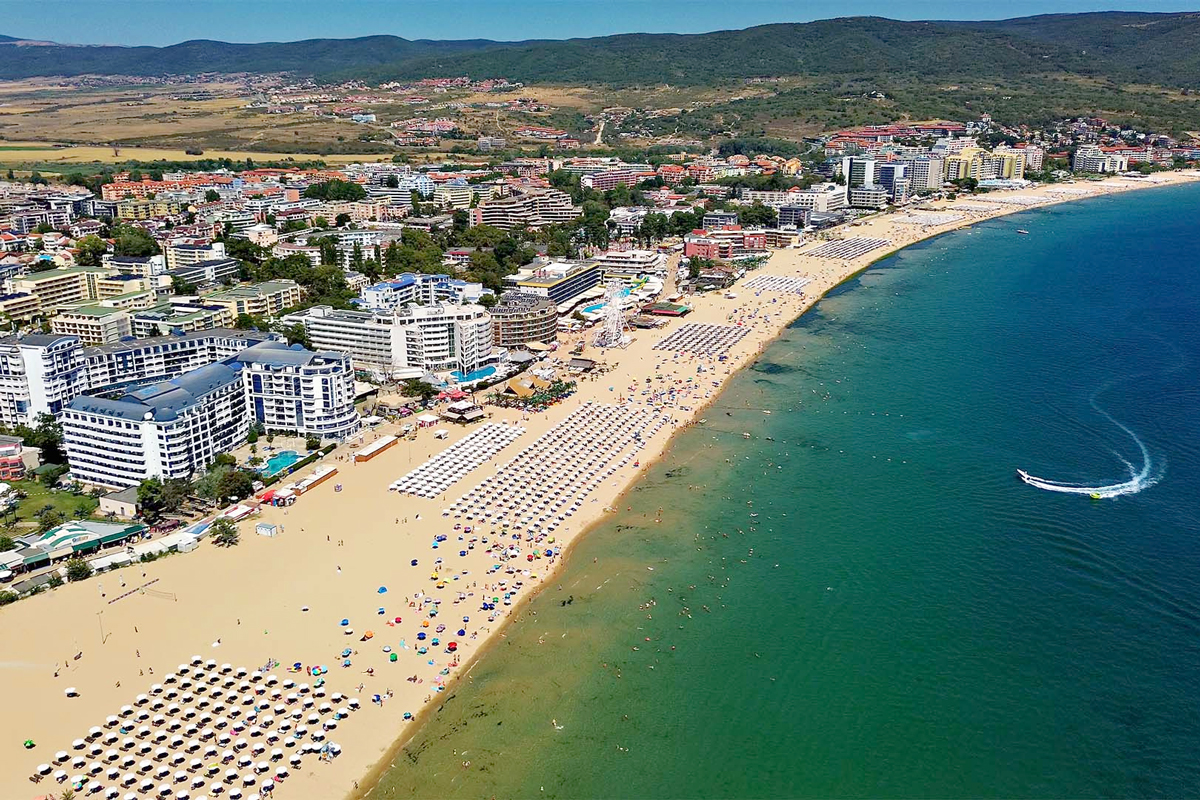
July is the height of summer and one of the main months of the beach season in Bulgaria. Warm weather settles over the Black Sea coast, the sea heats up, and resorts are operating at full summer capacity. It is a time for swimming, water activities and long evenings by the sea. Inland, however, July can bring intense heat, so your itinerary has a major effect on how comfortable the trip will be.
The average monthly air temperature on the coast is around +23 °C, and the sea is about +25 °C. Sofia’s average July temperature is +22 °C, while the average daily high under climate normals reaches about +29 °C. On hot days, temperatures in Plovdiv can also rise above +30 °C. The mountains are cooler, but the sun is still intense on exposed trails.
Beach holidays at the height of the season
July is a good choice if the main purpose of your trip is the sea, from the northern coast to the southern bays. The water is usually comfortable for swimming, and warm evenings are ideal for waterfront walks, outdoor dining and trips between seaside towns.
The peak season has a downside: popular beaches are busier, and demand for accommodation and transport is higher than in spring or autumn. At resorts with a lively nightlife, such as Sunny Beach, the evening atmosphere differs from that of quieter small towns and villages. When choosing where to stay, consider not only how close it is to the beach, but also noise levels, building density and the type of holiday you want.
Heat in Sofia and Plovdiv
In July, plan city visits around the daytime heat. In Plovdiv, where summer is often hotter than on the coast, it is more comfortable to explore the Old Town and archaeological sites in the morning or late afternoon. Take a break indoors or stick to shaded streets and parks in the middle of the day.
Sofia can also be hot, but the nearby Vitosha Mountains offer a chance to swap the city for a walk in cooler surroundings. Temperatures in the mountains depend on elevation, and conditions can change faster than in the capital. Even for an easy nature walk, take suitable footwear, water and sun protection.
Summer hikes and mountain trails
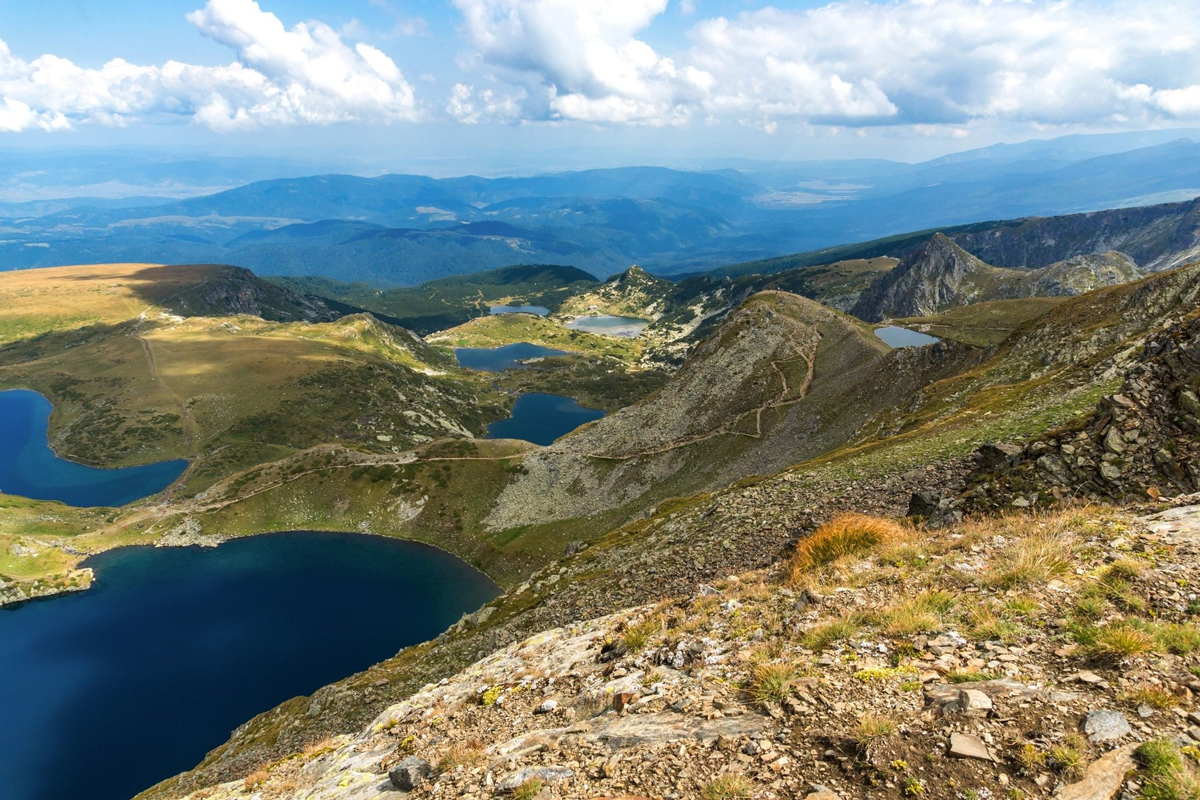
July is suitable for many summer hikes in the Rila, Pirin and Rhodope mountains. More high-altitude trails are generally accessible, although patches of snow and difficult sections may remain depending on the elevation and the year. Popular natural attractions include the Seven Rila Lakes.
Start mountain walks early to cover most of the route before the daytime heat and possible thunderstorms. Do not underestimate a trail’s elevation or length just because the city is hot. Conditions feel different in exposed areas, and shade and water are not available everywhere.
How to plan a July trip
July is best for travellers who want to spend their holiday swimming, relaxing on the beach and walking by the sea. If you plan to visit inland cities, schedule sightseeing for the morning and evening and leave the middle of the day for a break. For a varied itinerary, combine a few days on the coast with a trip to the mountains, where summer temperatures are usually lower.
Bulgaria Weather in August
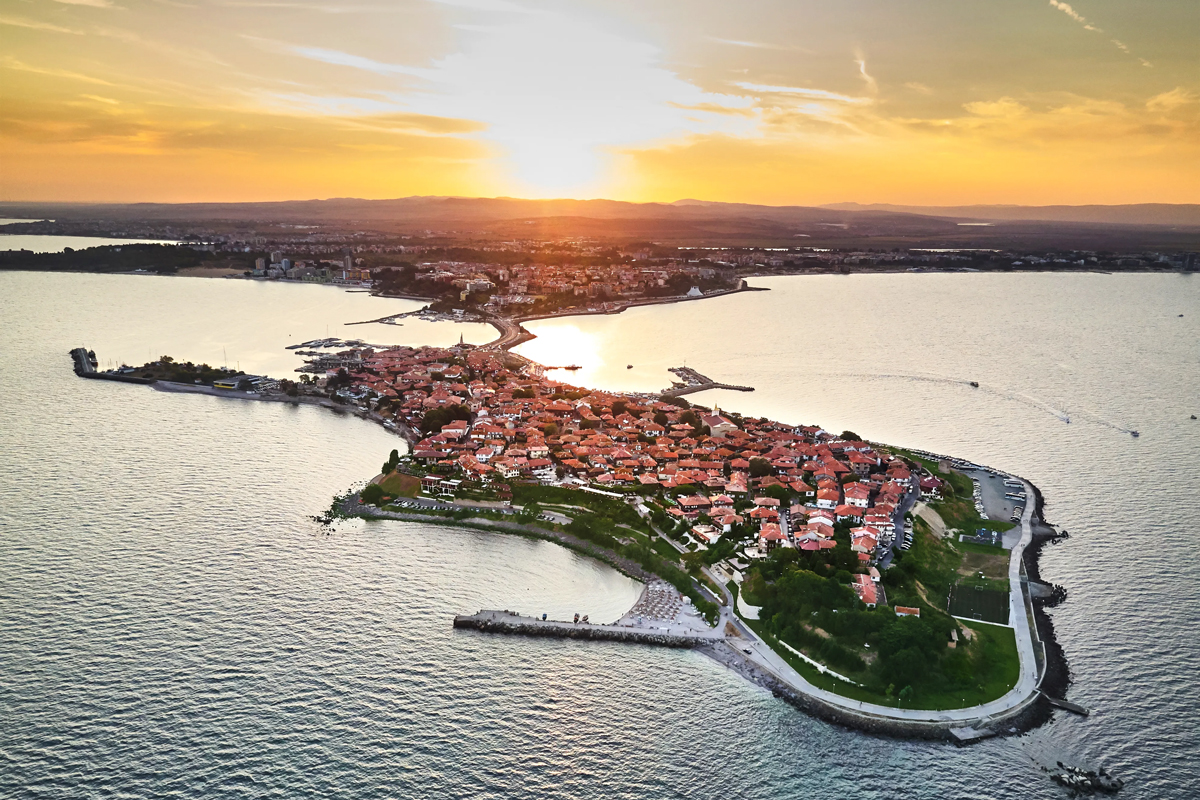
August continues Bulgaria’s main beach season. The sea remains very warm, days are long and sunny, and some coastal areas are less likely to have prolonged rain than at the beginning of summer. Inland, summer heat persists, making August particularly good for a beach holiday but requiring more careful planning for city walks and outdoor activities.
The average monthly air temperature on the Black Sea coast is around +22 °C, while the sea is about +24 °C. Sofia’s average August temperature is close to +21 °C, and the average daily high under climate normals reaches about +28 °C. Daytime heat is often more intense in Plovdiv, while mountain temperatures depend on elevation and time of day.
Why August is popular for seaside holidays
The main advantage of August is the warm sea. The water is comfortable for longer swims, and beach time is easy to combine with boat trips, water sports and drives along the coast. For families with children and anyone who dislikes cool water, August is often more comfortable than June.
It is also one of the busiest periods at popular resorts. Central beaches in Sunny Beach and Golden Sands can be crowded, and nightlife is livelier in the larger seaside towns. Travellers looking for a quieter atmosphere should consider smaller settlements or less busy stretches of coastline.
Where to go on hot days
The heat is especially noticeable in southern inland Bulgaria in August. Plan sightseeing for the morning and spend the middle of the day in the shade, in museums or travelling to a cooler location. In Sofia, you can combine a city itinerary with a trip to Vitosha if you want to spend part of the day outdoors.
The mountains remain a good option for a summer holiday. Many high-altitude routes are accessible in the Rila and Pirin mountains, while the Rhodopes offer walks combined with visits to gorges, caves and small mountain villages. Even in August, however, the weather can change quickly and thunderstorms are possible. For longer hikes, bring suitable footwear, water and an alternative route.
Nature, evening walks and outdoor activities
August is a good time to explore Bulgaria’s natural landscapes, although the spring blossom is long gone. On the coast, you can watch birds in the wetlands around Burgas; in the mountains, head for lakes and viewpoints. When choosing a route, consider how exposed it is: walks without shade require more water and energy in hot weather.
Evenings are more comfortable for walks through old towns and along the waterfront. Nessebar and Sozopol are good places to combine historic sights with dinner by the sea. If you explore old neighbourhoods during the day, comfortable shoes are especially useful on cobbled streets and uneven surfaces.
What to consider before travelling in August
Pack lightweight clothes, a hat, sun protection and walking shoes. If you plan to visit the mountains, bring an extra warm layer and a rain jacket, as conditions there differ from those on the coast. For city sightseeing, avoid the hottest hours where possible and allow time to rest.
August is a good choice if warm sea water and a full summer resort season are your priorities. If you mainly want to spend long days sightseeing in cities, plan your schedule in advance so that the heat does not get in the way.
Bulgaria Weather in September
September is one of the best months to visit Bulgaria if you want to combine the sea, sightseeing and time outdoors. The summer heat gradually eases, but the Black Sea coast can still be suitable for a beach holiday. City walks become more comfortable throughout the day, and the hiking season continues in the mountains.
On the coast, the average monthly air temperature is around +19 °C and the sea is about +22 °C. Sofia’s average September temperature is +17 °C, while Plovdiv averages around +19 °C. Warm and even hot spells are still possible inland, but evenings grow cooler. Mountain temperatures depend on elevation, and the weather can change faster than on the plains.
Can you swim in Bulgaria in September?
Yes. September is suitable for a beach holiday, especially in the first half of the month. The sea retains heat from the summer, so the water often remains comfortable for swimming even after daytime temperatures have eased. At resorts around Varna, Golden Sands, Burgas and Sozopol, you can combine the beach with walks through seaside towns.
Conditions become less predictable in the second half of September: cool, windy days can alternate with sunny weather. If swimming is the main reason for your trip, choose dates early in the month. If the sea is only one part of your itinerary, September is a good opportunity to add inland excursions to a beach break.
Why September is good for sightseeing
Long walks in Sofia and Plovdiv are easier than during the height of summer. You can explore historic neighbourhoods, ancient monuments, museums and monasteries without planning the whole day around the midday heat. The south of the country is also convenient for trips through valleys and small towns, where summer warmth often lingers.
September is also suitable for hiking in the Rila, Pirin and Rhodope mountains. Many trails still have favourable conditions, and summer snow no longer blocks most popular routes. Nights can be cold at higher elevations, however, and rain or wind can quickly change conditions. For longer hikes, bring a warm layer and start in the morning.
What to consider when planning your trip
September is convenient for travellers who want to see several sides of Bulgaria in one holiday. For example, spend a few days on the coast, continue to Plovdiv or Sofia, and finish with walks in the mountains. From the middle of the month, some seasonal businesses at resorts begin to reduce their opening hours.
Pack summer clothes, a light jacket for evenings and comfortable shoes for sightseeing. Mountain trips require an extra warm layer. If the sea is your main priority, choose the first half of September; if you are more interested in cities, monasteries and nature trails, the whole month remains an appealing time to travel.
Bulgaria Weather in October
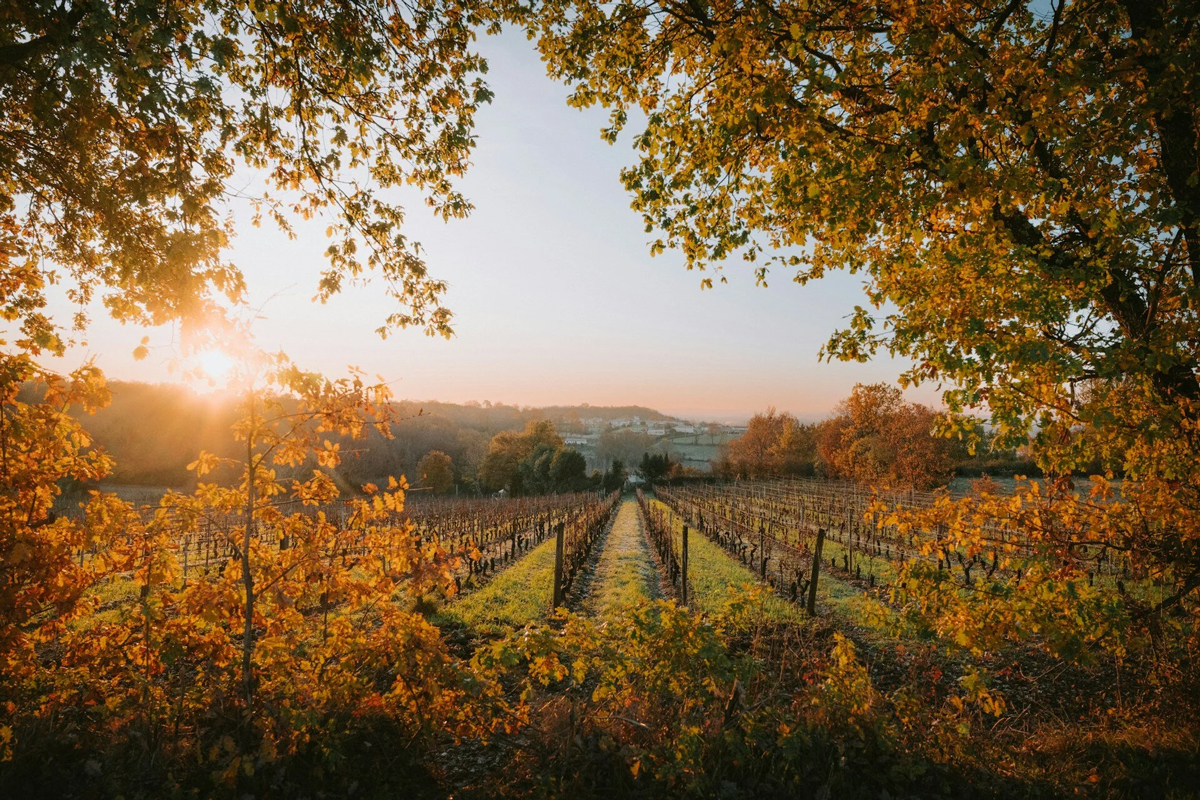
October brings proper autumn weather to Bulgaria. The beach season is coming to an end, temperatures fall, and the leaves in forests and city parks change colour. It is a good time for trips to historic sites, monasteries, wine regions and mountain valleys. The weather is less settled than in summer, with sunny days alternating with rain and cooler spells.
On the Black Sea coast, the average monthly air temperature is around +14 °C and the sea is about +16 °C. Sofia’s average October temperature is close to +12 °C, while Plovdiv averages around +13 °C. On a sunny day in the south, a light jacket may be enough for a walk, but mornings and evenings call for warmer clothing. It feels colder in the mountains, where the first snowfall is possible at higher elevations.
Where to go in autumn
October is a good time to explore Bulgaria’s history. In Sofia, visit museums and churches; in Plovdiv, walk through the Old Town and see the ancient theatre. Cooler weather makes long walks along cobbled streets and around archaeological sites more pleasant than in the summer heat.
For trips outside the cities, consider Bachkovo and Rila monasteries, mountain roads in the Rhodopes and small historic settlements. Autumn forests are especially beautiful where beech and oak trees are common. Trails can become slippery after rain and daylight hours are shorter, so allow extra time for hikes.
Is it worth visiting the seaside in October?
In October, the Black Sea coast is better for walks than for a traditional beach holiday. Water temperatures have fallen and the weather is less predictable. On sunny days, it is pleasant to stroll along the promenades, visit Nessebar and Sozopol, photograph the seascapes and try local food.
Tourist life gradually winds down at some resorts: many seasonal restaurants, attractions and hotels have already closed. October is a better choice for travellers who prefer a quieter atmosphere, walks and cultural sights.
Autumn colours and wine routes
October is a good time to explore Bulgaria’s wine regions. In the south, including the area around Melnik, you can visit vineyards and small towns, add wine tastings to your itinerary and sample local cuisine. Trips through valleys and mountain roads are also rewarding at this time of year, when autumn colours are especially vivid.
October calls for a more flexible plan than summer. Alternate outdoor walks with museums, monasteries and other places to visit on rainy days. Bring a waterproof jacket, closed-toe shoes and suitable clothing for cool weather.
Bulgaria Weather in November
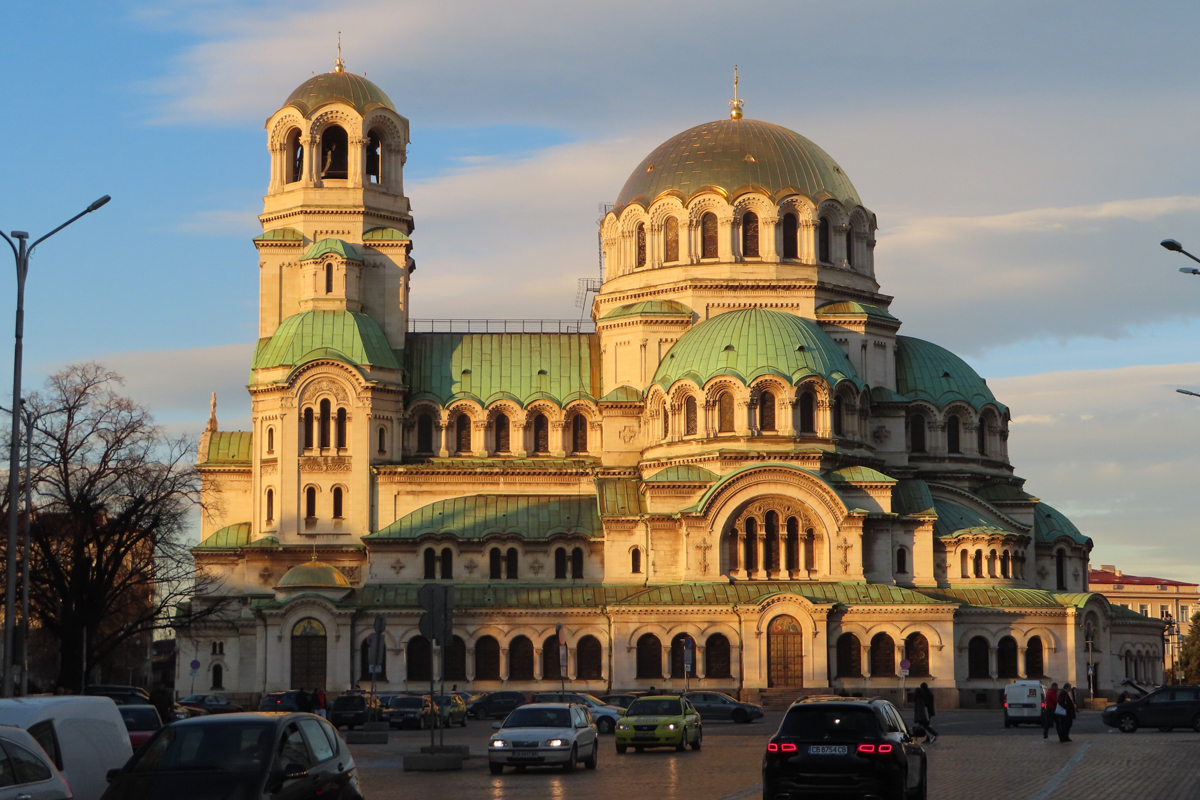
November is late autumn and the off-season in Bulgaria. Days grow shorter, temperatures fall, and overcast skies and rain are more common than in early autumn. It is not a month for a beach holiday, but it suits a quieter trip focused on cities, museums, historic sites and local food.
On the Black Sea coast, the average monthly air temperature is around +9 °C and the sea is about +11 °C. Sofia’s average November temperature is +6 °C, while Plovdiv averages around +8 °C. On sunny days, it can still be comfortable to walk in the south, but mornings and evenings are cold. Temperatures fall faster in the mountains, where snow and winter conditions are possible at higher elevations.
What to do in November
In November, focus on city attractions and cultural activities. In Sofia, visit museums, galleries, churches and historic buildings; in Plovdiv, combine a walk through the Old Town with cafés and indoor exhibitions. In cool weather, trips that do not require spending the whole day outdoors are particularly appealing.
You can also visit monasteries such as Rila or Bachkovo. In autumn, these trips let you enjoy the architecture and surrounding landscapes without the summer heat. November is less suitable for long mountain hikes: rain, wet leaves, mud and early dusk make trails more challenging.
Is it worth visiting the Black Sea coast?
November is not suitable for a conventional beach holiday: the sea is cold and the weather rarely encourages time on the sand. However, the coast can still appeal to people who enjoy waterfront walks, seascapes and a quieter atmosphere outside the high season.
In seaside towns, you can explore old neighbourhoods, visit museums and try local food. Some businesses in smaller resort villages close for winter, so for a November trip it is better to choose larger towns with year-round facilities, such as Varna or Burgas.
When does the winter season begin?
Winter is approaching in the mountains in November, but it is too early to count on a full ski season. Snow may fall at higher elevations, but reliable skiing conditions depend on the weather, slope conditions and lift operations. If you are planning a trip to Bansko, Borovets or Pamporovo, check which runs have actually opened rather than relying on the calendar.
For a November trip, bring a warm jacket, waterproof closed-toe shoes and clothing suitable for cool weather. If your itinerary covers several regions, allow for temperature differences between the coast, inland areas and the mountains. November is better for cultural trips and relaxed breaks than for beach holidays or high-altitude hikes.
Bulgaria Weather in December
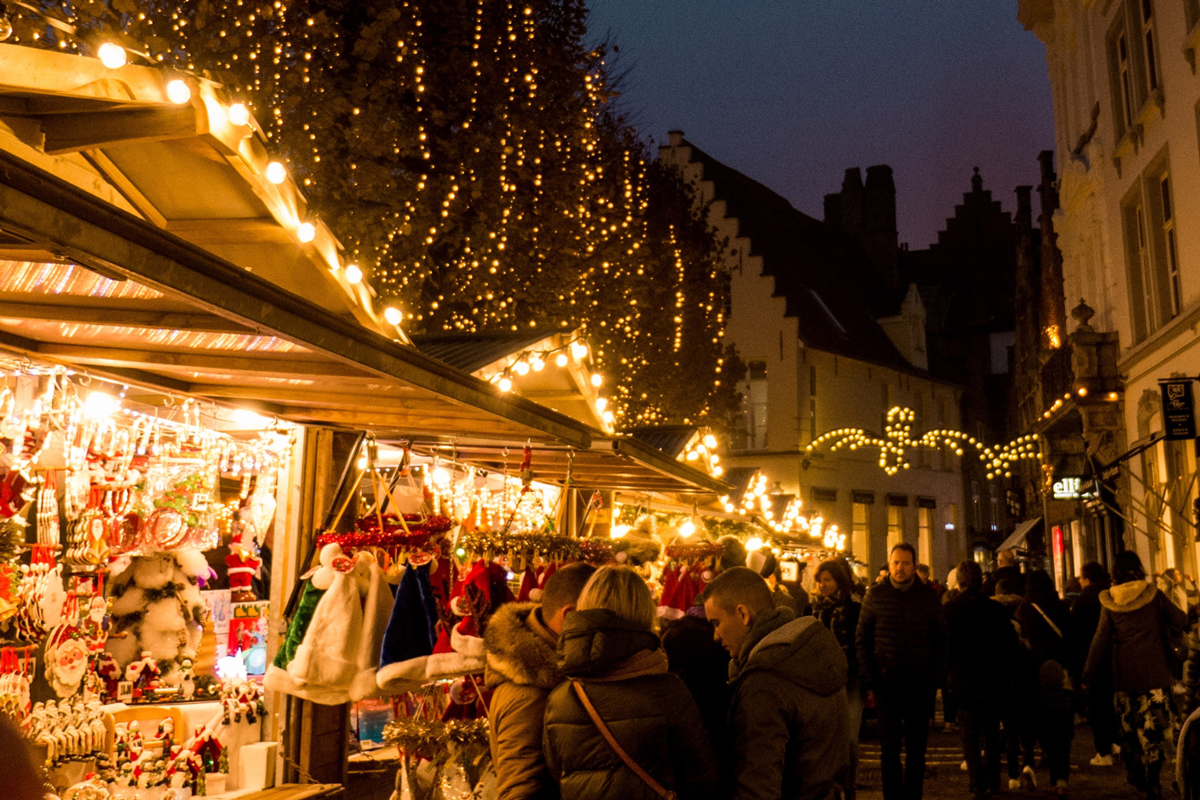
December marks the start of calendar winter in Bulgaria, and travel shifts from nature walks towards Christmas events, festive breaks and thermal spa stays. On the Black Sea coast, the average monthly air temperature is around +4 °C and the sea cools to about +6 °C. Sofia’s average temperature is close to +1 °C, with overnight frost possible. It is colder in the mountains, but a stable snow cover is not always in place at the beginning of the month. For that reason, do not plan a December trip solely around skiing: slope conditions depend on the weather, elevation and snowmaking facilities.
Christmas markets and New Year
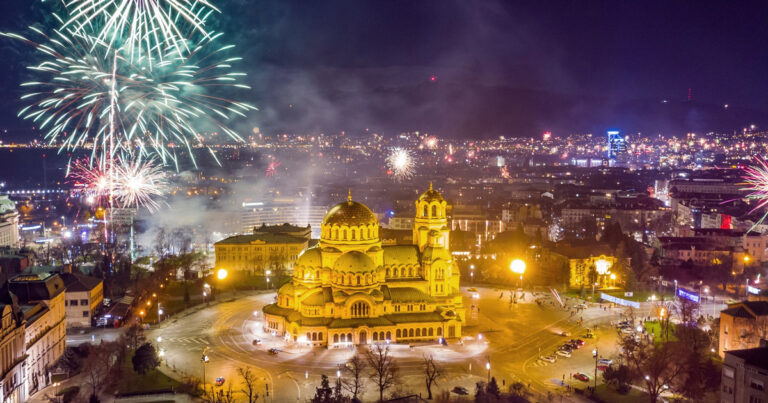
December is a good time to visit Sofia, where Christmas markets and festive events take place. Combine walks through the decorated city centre with museums and restaurants, then enjoy the build-up to New Year. Market schedules and dates change each year, so check them closer to your trip.
Thermal springs and spas instead of skiing
If there is not enough snow for a full ski holiday, mineral pools and spa complexes are a good alternative. Bulgaria has many thermal springs, and resort hotels offer mineral-water pools, saunas, massages and wellness programmes. For a winter break, consider Velingrad, Hisarya, Sapareva Banya or Sandanski.
When choosing a hotel, check whether pool access is included in the room rate, whether the pool is open in winter and whether it actually uses mineral water. If you want to spend New Year at a spa hotel, book well in advance: festive packages may include dinners and entertainment, but each property sets its own terms.
Bulgaria’s Climate by Region
Bulgaria’s climate varies considerably. The Black Sea, the terrain, elevation and air masses arriving from different parts of Europe and the Mediterranean all influence local conditions. The north has stronger continental characteristics, Mediterranean influences are more noticeable in the south, and the mountains have their own high-altitude climate. As a result, the national average temperature does not always tell you what the weather will be like in a particular place.
When choosing a destination, consider elevation changes as well as the distance between towns. Even during the warm season, conditions in a valley can be very different from those on a mountain trail.
Weather on the Bulgarian Black Sea Coast
The coast has milder winters and less pronounced summer temperature swings than some inland areas. In summer, visitors come for the beaches, swimming, waterfront walks and seaside towns. At the height of the season, warm weather is often tempered by sea breezes, although temperatures can still be high on hot days.
Spring on the coast does not necessarily mean the swimming season has begun: the air may already be comfortable for walks while the water remains cool. In autumn, the sea gradually cools, so September beach conditions depend on the weather and how comfortable you are with cooler water. Outside summer, the coast is well suited to walks, town visits and nature trips rather than swimming.
Sofia and Western Bulgaria Weather
Sofia lies in a basin at the foot of the Vitosha Mountains. Seasonal differences are more pronounced here than on the coast: winters can be cold, while summer can bring hot days. Conditions in the capital do not always match those in nearby mountain areas.
Spring and autumn are good for city walks, museums and trips to nearby natural attractions. If you plan to head into the mountains, consider the route’s elevation and remember that temperatures there can be much lower than in the city centre.
Weather in Plovdiv and Southern Bulgaria
Plovdiv lies in southern Bulgaria, in the Upper Thracian Plain. Summer is often hotter here than on the coast, so mornings and evenings are best for exploring the Old Town and archaeological sites. During the middle of the day, plan breaks in the shade or visit air-conditioned indoor attractions.
Spring and autumn are good seasons to explore the city and its surroundings. Mediterranean influences are also noticeable in southern Bulgaria, especially in the valleys of the southwest. Conditions are not the same across the entire south, however: terrain and elevation affect local weather.
Weather in the Bulgarian Mountains
The mountains follow their own seasonal rhythm. Winter brings conditions for skiing, while summer attracts visitors to hiking trails, lakes, peaks and national parks. Even in the warmer months, it can be cold at higher elevations and the weather can change quickly.
For summer hikes, look beyond the temperature in the nearest town: check the forecast for the specific mountain range, the route’s elevation, daylight hours and trail conditions. High-altitude routes in the Rila and Pirin mountains require more preparation than walks in the foothills. In winter, check snow conditions at the ski resort rather than relying only on the month.
When Does the Beach Season Start in Bulgaria?
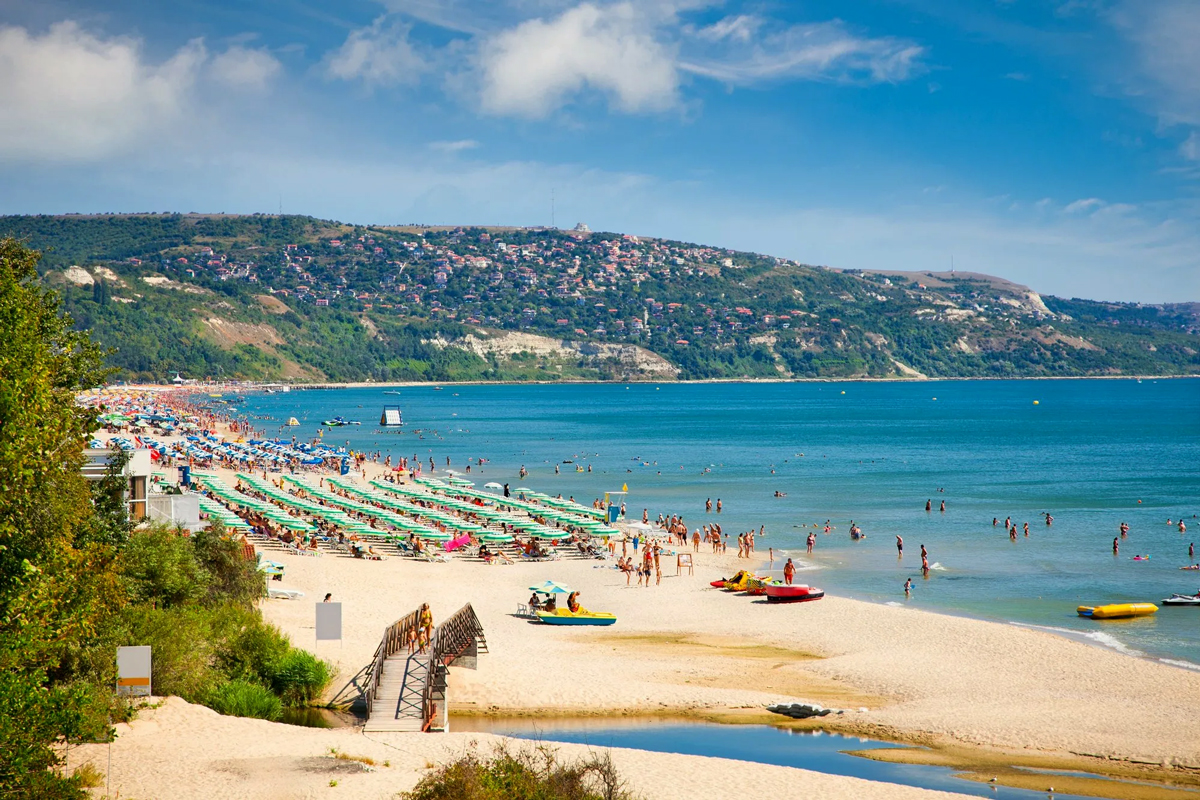
The beach season on the Black Sea depends primarily on water temperature. In late spring, the coast can already be pleasant for walks and sunbathing on sunny days, but the sea usually warms up more slowly than the land. May is therefore better for seaside strolls and outdoor relaxation than for travellers who expect to swim for long periods every day.
In summer, the water becomes more comfortable for swimming, and July and the first half of August are generally the main months for a beach holiday. Suitable conditions often continue along the coast in September, although the length of the comfortable swimming season depends on the year. Wind, cloud cover and waves also affect the beach experience.
If swimming is the main reason for your trip to Bulgaria, consider three things when choosing dates: air temperature, sea temperature and the likelihood of windy or rainy weather. If you are more interested in walks, seaside towns and coastal excursions, a trip can still be enjoyable outside the peak summer period.
When to Visit Bulgaria for Mountains and Skiing
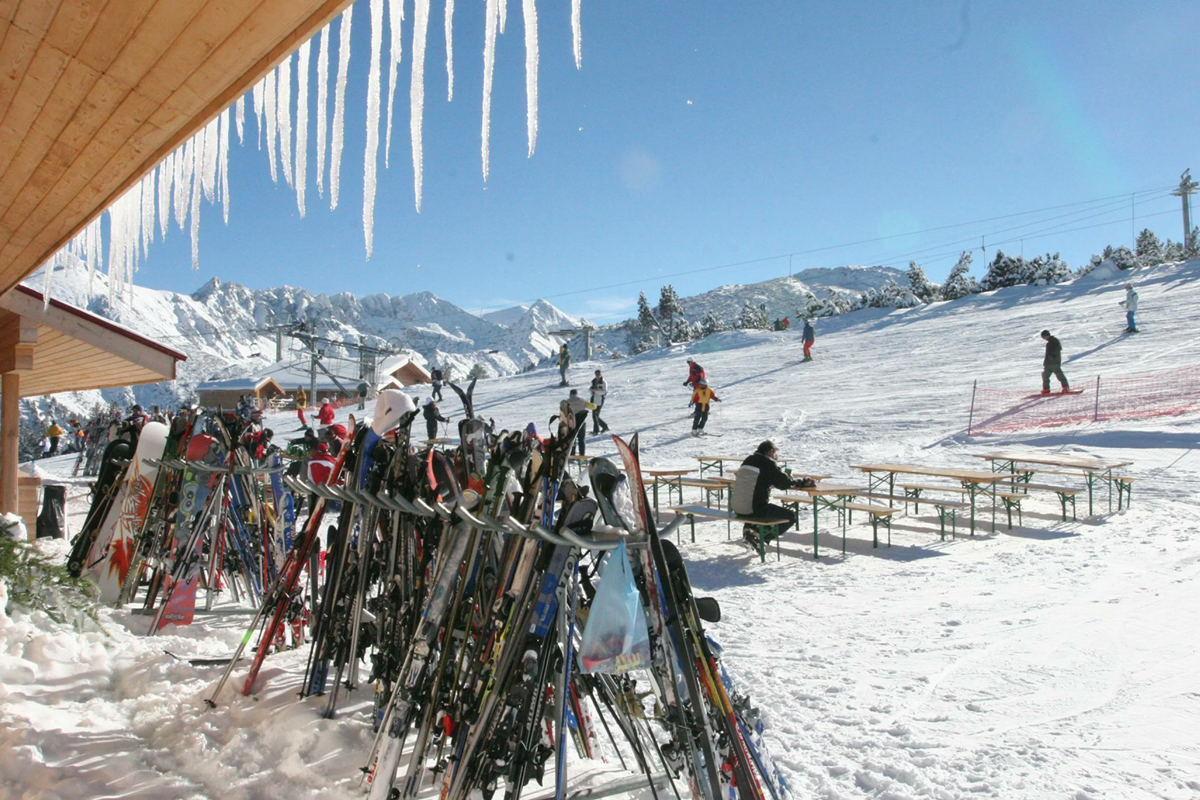
Winter holidays in Bulgaria are mainly centred on mountain resorts, including Bansko, Borovets and Pamporovo. The ski season usually falls in the winter months, but its actual length varies with slope elevation, snowfall and weather conditions. At the beginning and end of the season, conditions can differ between runs at the same resort.
Choose ski dates based on the latest information about pistes and lifts. Average temperatures alone are not enough: precipitation, snow cover and overnight frost also matter. During holiday periods, expect higher demand for accommodation and resort services.
In summer, the mountains are ideal for hiking, visiting natural attractions and escaping the heat of the lowlands. The Rila Mountains are home to the famous Seven Rila Lakes, while Pirin draws visitors with high-mountain scenery and glacial lakes. Conditions on popular routes can vary considerably with elevation and season, so match your equipment and the difficulty of your walk to the specific trail.
Rose Blossom and Festivals in Bulgaria
Spring and early summer are interesting not only for their landscapes but also for local celebrations. One of the best-known is the Rose Festival in Kazanlak, a town in the Valley of Roses. The programme celebrates the tradition of growing oil-bearing roses and includes cultural events, rose-picking rituals and festive parades.
The festival usually reaches its peak in early June, when roses are in bloom in the region. However, flowering dates depend on the weather, and the festival programme changes from year to year. Event information is published on the official Kazanlak Municipality website. General information about the tradition is also available from the Bulgarian Ministry of Tourism.
Average Monthly Temperatures in Bulgaria by Region
Month |
Black Sea coast, air |
Black Sea coast, sea |
Sofia, air |
Plovdiv, air |
|---|---|---|---|---|
January |
+1 °C |
+4 °C |
0 °C |
+1 °C |
February |
+3 °C |
+6 °C |
+1 °C |
+4 °C |
March |
+5 °C |
+7 °C |
+6 °C |
+8 °C |
April |
+10 °C |
+9 °C |
+11 °C |
+13 °C |
May |
+16 °C |
+15 °C |
+15 °C |
+18 °C |
June |
+20 °C |
+22 °C |
+19 °C |
+22 °C |
July |
+23 °C |
+25 °C |
+22 °C |
+24 °C |
August |
+22 °C |
+24 °C |
+21 °C |
+24 °C |
September |
+19 °C |
+22 °C |
+17 °C |
+19 °C |
October |
+14 °C |
+16 °C |
+12 °C |
+13 °C |
November |
+9 °C |
+11 °C |
+6 °C |
+8 °C |
December |
+4 °C |
+6 °C |
+1 °C |
+3 °C |
Frequently Asked Questions
How to Choose the Best Time to Visit Bulgaria
Plan around the main activity you are travelling for. For swimming, sea temperatures and summer weather matter; for sightseeing, look for comfortable temperatures for long walks; for hiking, check conditions on the specific trails; and for skiing, focus on snow conditions at the resort.
Compare the months in the calendar above, then choose a region and check whether the conditions suit your plans. This approach will help you choose when to visit Bulgaria without relying on expectations that may not match the actual weather.