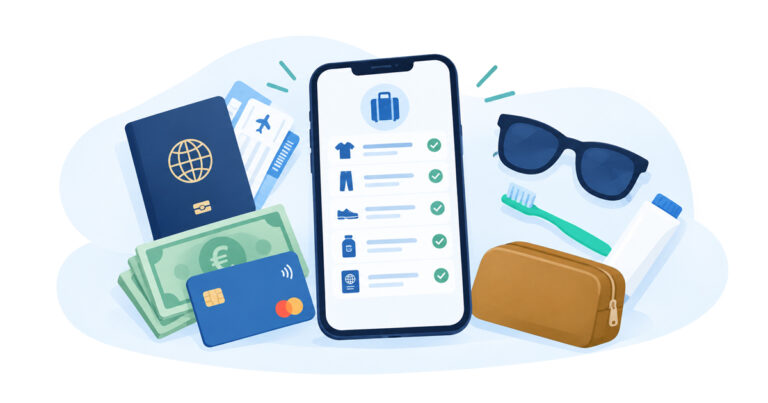
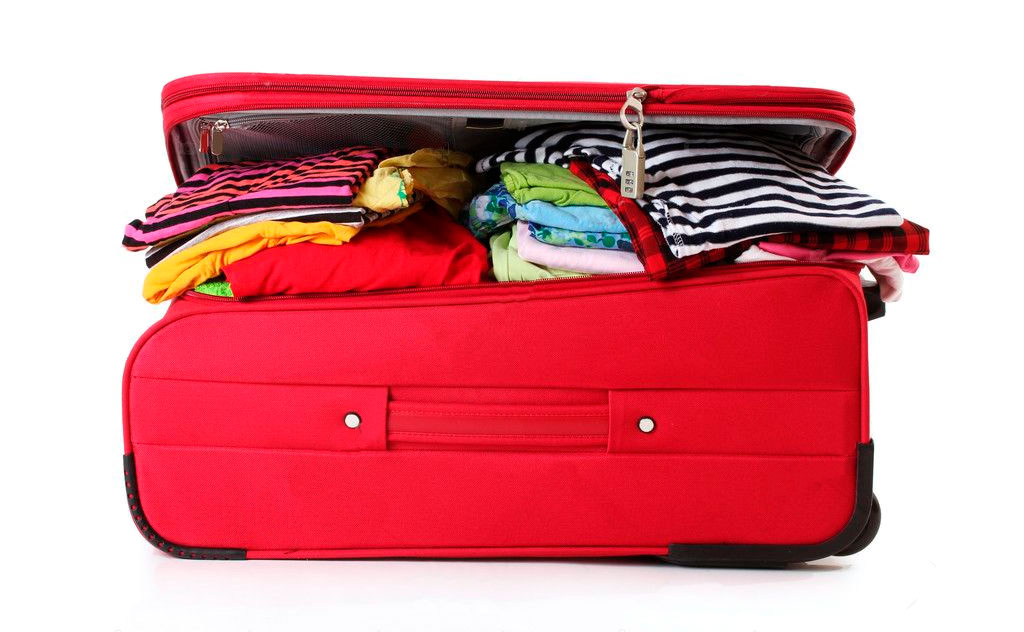
A plane ticket with checked baggage included is not always the best choice. Sometimes it is cheaper to travel with hand luggage only, while in other cases you really do need an extra piece of checked baggage. It all depends on the fare, the airline and what you are taking with you.
It is important to distinguish between two things: bringing goods into Bulgaria and carrying items on board an aircraft are two different matters. Customs deals with the first, while airport security is responsible for the second.
Let’s go through everything step by step.
What Can You Bring into Bulgaria
It matters where you are flying from: another EU country or a country outside the European Union. The rules are quite different in these two cases.
Flying from another EU country
There is no customs border between EU countries. Bulgaria is part of the EU single market, so goods for personal use can generally be brought in freely, without customs declarations or routine customs checks.
The same applies to food, including meat and dairy products. The exception is temporary restrictions introduced during outbreaks of animal diseases.
Alcohol and tobacco are a separate matter. For these products, EU countries use indicative levels for personal consumption:
- up to 800 cigarettes;
- up to 10 litres of spirits;
- up to 90 litres of wine;
- up to 110 litres of beer.
Going over these amounts may prompt the tax authorities to ask whether the goods are actually intended for sale. This is uncommon and does not involve routine customs checks at the border.
Cash: on a regular flight within the EU, you do not need to submit a declaration in advance. However, when crossing Bulgaria’s border, customs authorities may require a declaration for amounts of €10,000 or more.
Flying from a country outside the EU
Arriving in Bulgaria from outside the European Union is different because customs controls apply.
Personal items that you were already using before the trip, such as a laptop, phone, camera and similar belongings, do not need to be declared: they are your own property. There is a €430 allowance that applies only to purchases and gifts you are bringing with you. If their value exceeds this threshold, the goods must be declared and, depending on the circumstances, customs duties or other charges may apply.
Alcohol and tobacco are not included in this allowance. They have separate quantity limits rather than a value limit. When flying in from outside the EU, you can bring:
- 4 litres of wine;
- 16 litres of beer;
- 1 litre of spirits over 22% ABV or 2 litres of alcohol up to 22% ABV, including certain types of wine;
- 200 cigarettes or 250 g of tobacco.
When entering with €10,000 or more in cash (or the equivalent in another currency), you must declare it. The same applies when leaving the EU.
What You Cannot Bring into Bulgaria
Some categories of goods cannot be brought into Bulgaria at all, while others require a special permit:
- narcotic substances;
- certain types of weapons and ammunition;
- explosives and other dangerous substances;
- certain medicines containing controlled substances;
- items made from protected species of animals and plants;
- certain cultural and historical artefacts.
Plants and plant products from countries outside the EU require special attention: many of them need a phytosanitary certificate.
For a dog or cat, a microchip and a rabies vaccination are required, and at least 21 days must have passed since the vaccination. You will also need a pet passport or veterinary certificate, depending on the country you are entering from. For travel from outside the EU, preparation often takes longer, so check the requirements well in advance, ideally several months before the trip.
What Can You Take Out of Bulgaria
When leaving Bulgaria, much depends on your destination: another EU country or somewhere outside the EU.
Personal belongings and purchases can generally be taken out without a special permit, apart from certain categories of goods. When leaving the EU with €10,000 or more in cash, you must declare it.
Cultural artefacts, works of art and antiques require special attention: some of them need an export permit from Bulgaria. Separate rules apply to products made from protected species of animals and plants.
If you are flying to a country outside the EU, check its own requirements in advance: these determine how much alcohol, tobacco and other goods you can bring in without duties or special permits.
So before travelling, check not only the Bulgarian customs rules but also the requirements of your destination country.

What Can You Take on a Plane
From this point on, we are talking about aviation security rather than customs. An item that is allowed into Bulgaria may still be refused at the security checkpoint if you are carrying it in your hand luggage.
Sharp objects such as knives, blades, some scissors and even nail files are generally not allowed in the cabin. Some of them may be carried only in checked baggage, and even that is not always permitted.
Corkscrews and certain tools may also be stopped at the security checkpoint. If you are unsure about a particular item, check the airport and airline requirements in advance.
There is a separate rule for liquids: each container must hold no more than 100 ml, and all containers must fit into a single transparent bag with a capacity of up to one litre. This applies not only to drinks but also to shampoo, toothpaste, creams, gels, perfumes and aerosols.
Medicines, baby food and milk needed during the trip are exempt from this limit and can be carried in the amount required for the journey.
Duty-free liquids are allowed in hand luggage if the package is sealed in a special security bag together with the receipt.
Hairdryers, electric shavers, laptops, phones and other ordinary electronic devices can generally be carried in hand luggage without restrictions. Some devices are subject to additional requirements, so check with your airline if necessary.
Hand Luggage or Checked Baggage
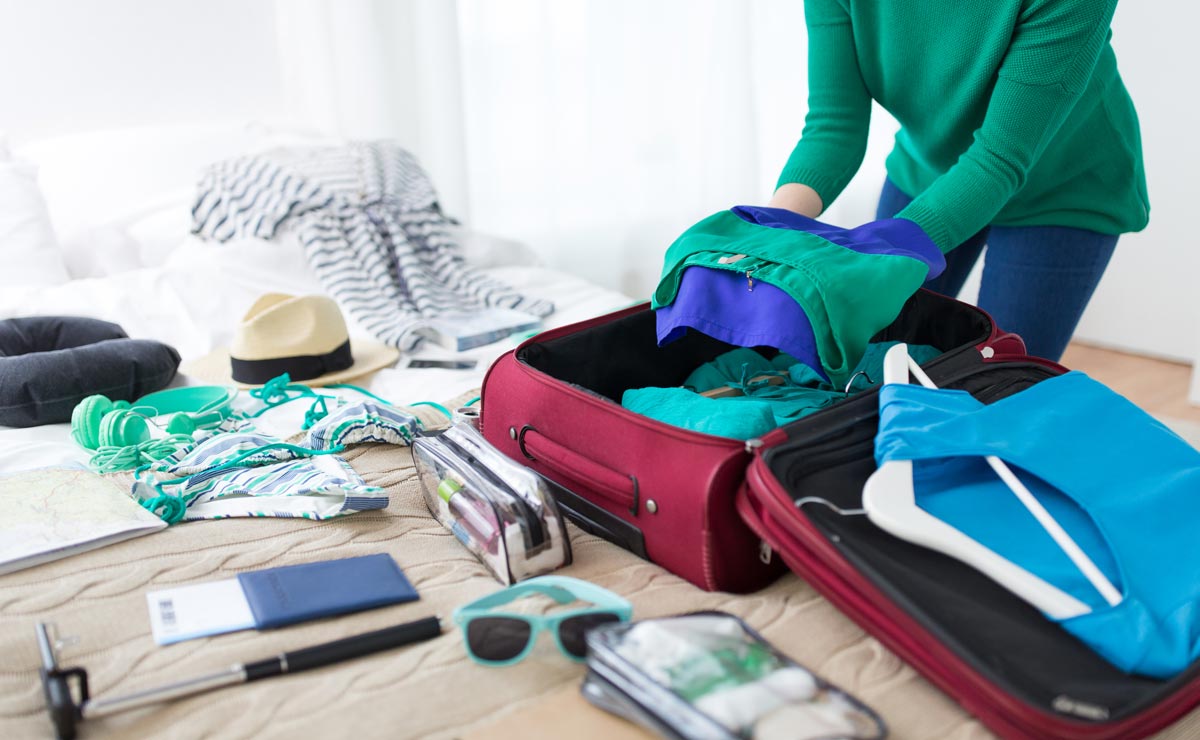
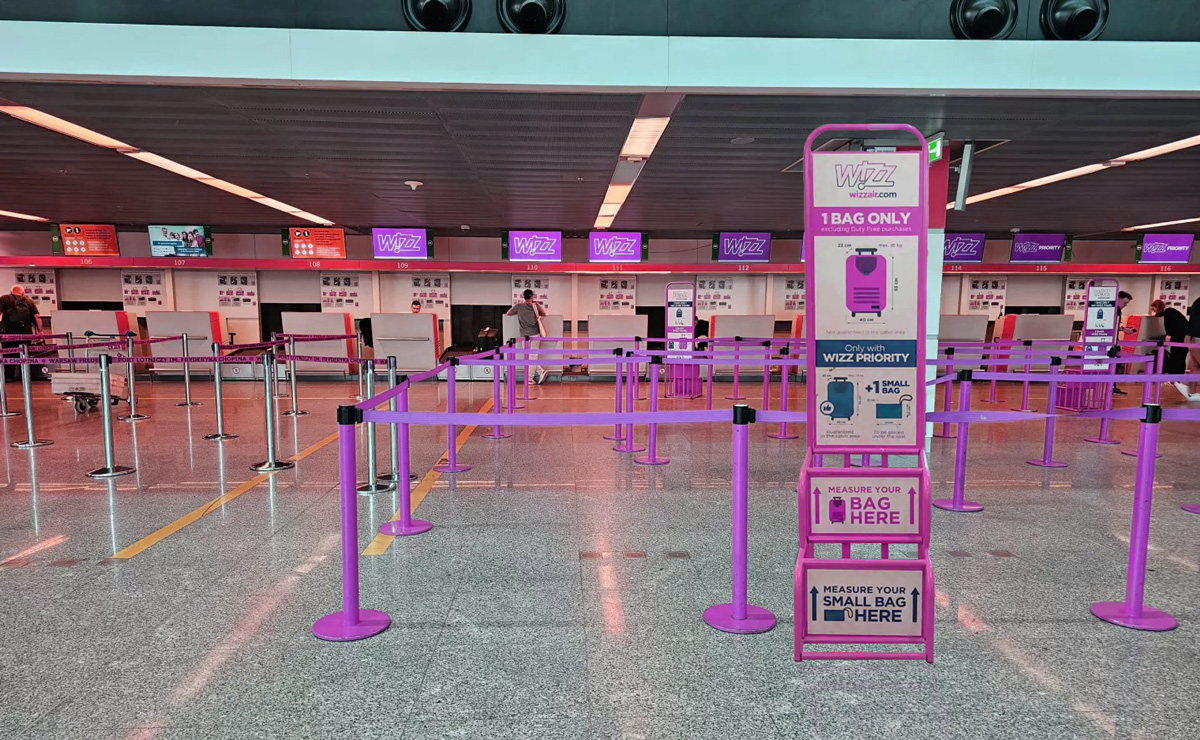
The size and weight of hand luggage depend on the airline and fare, as there is no single standard: one carrier may allow 5 kg, while another allows 10–12 kg.
Checked baggage works much the same way: the price depends on the route, fare and weight of the bag. There are no universal figures, and even first and business class do not always include two pieces of baggage automatically. A common maximum weight for one piece is 32 kg, but this is not a universal rule either.
So when comparing tickets, look not only at the flight price but also at the total cost with baggage. If you are travelling light, hand luggage may be enough. If you have a lot of clothes, equipment or shopping, it may be more convenient to add a checked bag.
The main rule: before buying a plane ticket, check the conditions of your fare: what is included in the price, the permitted weight and dimensions for hand luggage, and how much it costs to add checked baggage.